Drama · Comedy · Romance
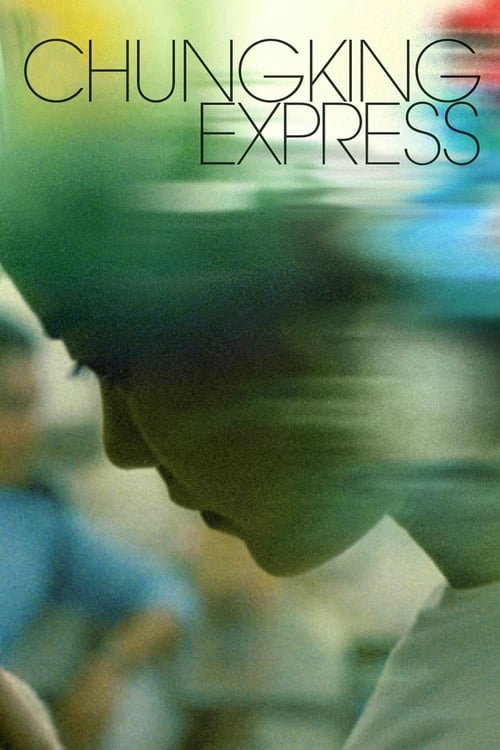
Chungking Express
Hong Kong (重慶森林)
1994 · Directed by Wong Kar-Wai · 103 min


Drama · Comedy · Romance
Hong Kong (重慶森林)
1994 · Directed by Wong Kar-Wai · 103 min









Meaning, unpacked
Central idea
The film can be read as a study of how lonely people reach for connection in a city where everything, even love, has an expiry date. Chance meetings, rituals and small gestures matter more than declarations.
What it means
Chungking Express gives you two heartbroken policemen, two short stories and one city that never stops moving. Its central idea is that lonely people reach for connection in a place where everything, even love, has an expiry date. Nobody makes a grand speech. They run, eat, clean and play the same songs again and again. Routine becomes a way of managing heartbreak.
The pineapple tins are a silly ritual that turns into the film's central metaphor: heartbreak counted in days and dates. The humour never cancels the sadness. Characters pass within inches of each other without noticing, so contact is constant while intimacy is almost nowhere. Many viewers also read the borrowed names, disguises and temporary jobs as the uncertain mood of Hong Kong before the 1997 handover. What lasts is the thought that love may simply be a matter of being ready when someone passes close by.
Why it mattered
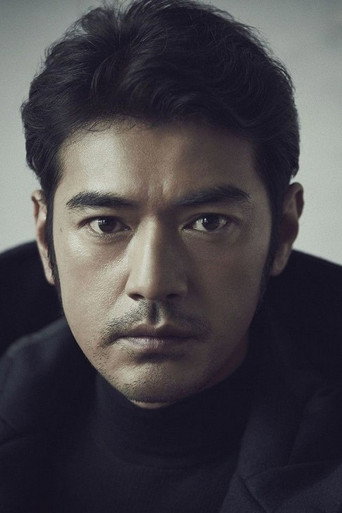
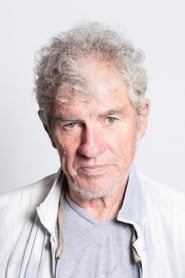
Wong Kar-Wai shot it in about two months, while a large and troubled period film, Ashes of Time, was in post-production. A small crew and a very loose script, with scenes built during production, gave it freshness. Handheld camerawork by Christopher Doyle, with a contribution from Andrew Lau, and step-printing that blurs a moving figure while the rest of the frame stays sharp, made time feel both fast and suspended.
It also showed that a film can be built from mood, music and chance encounters rather than a driving plot. Desire is shown through setting and sound, not dialogue. The first story is nocturnal noir, the second daytime comedy, moving from isolation toward openness. It helped shift international attention from Hong Kong action films to its more personal auteurs.
Before anyone tells you what to think: what did you make of it?
Log in to rate it and leave commentsIt takes one click with Google or an email link. You come straight back here.
Rate it, keep your notes, and find the next film.
Free, no ads. Your journal, your lists, a Cine Guide that remembers you.
Create your free spaceIt premiered in Hong Kong in 1994 to strong notices and won Best Film, Best Director and Best Editing at the Hong Kong Film Awards. Audiences abroad found it after Quentin Tarantino's company, Rolling Thunder, released it in the United States in 1996. Its mix of handheld camerawork, slow-motion blur and pop soundtrack influenced filmmakers in Asia and the West.
Today it is one of the most loved films of the 1990s and a gateway to Wong's work. Dreams and California Dreamin' are tied to it for good, and fans still visit Chungking Mansions and the Central–Mid-Levels escalator. If you want more, try Fallen Angels, which shares its visual spirit, or In the Mood for Love, which many see as its more restrained counterpart.
What happens
A year on, Faye returns as a flight attendant and finds Cop 663 now owns the snack bar. He asks where she wants to go and writes her a boarding pass. The film cuts there, so you never learn whether she takes it.
The last image
Faye sits at the counter of the snack bar, now his, with the hand-written boarding pass in front of her, and the film cuts away before we see whether she accepts it.
Two readings
What it says
After a film of near-misses, the two finally meet when both are ready. Wong leaves the future open because love here is a matter of timing, not certainty, and that open door is the point. Note: the film ends with them together at the snack bar, so no more needs adding.
Or follow an idea from this film


Continue the director
In the Mood for Love (2000)
Wong's most celebrated film, a slower and more controlled treatment of the same themes of time, longing and missed chances.
Continue the director
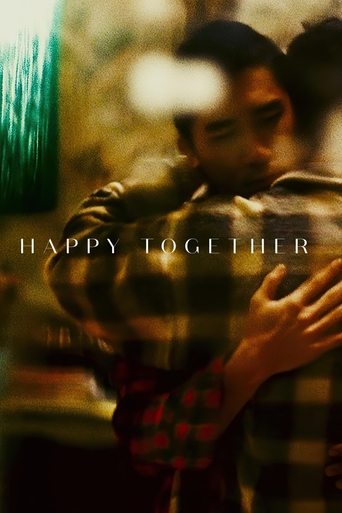
Happy Together (1997)
Wong's earlier study of a turbulent relationship, set in Buenos Aires, with the same restless camera and mood-driven storytelling.
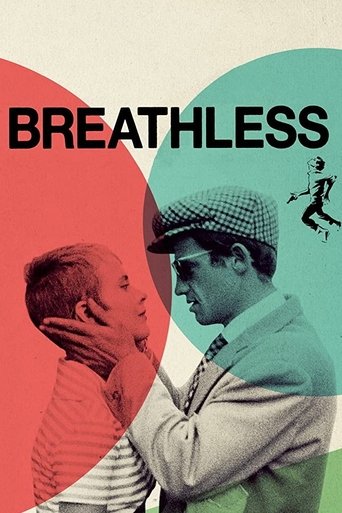
See what influenced it
Breathless (1960)
See the New Wave spirit of spontaneity and street shooting that fed into Wong's style.
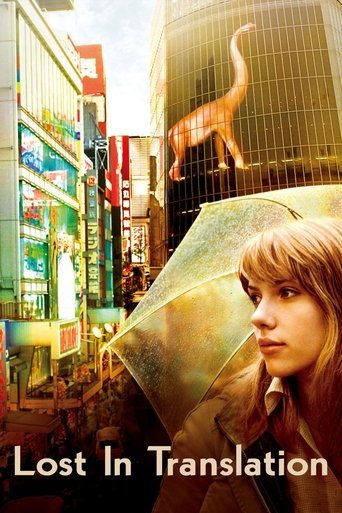
See its influence
Lost in Translation (2003)
A later film about urban loneliness and fleeting connection, with a similar dreamlike mood.
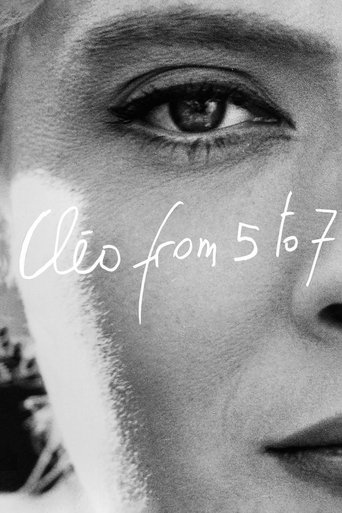
Compare another approach
Cléo from 5 to 7 (1962)
Another film that follows a woman through a city in real time, using streets and chance encounters to explore feeling.