Crime · Mystery · Thriller
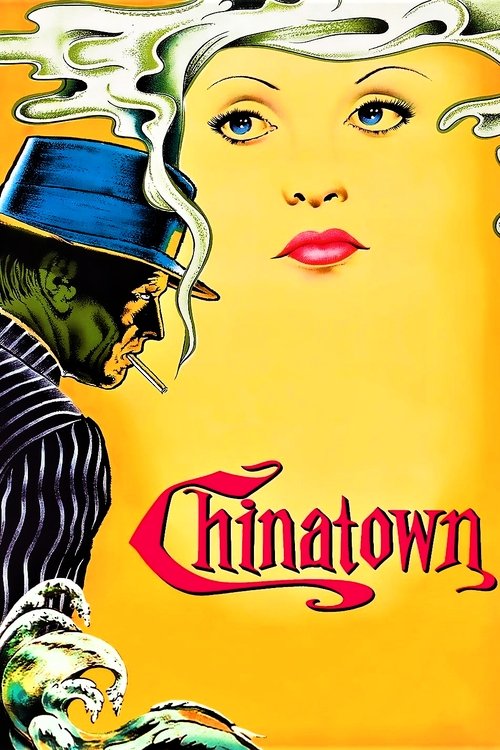
Chinatown
American
1974 · Directed by Roman Polanski · 130 min


Crime · Mystery · Thriller
American
1974 · Directed by Roman Polanski · 130 min







Meaning, unpacked
Central idea
The film can be read as a story about the limits of knowledge and the impunity of power. A detective who thinks he can see through everyone learns that understanding a corrupt system does not give him the means to defeat it.
What it means
Chinatown is about a detective who thinks he can see through everyone. Jake Gittes takes a routine job, follows a thread, and finds a conspiracy over water and land tangled up with a family's darkest secret. By the end he understands the whole corrupt system, and he still has no power to defeat it. Watching is not wisdom, and understanding is not the same as winning.
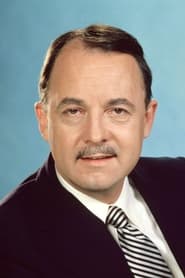
The film's irony starts in the first meeting, with the false Mrs. Mulwray. It looks like an ordinary, slightly comic job, but Jake acts on a premise he never checks, and it is a lie. Power is the other big theme: wealth and influence shape the city, and the law bends around them. At Noah Cross's house, John Huston is calm, friendly and genial. He needs no disguise and fears no one. Power here is exercised politely. Even the name is a symbol. Chinatown is hardly seen, but it stands for a place where Jake once failed to understand what he was seeing, and where he fails again.
Why it mattered
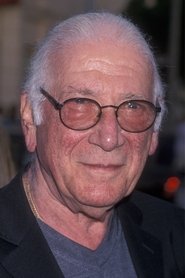
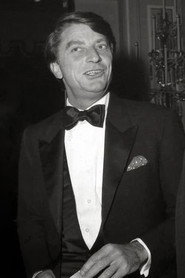
In 1974, Chinatown showed that a classic detective story could carry the bleak mood of its time. It is a defining film of the New Hollywood period, made when post-Vietnam, post-Watergate America had little faith in its institutions. The key choice was the ending. Robert Towne's draft let Evelyn and her daughter escape, but Polanski insisted on the tragic ending, arguing it matched the story's moral logic. Towne has said he disagreed.
The craft helped it land. Towne's script feeds clues steadily, and each revelation changes what earlier scenes meant. Polanski keeps the camera close to Jake, so you learn things when he does. John Alonzo's warm, hazy photography makes the sun-baked city look lovely, which makes its rot more unsettling. Jerry Goldsmith's mournful trumpet and piano suggest loss rather than suspense. The film was also a hit: critics praised it and audiences turned out, though some found the ending unusually harsh.
Before anyone tells you what to think: what did you make of it?
Log in to rate it and leave commentsIt takes one click with Google or an email link. You come straight back here.
Rate it, keep your notes, and find the next film.
Free, no ads. Your journal, your lists, a Cine Guide that remembers you.
Create your free spaceChinatown became the template for neo-noir, and screenwriting courses still treat Towne's script as a model. It earned eleven Academy Award nominations, including Best Picture, and won one, for original screenplay. It lost Best Picture to The Godfather Part II. A sequel, The Two Jakes, followed in 1990, directed by Nicholson. If you want something in the same vein, try L.A. Confidential.
Its reputation has only grown. It is now seen as a nearly perfect screenplay and a high point of 1970s American film, and the once-shocking ending is regarded as inseparable from its meaning. The closing line, "Forget it, Jake, it's Chinatown," became shorthand for failing to fix a rotten system. Many viewers now watch it knowing about Polanski's 1977 conviction and his later life as a fugitive, and that shapes how they see it.
What happens
Jake leads Evelyn and Katherine to Chinatown to escape Noah Cross, but police are waiting. Evelyn is shot dead, and Cross takes Katherine, his own daughter and granddaughter. The man behind the crimes wins, and Jake can only watch.
The last line
"Forget it, Jake, it's Chinatown."
What it says
Jake understands everything and still cannot stop it. The film argues that knowing a corrupt system is not the same as beating it, and that power protects itself. Polanski chose this bleak ending because the story's moral logic demanded it.
Or follow an idea from this film

See what influenced it
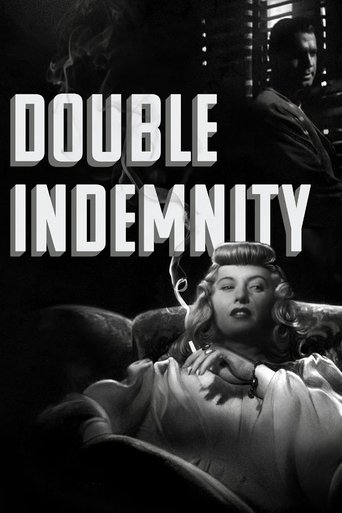
Double Indemnity (1944)
A classic noir about a doomed scheme and a woman who is not what she seems. It shows the tradition Chinatown revises.
Continue the director
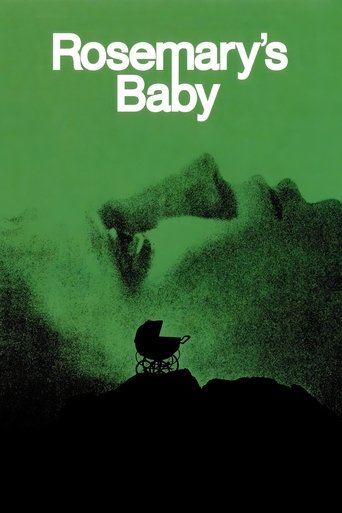
Rosemary's Baby (1968)
Polanski's earlier American film uses the same patient build-up of dread, with a protagonist who gradually realises that the people around her cannot be trusted.
Explore the era or movement
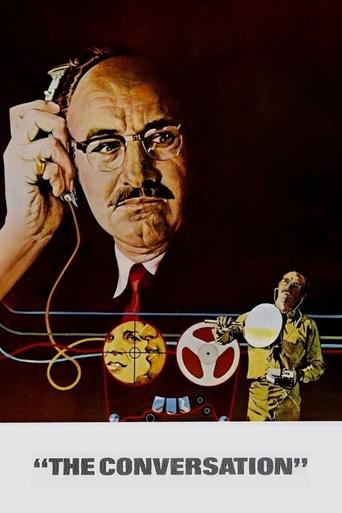
The Conversation (1974)
Released the same year, it is another study of a professional watcher who misreads what he sees, set in the paranoid mood of 1970s America.
See its influence
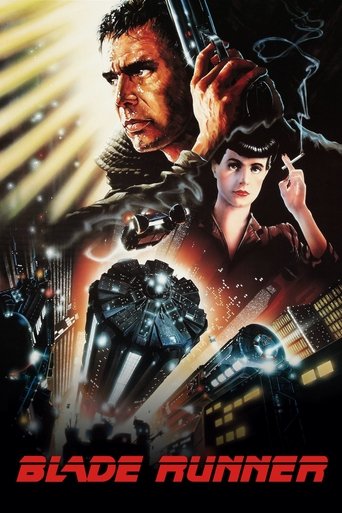
Blade Runner (1982)
It carries noir's detective, moral fog and doomed romance into science fiction, showing how Chinatown's lessons spread.
Compare another approach
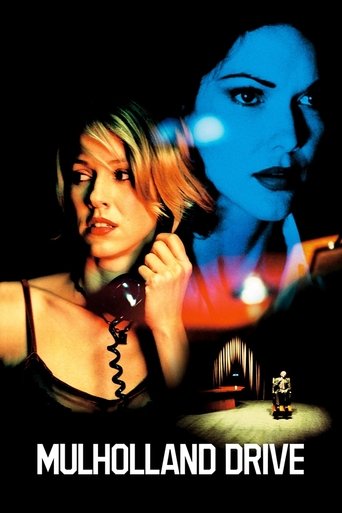
Mulholland Drive (2001)
Another Los Angeles mystery in which the glamorous surface hides something painful, but built on dream logic rather than plot clarity.