Mystery · Horror · Romance
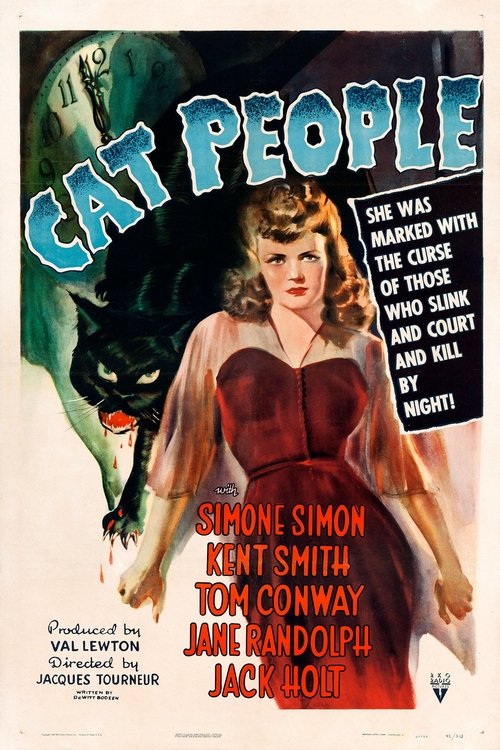
Cat People
American
1942 · Directed by Jacques Tourneur · 73 min


Mystery · Horror · Romance
American
1942 · Directed by Jacques Tourneur · 73 min






Meaning, unpacked
Central idea
The film explores fear of one's own desire and nature. The cat curse can be read as a metaphor for repressed sexuality, cultural outsiderness and mental illness. It stays deliberately ambiguous about whether the curse is real or Irena's belief in it.
What it means
Cat People opens on a woman drawing a caged black panther, and that image holds the whole film. Irena is a Serbian-born illustrator in New York. She marries Oliver, but she believes the women of her people turn into cats when they are aroused, so she cannot allow closeness. As Oliver grows near his colleague Alice, Irena's jealousy turns to stalking.
The central idea is fear of your own desire and your own nature. The curse can be read as repressed sexuality, an outsider's isolation, or mental illness, and the film never tells you which. Psychiatry and common sense are offered as the sane answers, but the film shows them to be blind and controlling. And because Oliver and Alice are kind, ordinary people who still hurt someone, the horror has a real domestic root.
Why it mattered
Cat People was the first of the low-budget horror films Val Lewton produced at RKO. The studio gave him a budget cap, a short running time and a title chosen by management. He and his writer, DeWitt Bodeen, built a psychological story around that lurid title instead of the film it promised.
The film never shows a transformation. That was strategy and budget, not a censor's cut, and there is no lost footage. Director Jacques Tourneur and cinematographer Nicholas Musuraca used shadows, pools of light and sound instead. Alice's night walk through the park ends with a bus arriving with a hiss, the trick later called the Lewton bus. Her swim in a hotel pool, with rippling light on the walls and echoing growls, shows nothing definite at all. Together they taught audiences to fear what they hear more than what they see.
Before anyone tells you what to think: what did you make of it?
Log in to rate it and leave commentsIt takes one click with Google or an email link. You come straight back here.
Rate it, keep your notes, and find the next film.
Free, no ads. Your journal, your lists, a Cine Guide that remembers you.
Create your free spaceCat People made a large profit on a small budget and helped keep RKO financially afloat. It led straight to more Lewton productions, including I Walked with a Zombie and The Leopard Man. Its suggestive style shaped later horror and suspense, from Robert Wise's The Haunting to modern atmospheric horror. A sequel followed in 1944, and Paul Schrader directed a remake in 1982. Horror fans still call a false-alarm shock after built-up dread a "Lewton bus".
Reviewers at the time were mixed about the lurid title and modest scale, though many noticed its atmosphere and economy. Its reputation as a work of craft has grown ever since. Today it is regarded as one of the most artful horror films of the studio era, and critics read it in terms of gender, sexuality and immigrant anxiety. The ambiguity that once looked like a limit is now seen as its strength.
What happens
Dr. Judd tries to kiss Irena and is killed by a panther. Wounded, Irena frees the zoo's panther and dies as it escapes. Oliver and Alice find her body and finally accept that she told the truth.
The last image
Oliver and Alice stand over Irena's body, bound together by grief and relief.
What it says
The film spends its length letting you doubt Irena, then ends on pity. Judd's rationalism is punished, and Oliver and Alice's relief is shadowed by what it cost her. The real horror was how little anyone believed her.
Or follow an idea from this film

Follow the idea
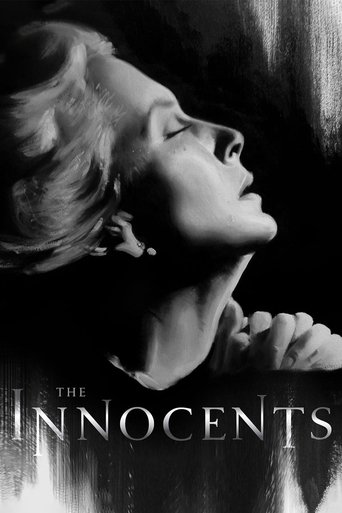
The Innocents (1961)
Another horror film built on ambiguity and suggestion, in which it remains uncertain whether the menace is supernatural or psychological.
See what influenced it
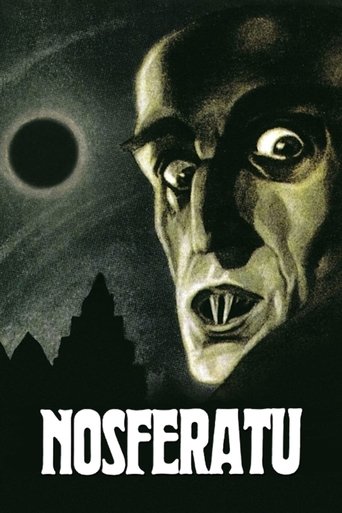
Nosferatu (1922)
Shadow and implication carry the horror in this silent classic, an ancestor of the approach Lewton and Tourneur refined.
Compare another approach
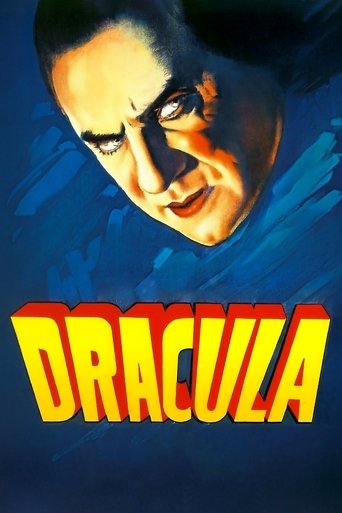
Dracula (1931)
Universal's version of horror, with a visible monster and gothic setting. Watching it next to Cat People shows how different the Lewton approach was.
Jump forward
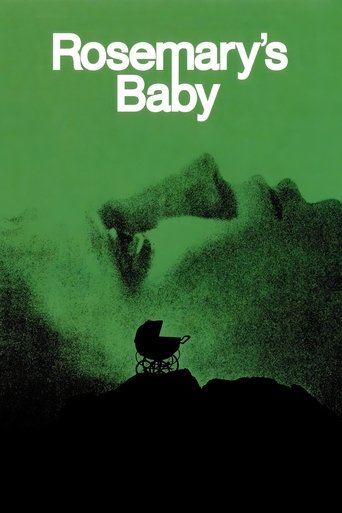
Rosemary's Baby (1968)
A later horror film in which fear grows from doubt about whether the heroine is mad or in danger, and it keeps the threat largely out of sight.
Explore the era or movement
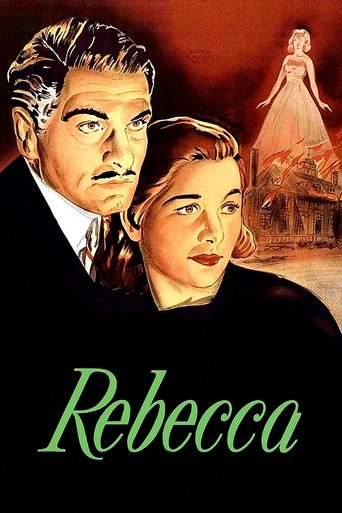
Rebecca (1940)
Another early 1940s Hollywood film of psychological unease, in which a shadowy atmosphere and a troubled marriage take the place of overt horror.