Horror · Thriller
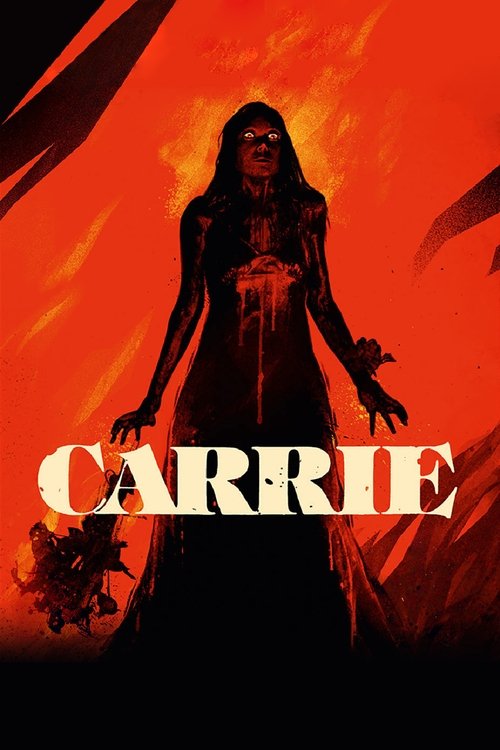
Carrie
American
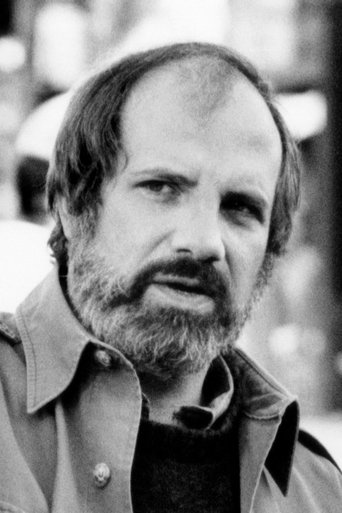
1976 · Directed by Brian De Palma · 98 min


Horror · Thriller
American
1976 · Directed by Brian De Palma · 98 min
Meaning, unpacked
Central idea
The film can be read as a study of what cruelty and repression do to a person who has never been allowed to belong. Its horror comes less from the supernatural than from humiliation, religious shame and the longing for one ordinary night of acceptance.
What it means
Carrie is about a girl who is shamed, crushed by her mother, and then offered one night of kindness that turns out to be a trap. A shy teenager with telekinetic powers is crowned prom queen as a cruel joke, drenched in pig's blood, and she brings the whole night down. But the horror comes less from the supernatural than from humiliation, religious shame, and the longing to belong for one ordinary evening.
The film opens with a shower scene that is slow, soft and dreamy, until Carrie, who doesn't understand what is happening to her body, is pounced on by the other girls. At home, Piper Laurie's Margaret White treats the body, desire and growing up as sin, so love becomes punishment. Many readings link Carrie's powers to puberty, with womanhood seen as frightening by the people around her. Sissy Spacek plays Carrie as vulnerable rather than monstrous, which is why the film hurts. The prom asks whether one kind gesture can undo a lifetime of cruelty, and what it costs when it is betrayed.
Why it mattered
De Palma borrows Hitchcock's method of letting the audience know more than the characters. At the prom we see the bucket and the rope, so we wait, and he stretches time with a 360-degree spin around the dancing couple and tightening cross-cutting. Split screen shows Carrie's gaze and the chaos she causes at once. Slow motion, sudden cuts and Pino Donaggio's score, which mixes romantic themes with jabbing strings that echo Bernard Herrmann, put you inside emotional states, not just impressed by technique.
Before anyone tells you what to think: what did you make of it?
Log in to rate it and leave commentsIt takes one click with Google or an email link. You come straight back here.
Rate it, keep your notes, and find the next film.
Free, no ads. Your journal, your lists, a Cine Guide that remembers you.
Create your free spaceWhat felt fresh was joining genre shocks to a serious portrait of adolescence. The film builds a chain of cause and effect from small humiliations, so the climax is shocking and also earned. The split screen is horror, but also the release of years of suppressed anger, which complicates your sympathies. It was a commercial success with strong reviews, praising De Palma, Spacek and Laurie, though some critics found the violence and the mix of comedy and horror unsettling.
Carrie was Stephen King's first film. His first published novel appeared in 1974, and the film's success helped him break out and opened the way for the many adaptations that followed. It also set the template for teen horror in which a victimised outsider turns the tables. Its closing jump scare, the hand bursting from the grave, has been widely imitated and spoofed, in films like Scary Movie 2.
Today the image of Carrie in her blood-soaked pink dress is shorthand for public humiliation and revenge on bullies. The story returned in a sequel, a TV film, a 2013 remake and a musical, which became a notorious flop before gaining a cult following. Spacek and Laurie were both nominated for Oscars, though neither won. It is now regarded as one of the best King adaptations and one of De Palma's strongest films, and readings of its themes of female adolescence, bullying and religious repression keep it a lasting reference point.
What happens
After the prom massacre, Carrie goes home, where her mother stabs her and she kills her back, and the house collapses on them both. Sue, the one classmate who tried to help, visits the ruins and is grabbed by a bloody hand.
The last image
Sue wakes screaming in her bed, still trapped in the nightmare of Carrie's grave.
What it says
The ending refuses relief. Violence frees no one: Carrie dies, her mother dies, and Sue, who only wanted to make amends, is left haunted. The final jolt is a scare, but it also says survivors never really escape.
Or follow an idea from this film


Continue the director
Blow Out (1981)
De Palma's masterful thriller about sound and conspiracy, again with John Travolta and Nancy Allen, shows his technique used in a more adult mode.
See what influenced it
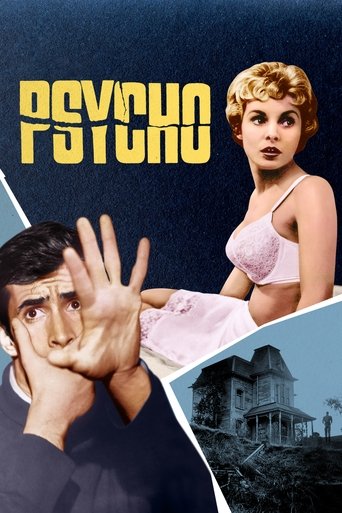
Psycho (1960)
The best way to see the Hitchcock model behind De Palma's suspense, his music and his treatment of a disturbed parent-child bond.
Compare another approach
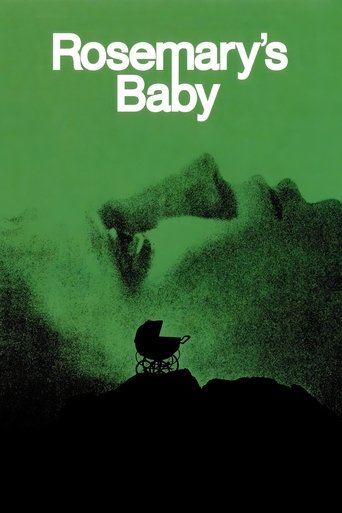
Rosemary's Baby (1968)
Another 1960s-70s horror film that puts a vulnerable woman at its centre, with a very different, quieter approach to dread.
See its influence
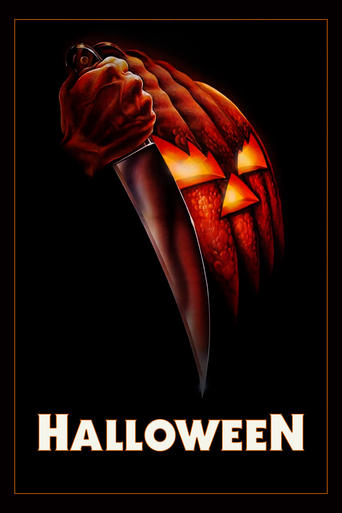
Halloween (1978)
It shows how 1970s horror directors used suspense, camera movement and music for young protagonists soon after Carrie.
Follow the idea
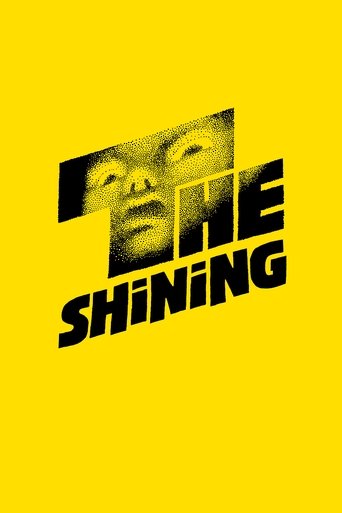
The Shining (1980)
Another Stephen King adaptation that explores psychological breakdown and family pressure, but in a colder, more distanced style.