Documentary · Crime
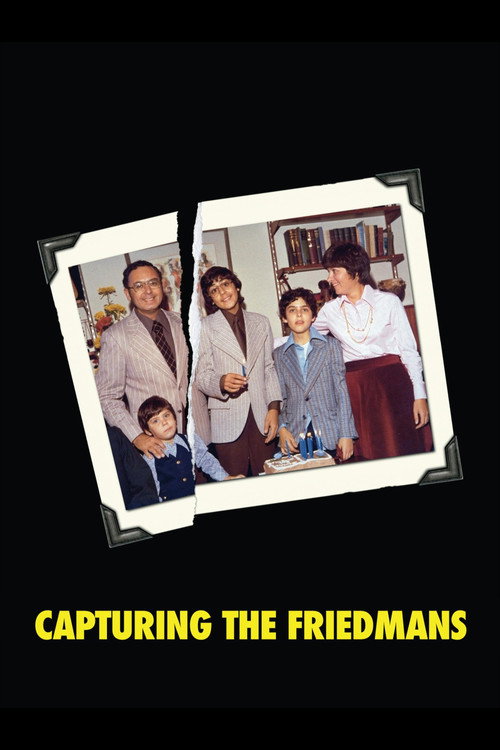
Capturing the Friedmans
American
2003 · Directed by Andrew Jarecki · 107 min


Documentary · Crime
American
2003 · Directed by Andrew Jarecki · 107 min

Meaning, unpacked
Central idea
The film can be read as an investigation into how certainty is made: through family loyalty, institutional pressure, memory and the persuasive power of images, including the ones we think of as honest.
What it means
Capturing the Friedmans is about how certainty gets made. It asks more than whether one man was guilty. It asks how a family, a police force, a courtroom and a whole community come to believe what they believe. Police, lawyers, accusers and relatives all speak with conviction, and their accounts conflict. The film explores how memory and suggestion shape what people sincerely believe, and sets that against a climate of intense fear about child abuse, where interviews, plea bargains and publicity can shape an outcome.
It is also about a family coming apart under accusation. A mother, three sons and a father each cope, blame and withdraw in different ways. David never stops filming, and you can read his camera as a way of holding the family together or of keeping its pain at arm's length. The film never settles that for you. Nor does it give a verdict. Everyone in it is sure, and the question it leaves you with is what your own certainty was built from.
Why it mattered
Andrew Jarecki gives you no narrator and no commentary. Statements are cut against contradicting statements or images, and doubt comes from placement. Facts arrive in stages, so your early impressions are later complicated, and your shifting belief becomes part of the design. Interviews are plain and direct, letting manner, hesitation and anger carry the scene.
The family's home video is the film's emotional spine. The camcorder arguments are the key scenes, because the most private material comes from inside the crisis. It feels like evidence, yet every image is framed, selected and edited, including the film's own. It was a defining film of the early-2000s documentary boom, and it showed how a true-crime story could be built from a family's own home movies and competing testimony.
Before anyone tells you what to think: what did you make of it?
Log in to rate it and leave commentsIt takes one click with Google or an email link. You come straight back here.
Rate it, keep your notes, and find the next film.
Free, no ads. Your journal, your lists, a Cine Guide that remembers you.
Create your free spaceThe film helped set the template for twenty-first-century true-crime documentary: ambiguous evidence, recorded family material, no narrator. Jarecki carried the approach into The Jinx, and later series on contested convictions asked the same questions about authority and truth. It is often discussed alongside the McMartin preschool trial in conversations about 1980s child-abuse panics, and it is taught in courses on documentary ethics, criminal justice and memory.
Critics praised its craft and its refusal to simplify, and many called it gripping and disturbing. It won the Grand Jury Prize for documentary at Sundance in 2003 and earned an Oscar nomination. Some critics and people connected to the case said it was too sympathetic to the Friedmans or left out key material, while others praised that openness. Because the case itself stayed contested, the film is still seen as one worth arguing about.
What happens
Arnold and Jesse plead guilty and go to prison. Arnold dies there in 1995, apparently by suicide, and Jesse is released in 2001. The film never settles what really happened in those basement classes.
The last image
Home footage of the Friedmans in earlier, happier times, before the arrests.
Two readings
What it says
The film is about how certainty gets made, not about delivering a verdict. Ending on happy home footage shows how an image can feel true while hiding what you can't know, and leaves you questioning your own certainty.
Or follow an idea from this film

Compare another approach
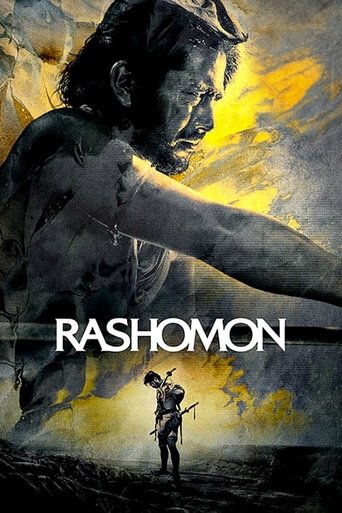
Rashomon (1950)
Kurosawa's fiction about conflicting accounts of one event makes a useful companion, asking how competing sincere testimonies can coexist.
See what influenced it
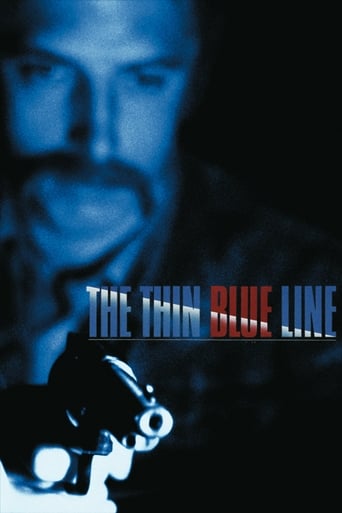
The Thin Blue Line (1988)
Errol Morris's documentary investigated a murder conviction through conflicting interviews and reenactments, a key model for the way this film questions evidence.

Compare another approach
Crumb (1995)
Another portrait of a damaged family, built on trust and unflinching access, which shows a different balance between sympathy and exposure.
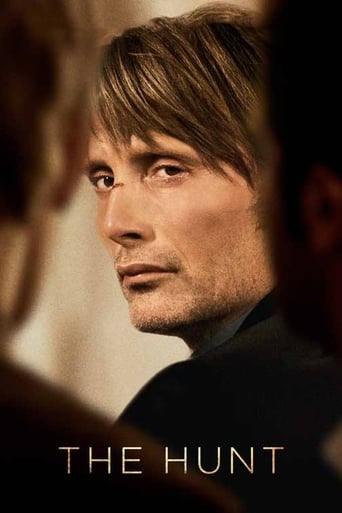
Follow the idea
The Hunt (2012)
This fictional drama about a community convinced by a child's accusation explores the same dynamics of suspicion and social panic.
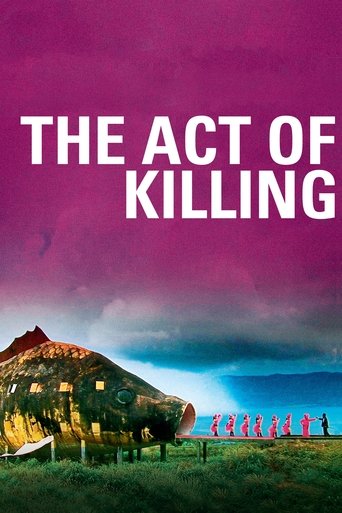
Jump forward
The Act of Killing (2012)
Joshua Oppenheimer's documentary extends the questions about self-presentation, memory and moral responsibility into more radical territory.