Music · Romance · Drama
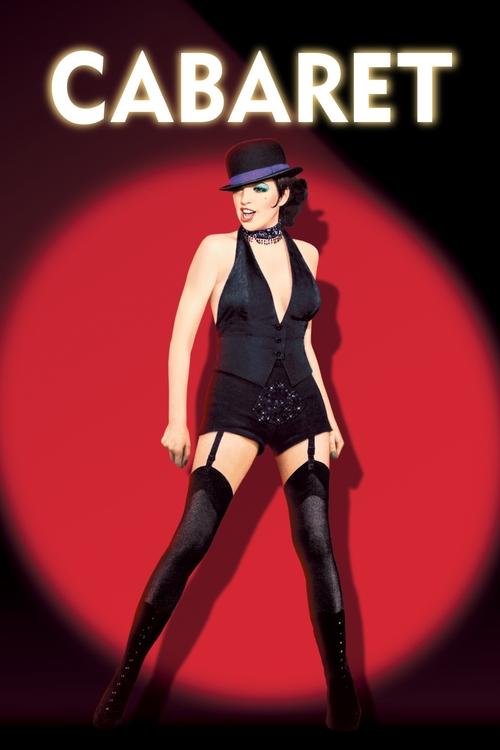
Cabaret
American
1972 · Directed by Bob Fosse · 124 min


Music · Romance · Drama
American
1972 · Directed by Bob Fosse · 124 min



Meaning, unpacked
Central idea
The film explores how ordinary people distract themselves, through pleasure, ambition and irony, while a political catastrophe grows around them. It can be read as a study of willful blindness, with the cabaret as both escape and mirror.
What it means
Cabaret is set in Berlin in the early nineteen thirties. Sally Bowles sings at the Kit Kat Club while the Nazi party rises outside. Its central idea is willful blindness: ordinary people distract themselves with pleasure, ambition and irony while catastrophe grows around them. The cabaret is both the escape and the mirror. In the opening, a mirror in the club turns the audience back on itself, so before any plot begins, the film tells you its subject is spectators. That includes you.
The club offers glamour and laughter as a shelter, and the film shows how easily a shelter becomes a way of not looking. Politics seeps into private life the same way, quietly rearranging friendships, romances and class tensions long before anyone says so out loud. Sally builds a persona, and the emcee is almost nothing but one, so the film keeps asking what is left of a person beneath the act. Her dream of stardom lets her explain away every inconvenient truth, including her own choices. And the film never mocks Berlin's freedom. Its nightlife looks real and attractive, which is why its fragility is so unsettling.
Why it mattered
Bob Fosse's film broke the usual rules of the Hollywood musical. It keeps nearly every song on a stage, inside the club, and uses the numbers to comment on the story, not to voice the characters' feelings. The numbers are angular and mechanical, with bowler hats, chairs and tight bodies, closer to German cabaret than Broadway gloss. It is a landmark of the adult, skeptical 1970s musical, and a key example of how New Hollywood turned a studio genre toward political material.
Before anyone tells you what to think: what did you make of it?
Log in to rate it and leave commentsIt takes one click with Google or an email link. You come straight back here.
Rate it, keep your notes, and find the next film.
Free, no ads. Your journal, your lists, a Cine Guide that remembers you.
Create your free spaceIt was also made with real invention. Fosse and editor David Bretherton cut between stage and street, so a lyric or gesture in one echoes an image in the other. Meaning comes from juxtaposition, not dialogue. Geoffrey Unsworth lit the club with smoke, shadows and distorting reflections, and kept the outside world in flatter daylight. Writer Jay Presson Allen cut most of the stage show's story songs and rebuilt the plot around the club. The film won eight Oscars, including Best Director, but lost Best Picture to The Godfather.
Its model, songs as performance with ironic commentary, shaped later musicals such as Chicago and Dancer in the Dark. Fosse's own All That Jazz extends its editing and its view of performance as survival. Sally's bowler hat, black bob and chair-straddling pose became a lasting image of Liza Minnelli. The songs Cabaret and Mein Herr became standards, and Willkommen is shorthand for decadent Berlin. The film also shaped the popular picture of early nineteen thirties Berlin, though historians note that picture is stylised. Its darker tone fed back into the stage show, notably the 1998 Broadway revival.
At the time, critics and audiences responded strongly. It was a commercial success, praised for its performances, its staging and its handling of dark material. Some felt the club scenes overshadowed the central romance, and Christopher Isherwood himself had reservations about how his material was changed. Today it is regarded as one of the greatest film musicals, and Fosse's directing is seen as inseparable from the form's modern history. If you want to go further, watch All That Jazz next, then read Isherwood's Berlin stories.
What happens
Brian leaves for England after Sally's abortion. Fritz and Natalia marry. Sally returns to the club and sings the title song, while the camera shows an audience that now includes Nazi uniforms.
The last image
The camera shows the Kit Kat Club's audience, Nazi uniforms among them, as the emcee bids them goodbye.
What it says
The film ends where it began, in the club, so the shelter itself becomes the comment. Sally sings brilliantly, the room applauds, and the rising Nazis sit among the spectators. Nobody looks away, and neither did you.
Or follow an idea from this film

Continue the director
All That Jazz (1980)
Fosse's most personal film pushes his editing and his view of performance further, with a more openly autobiographical subject.
Explore the era or movement
The Godfather (1972)
The film that beat Cabaret for Best Picture. Seeing both shows the range of New Hollywood in the same year.
Compare another approach
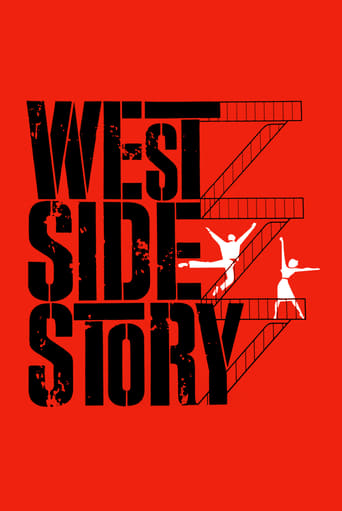
West Side Story (1961)
A major earlier musical, with Robbins's choreography and a tragic edge. It shows how much the form changed in a decade.
Follow the idea
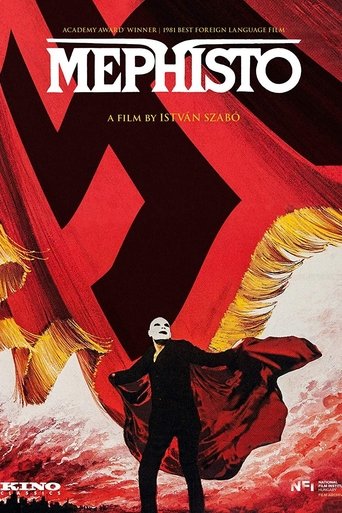
Mephisto (1981)
Examines an actor's compromise with Nazi power, extending Cabaret's questions about performance, ambition and complicity.
See its influence
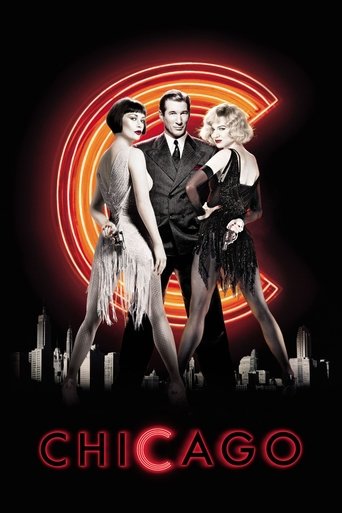
Chicago (2002)
Takes Cabaret's use of stage numbers as commentary and applies it to celebrity and crime.