Drama
Boyhood
American
2014 · Directed by Richard Linklater · 165 min


Drama
American
2014 · Directed by Richard Linklater · 165 min








Meaning, unpacked
Central idea
The film can be read as a portrait of how a self forms: not through turning points, but through accumulated, mostly unremarkable days. It treats time as both subject and method, and asks what a life is made of.
What it means
Boyhood asks a simple question: what is a life actually made of? Its answer is not big events. It is ordinary days, piling up until you look back and find a person where a child used to be. The film follows Mason from the age of six to eighteen, and it never announces a turning point. Change arrives slowly, and you usually notice it afterwards.
The film is also about the people around him. His mother Olivia and his father, who becomes a weekend dad, are shown learning, failing and changing too. Moves, new partners and money worries shape Mason's world, and he watches men of different kinds as he works out who he wants to be. The ending offers no neat resolution. Mason and his friends talk about how moments pass through us, and the film seems to say that attention, more than achievement, gives a life meaning.
Why it mattered
Linklater committed to twelve years, with the same cast and a budget spread over time. Each year he gathered them for a short shoot and wrote the next chapter in response to how the actors had changed. Few fiction films have used real ageing this way, so the story was shaped by actual time rather than planned in advance.
It also looks and feels different. Years pass through direct cuts, often mid-conversation or on a song, with no title cards. You read time from faces, clothes and gadgets. The consistent 35mm look makes twelve years feel like one flow. Instead of climaxes, the film offers accumulation, and it trains you to find meaning in small changes.
Before anyone tells you what to think: what did you make of it?
Log in to rate it and leave commentsIt takes one click with Google or an email link. You come straight back here.
Rate it, keep your notes, and find the next film.
Free, no ads. Your journal, your lists, a Cine Guide that remembers you.
Create your free spaceBoyhood made long-term, real-time filmmaking a visible option for fiction, and it is still the usual reference point for later projects that follow performers across years. It also showed that a small, patient independent production could compete at awards level. It won the Silver Bear for Best Director for Linklater in Berlin, dominated the critics' awards that season, and earned six Oscar nominations. Patricia Arquette won Best Supporting Actress, and her speech calling for wage equality drew visible applause from Meryl Streep and Jennifer Lopez.
Today it is widely seen as one of the defining films of the 2010s. Its reputation rests less on the twelve-year stunt than on how modest and humane it feels. A few critics found it slight or sentimental, but most were rapturous. Many viewers treat it as a time capsule of ordinary American life, with its songs, games and gadgets marking the years.
What happens
Mason leaves home for college at eighteen. His mother Olivia breaks down, saying she expected more from her life. Mason hikes with new friends, and the film ends mid-conversation, with no big event, only a quiet day.
The last image
Mason sits with a girl he has just met in the Big Bend landscape, talking about how moments seem to pass through us, as the film simply stops.
What it says
The ending refuses a climax because the film's idea is that a life is made of ordinary days. Mason's talk of moments passing through us points to attention, not achievement, as what matters. His mother's grief makes the same point.
Or follow an idea from this film
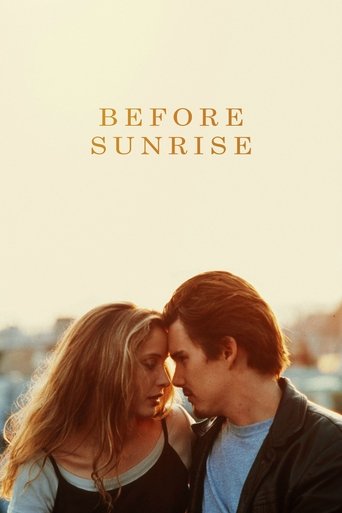

Continue the director
Before Sunrise (1995)
Linklater's other great experiment with time, a single night of conversation that later became a trilogy. It shows the same love of talk and passing moments.
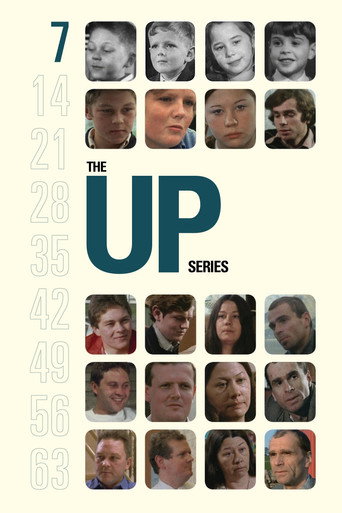
Follow the idea
Seven Up! (1964)
A documentary following British children as they age, it pursues the same question of how a life takes shape, but with real people and no script.

Compare another approach
The 400 Blows (1959)
Another landmark portrait of childhood. Truffaut's is compressed and sharp where Linklater's is long and gentle, so the contrast is instructive.
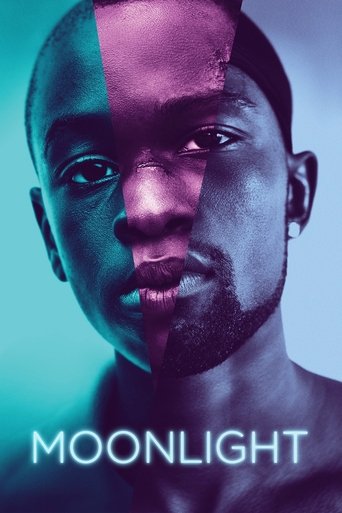
Explore the era or movement
Moonlight (2016)
A coming-of-age story in three chapters at different ages, using different actors, which makes a useful contrast to Boyhood's use of one actor.

Compare another approach
The Tree of Life (2011)
Another recent American film about a Texas childhood and memory. Malick's approach is more lyrical and cosmic, Linklater's more everyday.