Mystery · Thriller · Crime
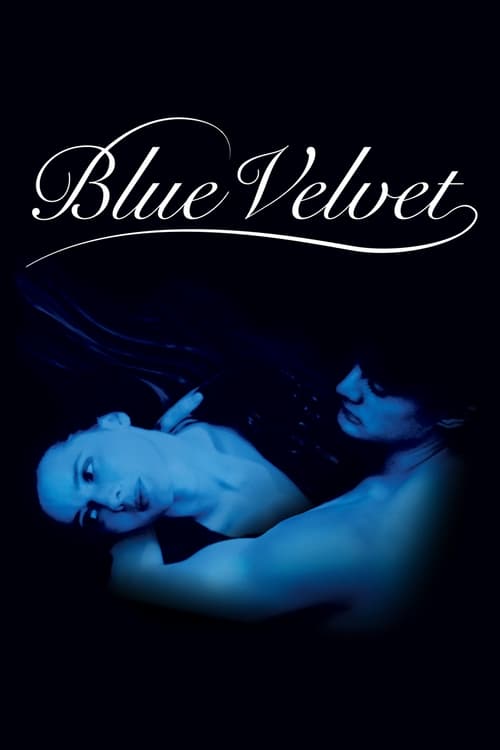
Blue Velvet
American
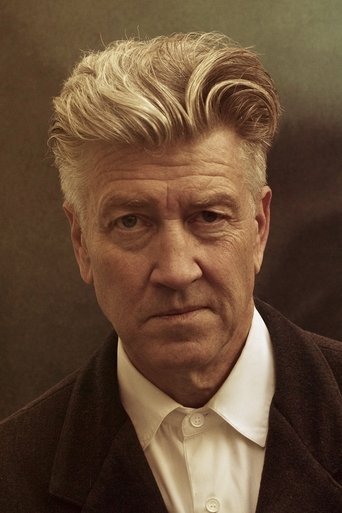
1986 · Directed by David Lynch · 120 min


Mystery · Thriller · Crime
American
1986 · Directed by David Lynch · 120 min









Meaning, unpacked
Central idea
The film explores the gap between a wholesome public surface and the desires and violence beneath it, and asks whether the watcher, like its hero, is complicit in looking. It can be read as a coming-of-age story about discovering that innocence and darkness coexist.
What it means
Blue Velvet is about the gap between a wholesome surface and the desires and violence underneath. Jeffrey finds a severed ear in a field, and his curiosity pulls him toward Dorothy, a nightclub singer, and the violent man who holds power over her. What he learns, and what you learn with him, is that innocence and darkness don't live in separate places. Sometimes they live in the same person. It can be read as a coming-of-age story, and Jeffrey's education is as much about himself as about the criminals.
The opening says it before anyone speaks: blue sky, red roses, a man collapsing at his lawn, then the camera diving into the soil among the insects. Surface, then underneath. The film is that dive stretched out to two hours. In the closet, you are locked into Jeffrey's point of view as he watches Dorothy, and looking becomes a morally charged act. You are implicated. The ending returns to sunny normality, but it looks so artificial you have to wonder whether order is restored or merely painted over.
Why it mattered
Lynch made this after the bruising experience of Dune. Dino De Laurentiis gave him a modest budget and final cut, and Lynch reportedly took a reduced fee to get that control. The result was his first fully personal American film, and it fixed the mix of suburban innocence, nightmare and dark comedy that his later work built on.
Before anyone tells you what to think: what did you make of it?
Log in to rate it and leave commentsIt takes one click with Google or an email link. You come straight back here.
Rate it, keep your notes, and find the next film.
Free, no ads. Your journal, your lists, a Cine Guide that remembers you.
Create your free spaceIt took a familiar detective story, from clue to investigation to confrontation, and bent it into something stranger, treating curiosity itself as suspect. Sound and image did much of the storytelling: Angelo Badalamenti's score and an industrial-sounding sound design created unease before anything happened, while period songs stopped being nostalgic and became haunting. Frederick Elmes shot the town in postcard colours, then used shadow and red and blue light indoors, noir lighting rendered in colour. Reaction was divided. Some critics praised its daring, others objected to its violence and its treatment of Dorothy, and some viewers walked out of early screenings.
Strong word of mouth helped. The film performed respectably for such an unconventional work, made Lynch a prominent name, and earned him an Oscar nomination for Best Director. It set the template for suburban gothic, most directly in Lynch's own Twin Peaks, and it shaped directors who pair pastiche with dread, such as the Coen brothers and Todd Haynes. Frank Booth, with his gas mask and rages, became shorthand for screen menace, and Lynchian became the word for the mundane and the nightmarish together.
Today it is widely seen as one of the key American films of the 1980s. The charges of misogyny and sensationalism haven't vanished, but it is now more often valued for its formal daring and its portrait of repression and desire. It is also not simple satire: Lynch has described affection for this world alongside its darkness, and the film is sincere about its romance and nostalgia. After the sunshine returns, you may not trust your own eyes quite the same way again.
What happens
Jeffrey kills Frank in Dorothy's apartment, ending the nightmare. Dorothy gets her son back, Jeffrey and Sandy are together, and a robin sits on the window sill. Everything seems restored, but the neatness looks painted on.
The last image
A robin perches on the window sill, bright and almost too perfect, as the sunny suburban calm returns.
Two readings
What it says
The ending loops back to the sunny surface of the opening, so you have to ask what has really changed. The film suggests innocence and darkness coexist, and Jeffrey, and you, can no longer trust the pretty surface.
Or follow an idea from this film
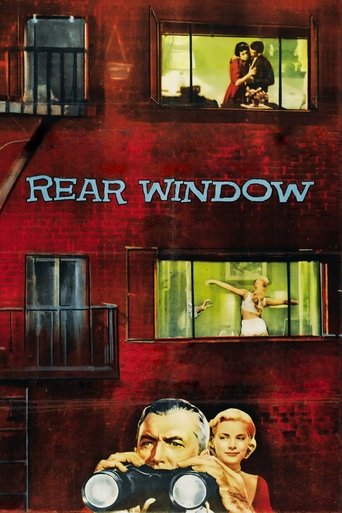

Compare another approach
Rear Window (1954)
Hitchcock's voyeuristic mystery is the clearest ancestor. Compare how each film makes the audience complicit in looking.
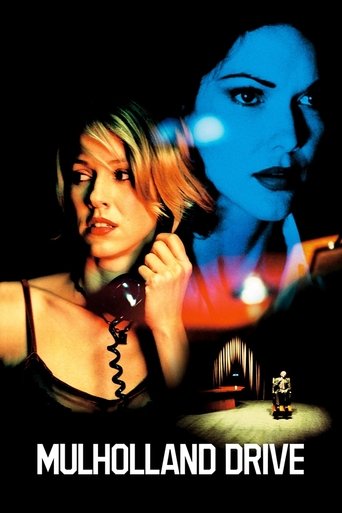
Continue the director
Mulholland Drive (2001)
Lynch's later masterwork takes the dreamlike, fractured approach much further. It shows where his style went after Blue Velvet.
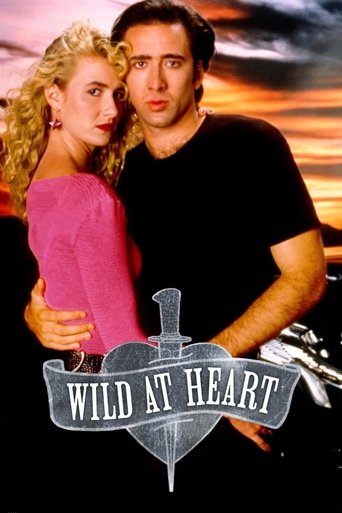
Follow the idea
Wild at Heart (1990)
Lynch's following feature continues the mix of romance, violence and pop culture, with a more overtly extravagant tone.

Explore the era or movement
Paris, Texas (1984)
Another mid-1980s art film that reinterprets American landscapes and myths, with a very different, more melancholy sensibility.
See its influence
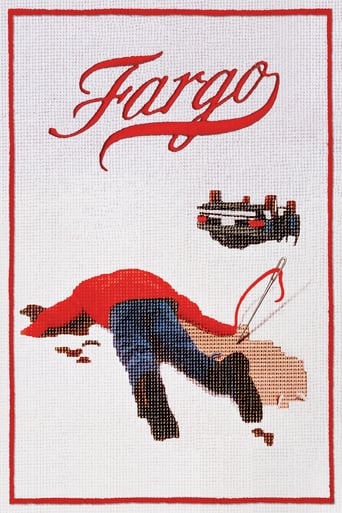
Fargo (1996)
A later crime story where ordinary-seeming communities hold sudden violence, showing how the Blue Velvet tonal blend spread.