Romance · Drama
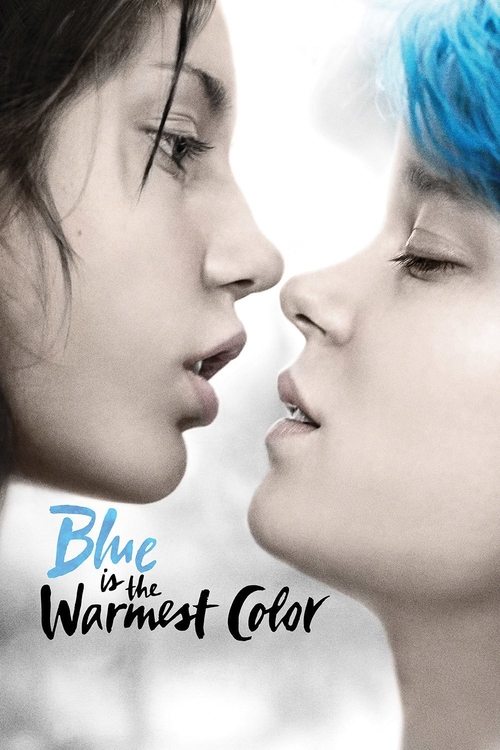
Blue Is the Warmest Color
French (La Vie d'Adèle - Chapitres 1 et 2)
2013 · Directed by Abdellatif Kechiche · 180 min


Romance · Drama
French (La Vie d'Adèle - Chapitres 1 et 2)
2013 · Directed by Abdellatif Kechiche · 180 min





Meaning, unpacked
Central idea
The film can be read as a portrait of an appetite, for love, food, bodies and belonging, and of how class and education shape what each person is allowed to want. It asks what intimacy leaves unspoken.
What it means
On the surface, this is a girl who glimpses a blue-haired stranger on a street crossing, falls for her, and loses her after a betrayal. But the film is really a portrait of appetite: for love, for food, for bodies, for belonging. It also shows how class and education shape what each person feels allowed to want, and it asks what intimacy leaves unspoken.
Watch how Adèle's desire is treated. It is not a coming-out plot. She is working it out for herself, with hesitation, shame and joy. And look at the two dinners: Emma's family eats oysters and talks art, Adèle's eats spaghetti and talks about work. Nobody mentions the gap, and that is why it cuts. Adèle's love of literature and teaching adds another question: what does it mean to find a calling that nobody around you counts as ambitious?
Why it mattered
Kechiche stays close to his actors. Sofian El Fani's tight, handheld close-ups fill the frame with faces while the setting falls into soft focus, so you watch emotion rather than interpret it from a distance. Scenes run long, dialogue overlaps, and then the story jumps across years, so grief lands with the force of a long absence. The long rupture scene never cuts away, turning a love story into a study of the cost of betrayal and pride.
At Cannes in 2013 the film won a long ovation and the Palme d'Or. The jury, led by Steven Spielberg, gave the prize to Kechiche and to both Adèle Exarchopoulos and Léa Seydoux, an unusual step that reflected how much the film depends on them. Critics praised the performances, the emotional immediacy and the length.
Before anyone tells you what to think: what did you make of it?
Log in to rate it and leave commentsIt takes one click with Google or an email link. You come straight back here.
Rate it, keep your notes, and find the next film.
Free, no ads. Your journal, your lists, a Cine Guide that remembers you.
Create your free spaceThe praise came with trouble. The shoot ran for months, with many takes for each scene, and afterwards both actresses spoke publicly about how demanding it had been. Kechiche responded angrily. Julie Maroh, whose graphic novel inspired the film, praised the actresses but said the sex scenes looked like a heterosexual man's idea of lesbian sex. That objection became central to arguments about the male gaze and the female gaze, and about men directing lesbian stories. The film also arrived in France as same-sex marriage was being legalised and fiercely debated, and was often discussed alongside that argument.
Today many viewers hold two views at once: it is a powerful portrait of a young woman, made by a director whose methods are questioned. Later films such as Carol and Portrait of a Lady on Fire are often discussed in relation to the questions about looking that it raised. Perhaps that is Adèle's lasting power. You can doubt how she was filmed and still remember her face.
What happens
Adèle meets Emma again, now living with someone else and raising a child. Emma is tender but clear that it is over. At Emma's exhibition, Adèle dances briefly, then walks away alone. Their love is finished, and she has to go on without it.
The last image
Adèle walks away down the street alone, away from the party.
What it says
The film treats love as an appetite, and appetites are not always met. Adèle still wants Emma, but the gap between them, in class, in ambition, in what went unsaid, was always there. She ends alone and still herself, moving on.
Or follow an idea from this film

Follow the idea
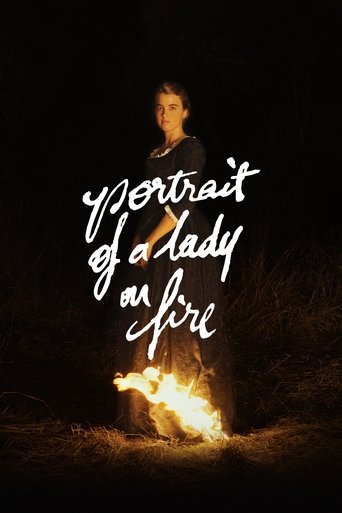
Portrait of a Lady on Fire (2019)
Another French love story between two women, shaped by class and by looking. Its stillness and controlled framing make a revealing contrast with Kechiche's close, restless camera.
Compare another approach
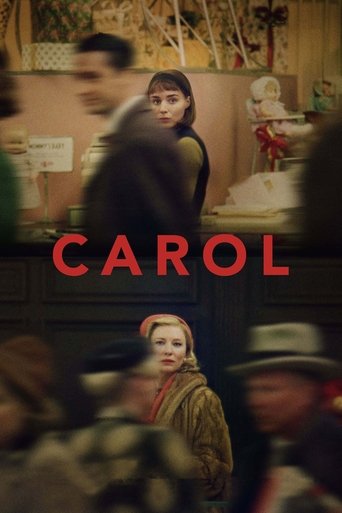
Carol (2015)
A same-sex romance in which class, age and restraint matter as much as desire. Watching the two together shows how differently films can handle intimacy and the gaze.
Explore the era or movement
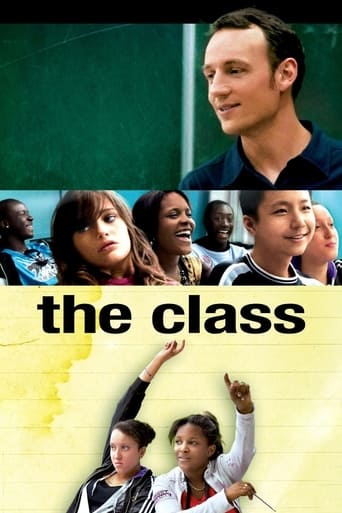
The Class (2008)
Another Palme d'Or winner set in a French school, using non-professional actors and long, improvised-feeling scenes. It shows the realist tradition Kechiche was working within.
See what influenced it
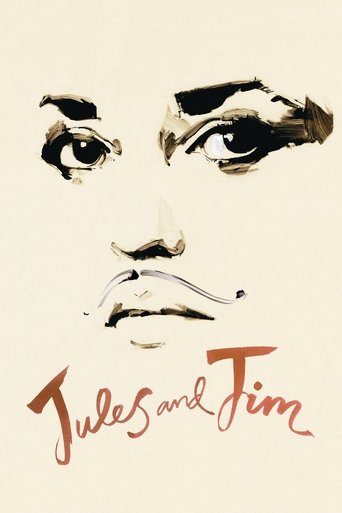
Jules and Jim (1962)
A French love story that follows relationships across years, with youthful passion giving way to something more complicated. A useful earlier model for the idea of life seen in chapters.
Compare another approach
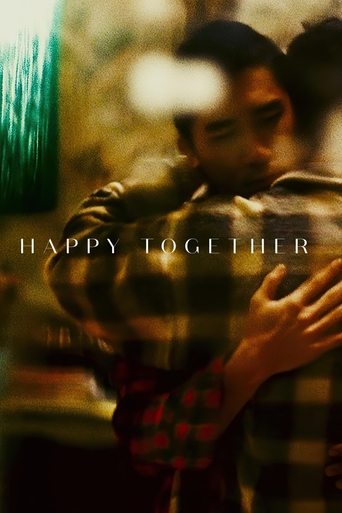
Happy Together (1997)
Another film about a couple whose intimacy is tested by pride and unevenness. Its stylised romanticism contrasts sharply with Kechiche's naturalism.