Science Fiction · Drama
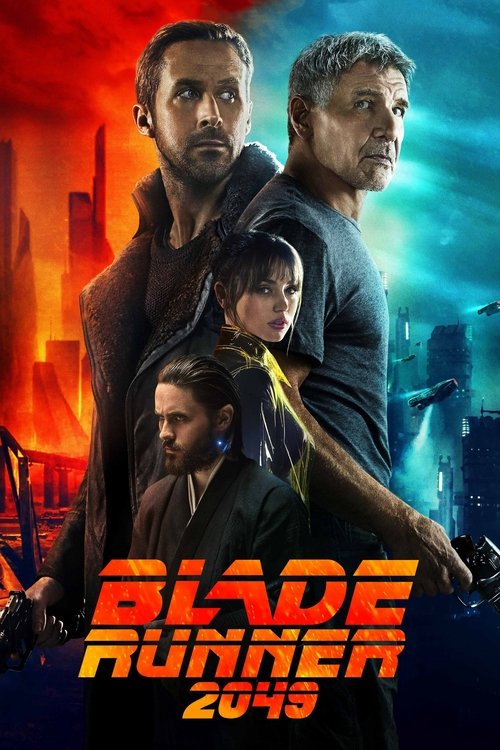
Blade Runner 2049
American
2017 · Directed by Denis Villeneuve · 164 min

Science Fiction · Drama
American
2017 · Directed by Denis Villeneuve · 164 min













Meaning, unpacked
Central idea
The film can be read as an inquiry into what makes a life authentic when memory, love and even origin can be manufactured. It asks whether meaning comes from being special or from what a person chooses to do.
What it means
On the surface, this is a detective story. K is a replicant who retires older replicants, and a secret sends him hunting for a hidden past that leads to Rick Deckard. But the film is about something else. At its centre is a question: what makes a life authentic when memory, love and even origin can be manufactured?
K wants to be chosen. He wants to be more than a unit built for a job. The film tests that hope, then redirects it. Meaning, it suggests, comes less from being special than from what a person chooses to do. That is why the last steps in the snow land the way they do, on image and silence rather than explanation. Joi, K's holographic partner, is the sharpest case: intimacy through a projected image and a borrowed body, treated with real seriousness. Behind it all sits exploitation, with replicants made for labour and obedience. And maybe that's the point. K never gets the destiny he wanted. He gets something quieter, and it may be worth more.
Why it mattered
This arrived 35 years after Ridley Scott's Blade Runner, and it did not simply repeat the original. It widened that world and its questions, and it took form and ideas unusually seriously for a late sequel to a cult classic. It also reunited the first film's makers with a new director: Scott stayed on as executive producer and helped choose Villeneuve, and Hampton Fancher, co-writer of the first film, co-wrote this script.
It showed how far a big-budget science-fiction film could lean toward contemplation. Villeneuve spends 164 minutes on silence, texture and doubt about what is real. Roger Deakins uses colour as geography, with smog grey for Los Angeles, hazy orange for Vegas and cold white for the sea wall. Large physical sets and miniatures were extended digitally, so the scale feels tangible. The film is a defining example of the 2010s wave of legacy sequels.
Before anyone tells you what to think: what did you make of it?
Log in to rate it and leave commentsIt takes one click with Google or an email link. You come straight back here.
Rate it, keep your notes, and find the next film.
Free, no ads. Your journal, your lists, a Cine Guide that remembers you.
Create your free spaceIts confident, slow style helped open the way for Villeneuve's Dune films, and it encouraged big-budget genre films that favour atmosphere and silence over pace. Joi is often cited in talk of virtual companions, and writers pair her with the AI lover in Spike Jonze's Her. The orange ruins of Vegas circulate endlessly online, and the setting has lived on through prequel shorts, including an anime by Shinichiro Watanabe, and the series Blade Runner: Black Lotus.
It was not a hit. Reviews were strong, but it underperformed against studio hopes given its high cost, and some found it too slow and overlong. Its standing has grown steadily since. It won two Academy Awards, for cinematography and visual effects, from five nominations. Many now call it one of the strongest science-fiction films of its decade, and a rare sequel that justifies itself.
What happens
K learns his memory was implanted and he isn't the miracle child. Even so, he kills Luv, rescues Deckard and brings him to Ana Stelline, his real daughter, then lies down on the snowy steps as she and Deckard meet.
The last image
K lies back on the snowy steps outside Ana Stelline's building while the snow keeps falling.
Two readings
What it says
K never gets the destiny he wanted. By giving Deckard a reunion he can't have, he finds meaning in what he chooses to do, not in being special. The silence leaves that choice to speak for itself.
Or follow an idea from this film
See what influenced it
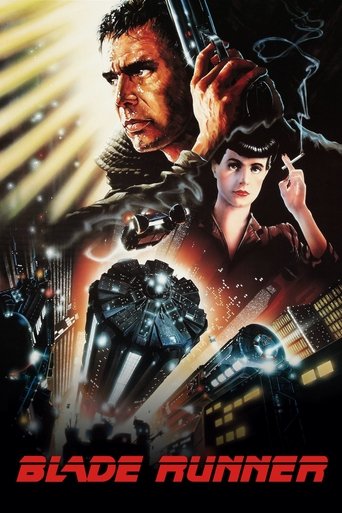
Blade Runner (1982)
Essential companion viewing. Seeing the original shows what the sequel inherits, what it changes and why its questions matter.
Continue the director
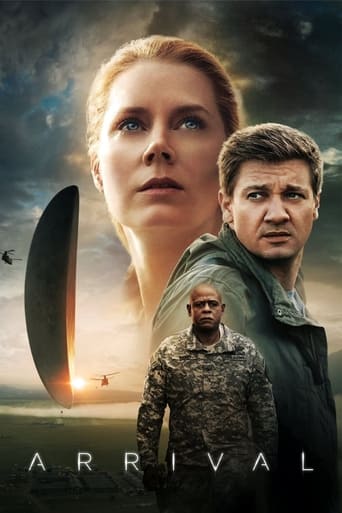
Arrival (2016)
Villeneuve's previous science-fiction film is quieter and more intimate, and uses time and memory to similar emotional effect.
Follow the idea
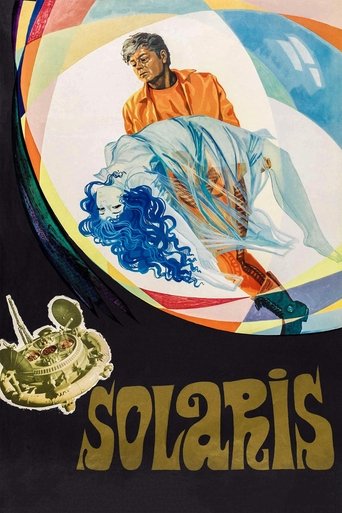
Solaris (1972)
Tarkovsky's film shares the slow pace and the question of whether an artificial presence can be real to someone who loves it.
Compare another approach
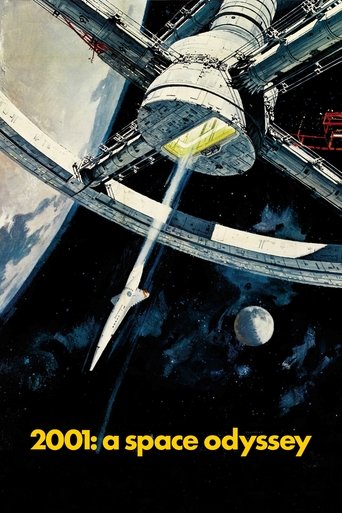
2001: A Space Odyssey (1968)
Another science-fiction film that favours image, sound and silence over plot, and asks about the nature of intelligence.
Continue the director
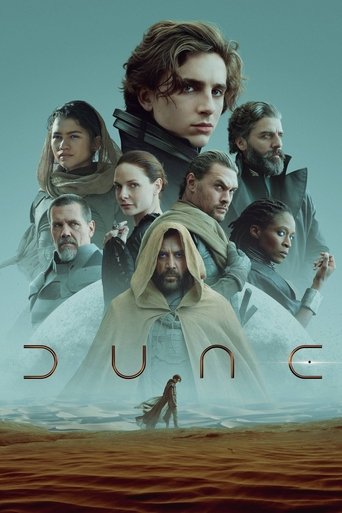
Dune (2021)
Villeneuve moves to epic scale, with a similar patient style and attention to architecture and sound.