Drama · Comedy
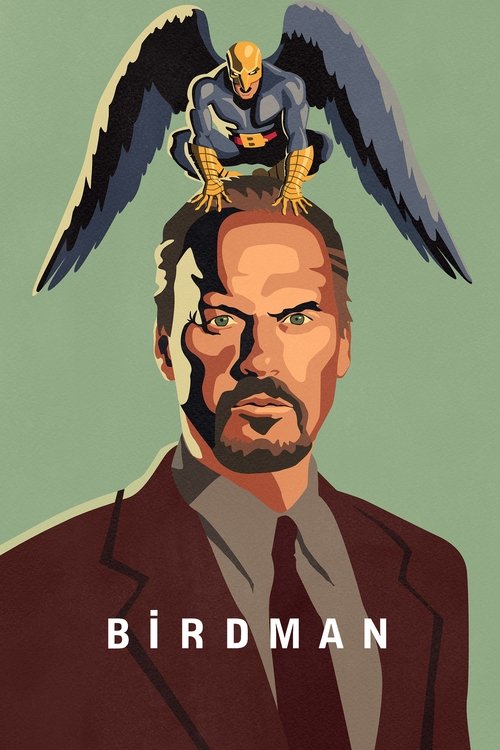
Birdman or (The Unexpected Virtue of Ignorance)
American
2014 · Directed by Alejandro G. Iñárritu · 120 min


Drama · Comedy
American
2014 · Directed by Alejandro G. Iñárritu · 120 min







Meaning, unpacked
Central idea
The film is about the hunger to matter. Riggan wants love, relevance and artistic legitimacy, and the film can be read as asking whether any of these can be won without self-destruction, in a culture that rewards attention over substance.
What it means
Birdman follows Riggan Thomson, a faded film star famous for playing a superhero, who stakes everything on a stage play built from the writing of Raymond Carver. Under the plot, the film is about the hunger to matter. Riggan wants love, relevance and respect, and the film asks whether he can have any of them without destroying himself, in a culture that rewards attention over substance.
His motives for serious art are tangled up with vanity and a fear of being forgotten, and the film refuses to separate the two. Viral clips and box-office numbers are set against the slower approval of critics and the stage. Actors blur life and role, and his chase for greatness has cost him his family. The film also treats critics as gatekeepers who judge without risking anything, though some felt the film itself was too pleased with its own cleverness. The final performance can be read as transformation, or as escape. Riggan wanted to be seen, and the film lets you decide what he finally saw.
Why it mattered
Birdman looks like one unbroken shot, but it is not. It was assembled from several long takes, with cuts hidden in whip pans, dark passages and digital joins. The illusion of continuity was the plan from the start, and it carries the film's anxiety, with time passing only through changes of light outside the windows. It reworked the single-take experiment of earlier films like Rope for the age of franchises and social media.
Making it work took weeks of rehearsal, a full replica of the St. James Theatre interiors partly built on a soundstage, and camera moves planned to the second. Emmanuel Lubezki used compact digital cameras so the operator could move through tight spaces, shooting largely in natural or practical light with wide lenses close to the actors. The drum score by Antonio Sánchez was recorded first, and the filmmakers used it to shape the pace of the cut.
Before anyone tells you what to think: what did you make of it?
Log in to rate it and leave commentsIt takes one click with Google or an email link. You come straight back here.
Rate it, keep your notes, and find the next film.
Free, no ads. Your journal, your lists, a Cine Guide that remembers you.
Create your free spaceBirdman opened the Venice Film Festival in 2014 to strong reviews. It earned nine Oscar nominations and four wins: Best Picture, Best Director, Best Original Screenplay and Best Cinematography. Michael Keaton was nominated for Best Actor but lost to Eddie Redmayne. It encouraged a wave of films with extended or apparently continuous takes, such as 1917, and helped make self-aware talk about superheroes and celebrity a mainstream awards-season subject.
Today its reputation remains high for its craft and for Keaton's late-career peak. Film courses still use it to show how camera, editing and music shape a performance. Debate continues about how it treats critics, superheroes and women characters. It is seen as an important marker of the franchise age and a high point of the single-take style.
What happens
On the final preview, Riggan fires a real gun on stage and shoots off part of his nose. The audience goes wild, and the critic who vowed to destroy him writes a glowing review. Recovering in hospital, he climbs to the window and seems to fly.
The last image
Sam looks out the hospital window, then glances up at the sky, and smiles.
Two readings
What it says
The ending refuses to tell you whether Riggan was seen truly or only wanted to be. Applause, a review and a flight all feed the same hunger to matter, so the film leaves you to decide what counts.
Or follow an idea from this film

See what influenced it
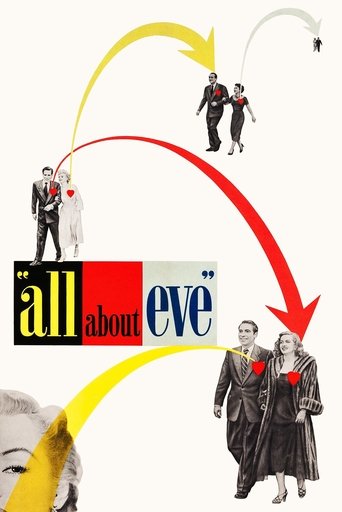
All About Eve (1950)
The original backstage drama of ambition, theatre and critics. Seeing it clarifies what Birdman borrows and what it changes.
Compare another approach
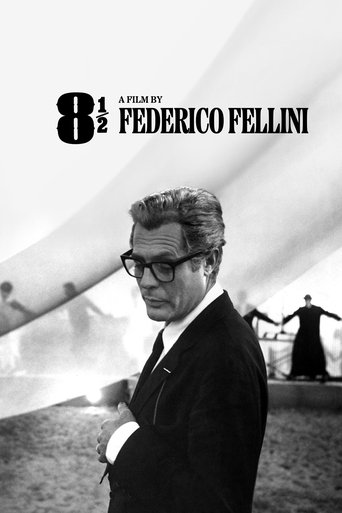
8½ (1963)
Another film about an artist in crisis whose fantasies spill into reality. Compare Fellini's playful approach with Iñárritu's anxious one.
Continue the director
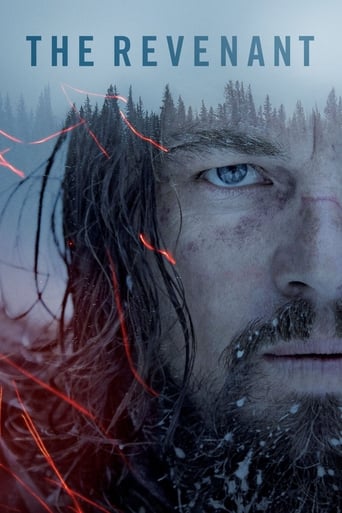
The Revenant (2015)
Iñárritu's next film, again with Lubezki, shifts the long, mobile camera from a theatre to a brutal frontier.

Follow the idea
Children of Men (2006)
Lubezki's long, intricate takes in this dystopian thriller show the technique that later shaped Birdman's style.
Explore the era or movement
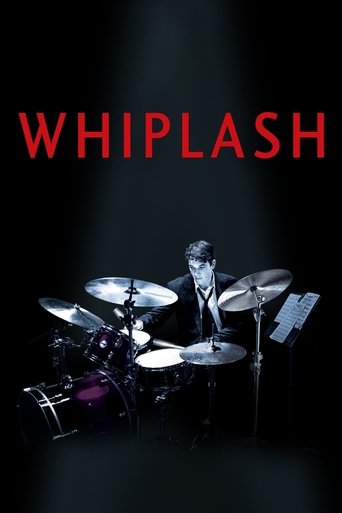
Whiplash (2014)
Released the same year, it also follows an artist's obsession with greatness and uses musical rhythm and cutting to build tension.