Mystery · Drama · Thriller
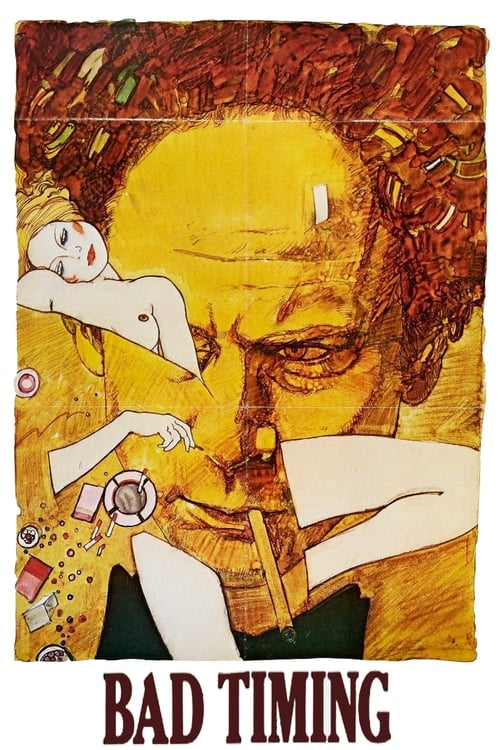
Bad Timing
British
1980 · Directed by Nicolas Roeg · 123 min


Mystery · Drama · Thriller
British
1980 · Directed by Nicolas Roeg · 123 min







Meaning, unpacked
Central idea
The film can be read as an inquiry into possession: how one person tries to analyse, fix and own another, and how memory rearranges love after the fact. Its fractured structure is the argument.
What it means
In Vienna, an American psychoanalyst named Alex and a woman named Milena have a doomed affair. After she overdoses, a detective, Netusil, questions Alex. The film reaches you in pieces, and that is the point. It is an inquiry into possession: how one person tries to analyse, fix and own another, and how memory rearranges love afterward. The fractured structure is not decoration. It is the argument.
Alex treats Milena as something to be understood and kept, and analysis, jealousy and desire blur into domination. The irony is sharp: he is a psychoanalyst who cannot read his own behaviour, in the city of Freud's legacy. Milena needs movement and Alex needs certainty, so the title's mistiming is as much about temperament as circumstance. Because the affair comes back in shards, memory looks selective and self-justifying, not a reliable record. The detective frame turns a love story into a case file and asks what can be proved about private cruelty. The night of the overdose, revealed late, forces you to reassess Alex, and you are left to decide what you believe.
Why it mattered
Nicolas Roeg, who made Walkabout, Don't Look Now and The Man Who Fell to Earth, turns his fragmenting editing into the whole structure here. It was a late high point of 1970s-style British art cinema, and one of the most uncompromising adult films made inside the English-language mainstream just as blockbusters took over.
What was new was how it uses editing. Tony Lawson links scenes by image, sound and emotion rather than chronology, so a gesture in one year answers a gesture in another. You assemble the affair like evidence instead of following it. Roeg believed editing can expose emotional truths that dialogue cannot, and the film proves it by withholding, revealing and recontextualising information as an act of judgement.
Before anyone tells you what to think: what did you make of it?
Log in to rate it and leave commentsIt takes one click with Google or an email link. You come straight back here.
Rate it, keep your notes, and find the next film.
Free, no ads. Your journal, your lists, a Cine Guide that remembers you.
Create your free spaceIts first reception was divided. Some critics admired its ambition and its performances, especially Theresa Russell's. Others found it cold, cruel and needlessly fragmented. The commercial run was weak, and audiences expecting a conventional thriller or romance were left uncomfortable. Its reputation grew through video, repertory screenings and later restorations.
Its model of rebuilding a relationship from shuffled time, so that viewers judge for themselves, can be traced in Eternal Sunshine of the Spotless Mind and Blue Valentine, and in Steven Soderbergh's Roeg-influenced editing. Today it is regarded as one of Roeg's most daring films and a key example of editing as emotional argument. It is used in film studies, and viewers still disagree about how it treats its characters. That debate is part of its standing.
What happens
Flashbacks finally reveal that Alex found Milena unconscious and abused her helplessness before calling an ambulance. Doctors save her. Netusil sees through Alex's story but can't prove it, so Alex walks free, and they meet again years later.
The last image
In New York, years on, Alex and Milena share a few words that settle nothing, and the film simply stops there.
What it says
The ending is clear: guilt is known to you but never proved. The film refuses the comfort of justice or reconciliation, so you, like Netusil, are left holding the truth about a private cruelty.
Or follow an idea from this film
Continue the director
Don't Look Now (1973)
Roeg's best-known film uses the same fragmentary editing in a supernatural thriller, and it is the clearest way to see his method at its peak.
Coming soon

Compare another approach
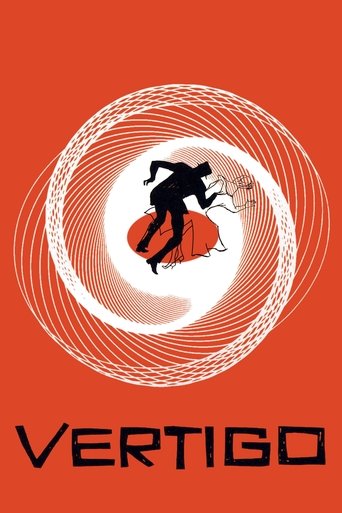
Vertigo (1958)
Another study of obsession and control in which a man tries to shape a woman, and one that uses film form to explore that psychology.

See what influenced it
Hiroshima Mon Amour (1959)
Resnais's film shows the modernist treatment of memory and love that lies behind Roeg's cutting.
Explore the era or movement
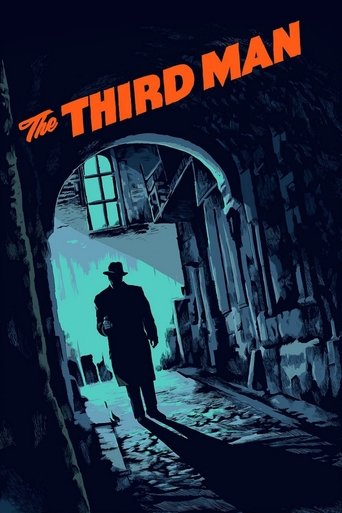
The Third Man (1949)
A classic Vienna thriller. Seeing the city here helps show how differently Roeg uses it as a psychological space.
Jump forward
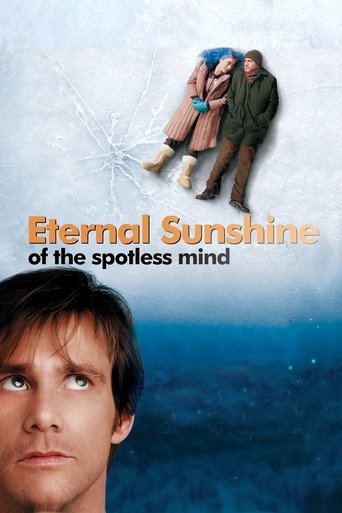
Eternal Sunshine of the Spotless Mind (2004)
A later, more romantic version of a love story pieced together out of sequence, showing how Roeg's structure became widely used.