Drama · War · Romance
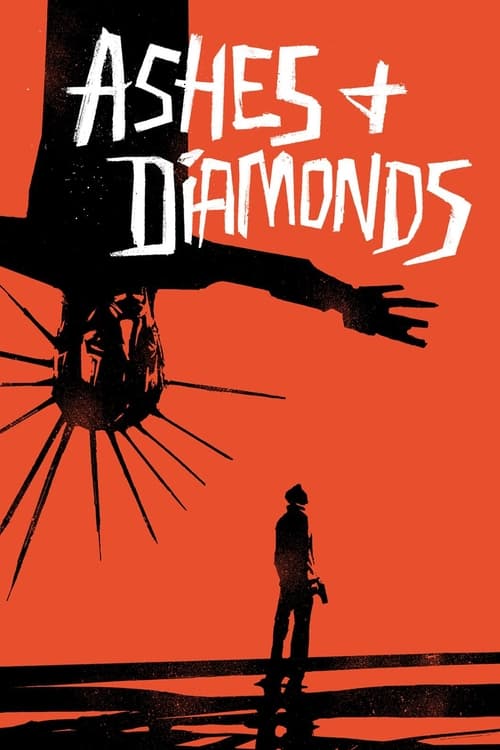
Ashes and Diamonds
Polish (Popiół i diament)
1958 · Directed by Andrzej Wajda · 103 min


Drama · War · Romance
Polish (Popiół i diament)
1958 · Directed by Andrzej Wajda · 103 min








Meaning, unpacked
Central idea
The film can be read as an inquiry into what loyalty costs when history changes the rules overnight: a young man trained to obey orders discovers a wish for an ordinary life just as the war that justified the orders is ending.
What it means
Ashes and Diamonds follows a young resistance fighter sworn to a killing. He botches it, meets a woman, and starts to want a different life. By dawn he is dead on a rubbish dump. But the film's real subject is what loyalty costs when history changes the rules overnight.
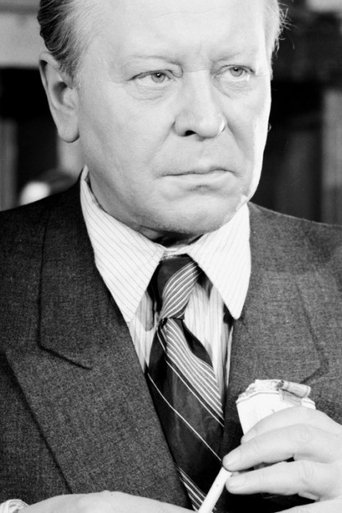
Maciek is trained to obey, and just as the war that justified those orders is ending, he discovers he might want an ordinary life. His oath pulls one way, his night with Krystyna the other, and the film never lets either side win cleanly. Nor is anyone pure: Szczuka, the Communist official, is dignified and weary, while some on the resistance side are rigid or opportunistic. The banquet, with its toasts and careerists circling new power, suggests a national moment can be a performance as much as a conviction.
Why it mattered
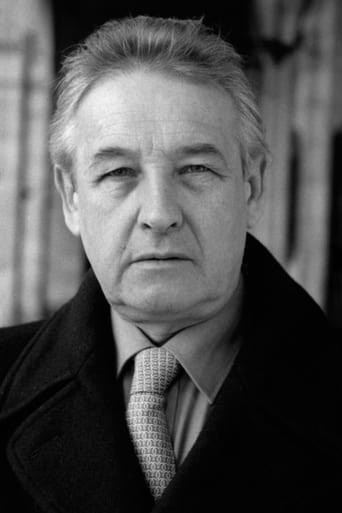
Wajda and the novelist Jerzy Andrzejewski, who wrote the 1948 book it adapts, squeezed the story into about a day and a night. That gives it the pressure of tragedy, with public events and private choices always colliding. Jerzy Wójcik's deep focus, low angles and hard contrasts turn ruined buildings and hotel interiors into expressive spaces, and candles, crucifixes, hanging laundry and fireworks make the setting a stage where history is acted out.
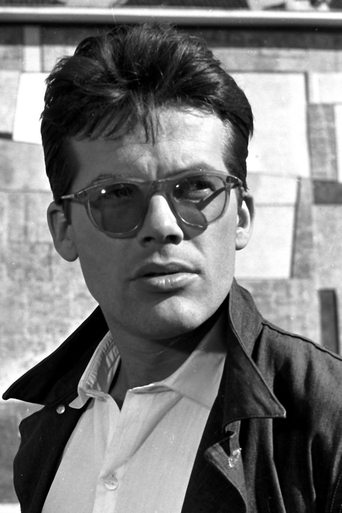
Zbigniew Cybulski gave cinema a new kind of hero. In place of a period uniform he wore tinted glasses and a casual jacket, and that modernity gave 1945 an urgency for audiences in 1958. It was also made inside Communist Poland, so calling it a simple anti-Communist statement is a myth. Its ambiguity showed that a film from a state-run system could treat a sensitive moment with symbolism and visual daring.
Before anyone tells you what to think: what did you make of it?
Log in to rate it and leave commentsIt takes one click with Google or an email link. You come straight back here.
Rate it, keep your notes, and find the next film.
Free, no ads. Your journal, your lists, a Cine Guide that remembers you.
Create your free spaceIn 1958 it drew large audiences in Poland and sparked debate over its sympathy for a young fighter and its murky politics. Abroad, critics praised its visual power and Cybulski's performance, and it confirmed Wajda's reputation after Kanal. It shaped Polish cinema's tradition of morally complex, politically charged storytelling, notably in Wajda's own Man of Marble and Man of Iron, and helped make the doomed, charismatic young outsider a lasting screen type.
Its reading has shifted with Poland's politics: first a daring look at a taboo subject, later a humanist tragedy of divided loyalties. Today it is the central title of Polish cinema and Wajda's best-known early work. The phrase "ashes and diamonds" has become Polish shorthand for the cost of sacrifice and the generation the war shaped, and Cybulski's dark glasses remain an iconic image.
What happens
Maciek kills Szczuka amid fireworks, though he now wants to live. At dawn, he runs from a patrol, is shot, and dies curled among white sheets on a rubbish dump. The order outlived the war that justified it.
The last image
Maciek lies dead on a rubbish dump, curled among white sheets hanging on a line.
What it says
The ending shows loyalty outlasting its reason: Maciek obeys just as he learns to want a life of his own. His quiet death, beside a banquet dancing the polonaise, asks you to notice what the peace cost.
Or follow an idea from this film
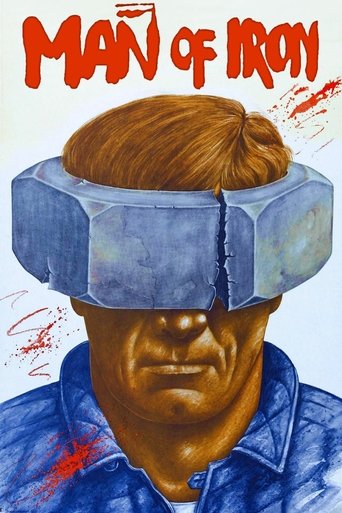

Continue the director
Man of Iron (1981)
Wajda's later political drama, set during the Solidarity period, shows how his questions about loyalty and national memory evolved over two decades.

Compare another approach
Odd Man Out (1947)
A wounded gunman wanders a city through one night after a political crime, offering a British parallel for the story of a fugitive and the people he meets.
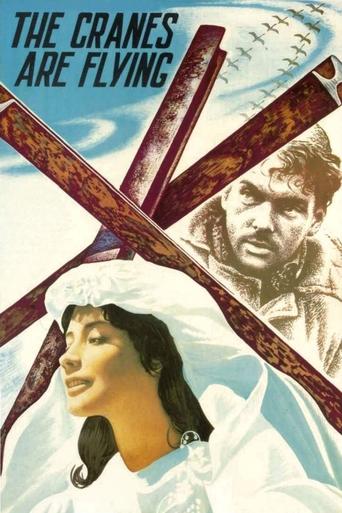
Explore the era or movement
The Cranes Are Flying (1958)
Released the same year in the Soviet Union, it also looks at war through young lives, with a more openly emotional style and its own post-Stalin freedom.

See what influenced it
Paisan (1946)
Rossellini's episodic look at the liberation of Italy shows the neorealist way of treating war's end through individual encounters, which Polish filmmakers took in a more symbolic direction.
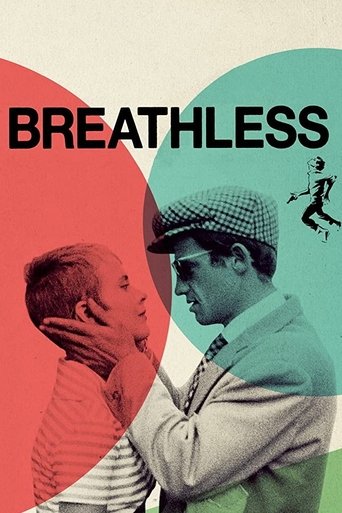
Follow the idea
Breathless (1960)
Another charismatic young man in sunglasses, living for the moment while forces beyond him close in, shows how the antihero type moved into the French New Wave.