Comedy · Drama
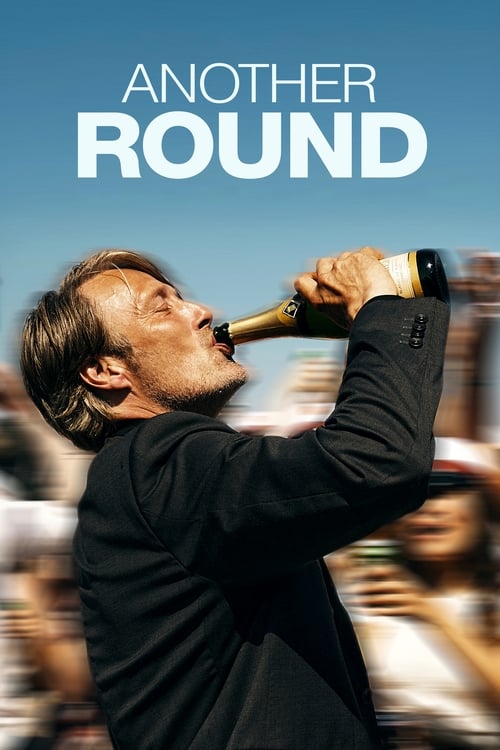
Another Round
Danish (Druk)
2020 · Directed by Thomas Vinterberg · 117 min


Comedy · Drama
Danish (Druk)
2020 · Directed by Thomas Vinterberg · 117 min







Meaning, unpacked
Central idea
The film explores what it takes to feel alive in middle age, and whether a chemical shortcut to spontaneity can replace the harder work of connection. It can be read as a defense of joy that also records its price.
What it means
At its heart, Another Round asks what it takes to feel alive in middle age, and whether a chemical shortcut to spontaneity can stand in for the harder work of connection. Martin is a history teacher who has gone numb. He is distant from his wife Anika and their sons, and his students say he has lost his spark. His friends Tommy, Peter and Nikolaj are stuck in the same routine. The experiment they start is less the cause of the story than a symptom of that numbness.
At first it works. Martin's classes come alive and he reconnects with his family. Then the men loosen the rules, his marriage cracks, and Tommy, who leaned on alcohol hardest, dies. The film never picks a side on drinking. It lets you feel both its freedom and its damage. It also shows men who can only be tender with each other while sharing an activity, and it asks who gives adults permission to live, and what happens when they must give it to themselves.
The ending settles in movement, not argument. Martin dances and leaps into the harbor, and the image freezes in mid-air. We never learn if he lands safely. We only learn that joy is real, that it costs something, and that someone has to choose to reach for it.
Why it mattered
Another Round belongs to post-Dogme Danish cinema. Thomas Vinterberg co-founded the Dogme 95 movement and made The Celebration. Here he and a once-rebellious generation of filmmakers turned to warmer, more polished human drama, and found a wide international audience. A leftover of that background is the handheld, close camera, which stays near faces and lets scenes run in long takes.
Before anyone tells you what to think: what did you make of it?
Log in to rate it and leave commentsIt takes one click with Google or an email link. You come straight back here.
Rate it, keep your notes, and find the next film.
Free, no ads. Your journal, your lists, a Cine Guide that remembers you.
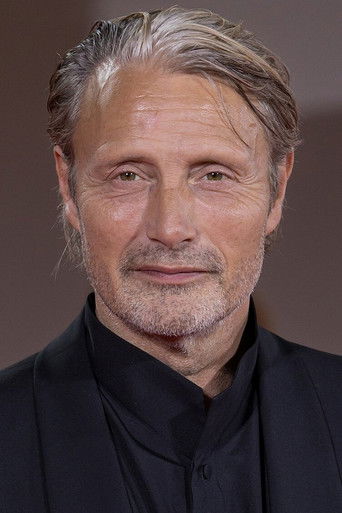
Create your free spaceIt also stood out for what it refused to do. It is neither a cautionary tale nor a party film, and Vinterberg has said he wanted to celebrate the pleasures of drinking as well as show its dangers. Mads Mikkelsen starts almost still and gradually loosens, and the comedy of drunkenness is played truthfully, not as slapstick. The script, by Vinterberg and Tobias Lindholm, keeps the dialogue plain and funny, so ideas never turn into a lecture.
The film was released in Denmark in September 2020 and widely shown at festivals after Cannes was cancelled. Reviews were strongly positive, praising Mikkelsen, the ensemble and the film's refusal to moralize. It won the Academy Award for Best International Feature, and Vinterberg was also nominated for Best Director. It raised the international profile of contemporary Danish cinema and of Mikkelsen's dramatic work, and an English-language remake was announced soon after its success.
Its reach went beyond cinemas. Mikkelsen's final dance, set to "What a Life", became the film's best-known image and was widely shared online. The film prompted discussion in Denmark and elsewhere about drinking culture, including the youth graduation rituals it shows. Today it is regarded as one of the strongest films of Vinterberg's career and a high point of recent Danish cinema. Debate about whether it glorifies drinking continues, which many viewers see as a sign of its balance.
What happens
After Tommy's death, the friends stop the experiment. At the graduation celebrations Martin joins the party, and a message from Anika leaves reconciliation possible. He dances, then leaps into the harbor. It reveals that he is choosing to live, not being rescued.
The last image
Martin leaps from the quay into the harbor, and the image freezes with him in mid-air.
Two readings
What it says
The film ends in movement, not argument, because it never settles the question of drinking. Joy is real and it costs something. The freeze-frame leaves the choice with Martin, and with you.
Or follow an idea from this film

Continue the director
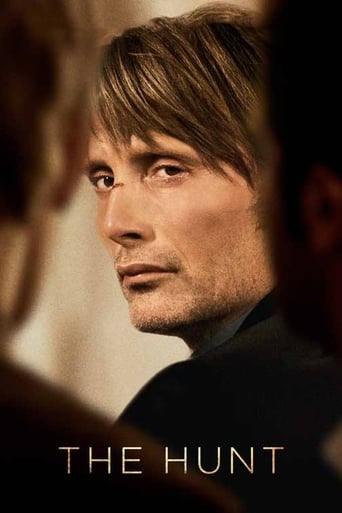
The Hunt (2012)
Vinterberg's earlier collaboration with Mikkelsen, a tense drama about a teacher in a small community. It shows the same actor in a very different register.

Compare another approach
The Lost Weekend (1945)
Billy Wilder's alcoholism drama is a useful contrast. It is a harsh warning, where Another Round is a more open-minded portrait.

Explore the era or movement
Babette's Feast (1987)
An earlier Danish Oscar winner that also treats food and drink as a route to joy and community. It makes a gentler counterpart.
Follow the idea
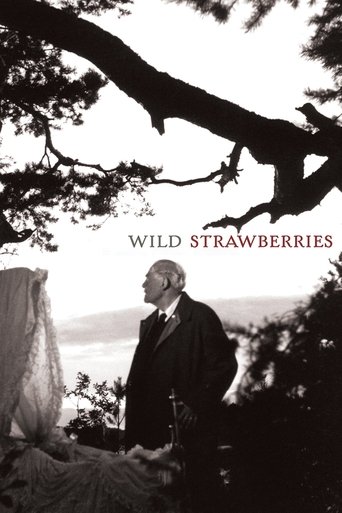
Wild Strawberries (1957)
Bergman's portrait of a man reckoning with the life he has led. It is the Nordic template for midlife self-examination.
Follow the idea
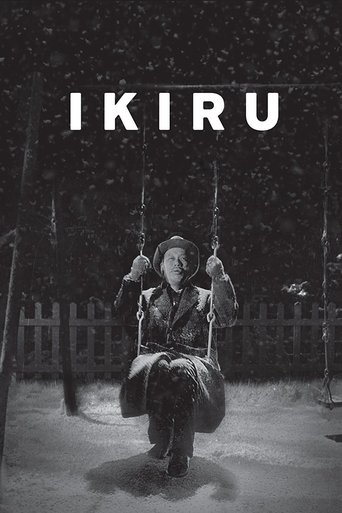
Ikiru (1952)
Kurosawa's story of a man jolted out of a numb existence parallels Another Round's question of how to feel alive.