Drama · History
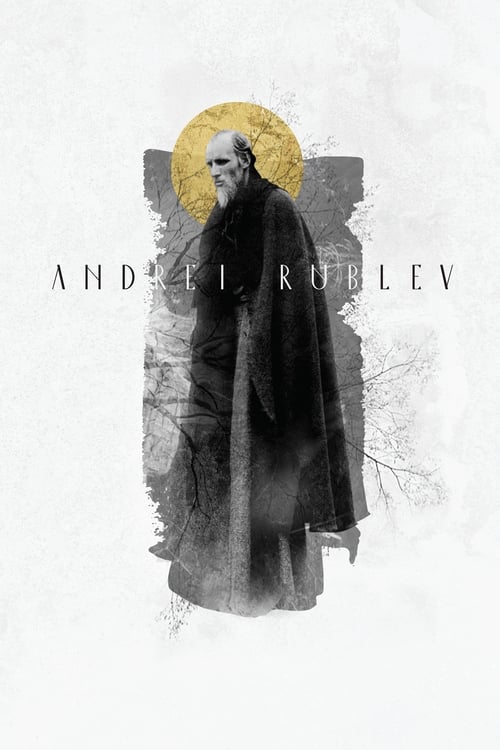
Andrei Rublev
Soviet (Андрей Рублёв)
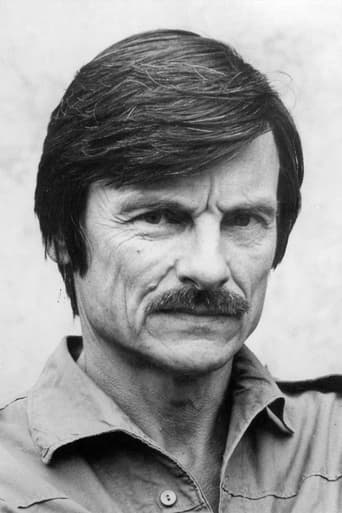
1966 · Directed by Andrei Tarkovsky · 183 min


Drama · History
Soviet (Андрей Рублёв)
1966 · Directed by Andrei Tarkovsky · 183 min






Meaning, unpacked
Central idea
The film can be read as an inquiry into how art can arise from suffering and doubt. Rublev is shaped by what he sees, and the film suggests that faith and creative work are earned by experience rather than inspiration.
What it means
You have just seen a film about a painter in which you hardly see him paint. That is the first clue. Andrei Tarkovsky's central idea is that art is earned, not simply inspired. Rublev is shaped by what he sees, and the film suggests that faith and creative work grow out of suffering and doubt. Beauty doesn't float above history here. It has to be paid for.
The film keeps asking whether it is justified to create beauty when people nearby are suffering. The Raid, the sack of Vladimir, is its moral centre, and it forces Rublev into an act that changes how he understands his calling. Faith is tested by cruelty and by the failures of the church and the powerful, not offered as comfort. Then comes the Bell: a young man claims a secret he doesn't have, and creation becomes shared labour, fear and risk, a quiet rebuke to the lonely genius. A bell, like an icon, may come from a lie, a gamble and a great deal of fear. The beauty is real anyway.
Why it mattered
Tarkovsky showed that a screen biography could drop plot and dramatic arcs and still hold an audience. Instead of a hero's rise, you get a prologue, eight loosely linked episodes and an epilogue, each with its own place, date and cast. Meaning builds by accumulation, and Rublev is sometimes barely present, which is the point. Its medieval Russia is muddy, lived in and unsentimental, not staged as pageantry.
It is also where Tarkovsky's mature style appears: long takes, elemental imagery and spiritual ambition. Vadim Yusov's black-and-white photography uses depth, mist and camera movements that follow people through a space, and the final switch to colour shows the paintings as the result of everything you have lived through. At home, officials objected to the violence, the religious subject and the unheroic view of Russian history. The film was held back and edited, reached Cannes in 1969 outside the main competition, and won the FIPRESCI Prize.
Before anyone tells you what to think: what did you make of it?
Log in to rate it and leave commentsIt takes one click with Google or an email link. You come straight back here.
Rate it, keep your notes, and find the next film.
Free, no ads. Your journal, your lists, a Cine Guide that remembers you.
Create your free spaceIts long takes, elemental imagery and spiritual seriousness shaped later filmmakers such as Béla Tarr and Alexander Sokurov, and strengthened the idea of the historical film as meditation rather than spectacle. Many viewers first met early Russian icon art through that colour epilogue, in a state that discouraged religion. Its story of a painter caught between rulers and conscience was widely read as a parable of the artist in Soviet society.
Its reputation has grown steadily. It is now seen as one of the most important films of the 1960s and a landmark of Russian cinema, and it is commonly studied in film courses and in teaching on Russian history and art. The fuller cuts are valued because they let the structure work as Tarkovsky intended. Critics abroad recognised a major new voice back in 1969, though some found the pace and violence demanding.
What happens
Boriska's bell rings true, though he admits he never had his father's secret. Moved by his courage, Rublev ends his vow of silence and says they will work together. The film then shows his real icons in colour.
The last image
Horses stand quietly in the falling rain, after the colour images of Rublev's paintings.
What it says
Beauty can come from a lie, a gamble and great fear, and it is real anyway. Rublev returns to art through someone else's risk, not private inspiration. The colour icons show the result of everything he has endured.
Or follow an idea from this film

Continue the director
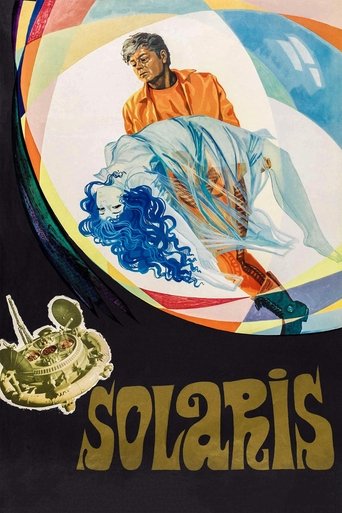
Solaris (1972)
Tarkovsky's science-fiction film keeps his slow, philosophical style and moves it from medieval Russia to space, showing how consistent his concerns were.
Compare another approach
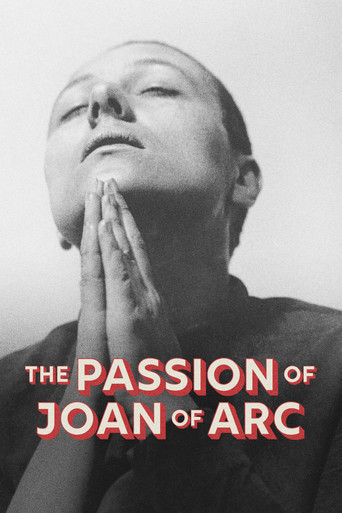
The Passion of Joan of Arc (1928)
Another study of faith, suffering and cruelty, built on faces and physical detail instead of conventional narrative.
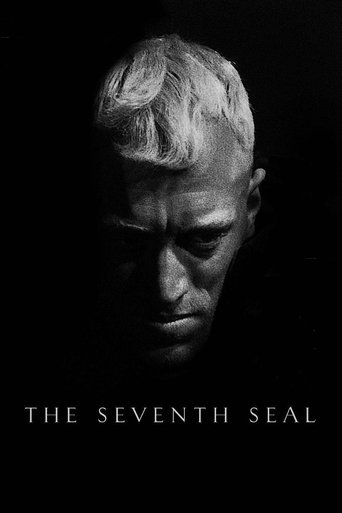
Explore the era or movement
The Seventh Seal (1957)
Bergman's medieval allegory also asks how to live with faith and doubt in a violent age, in a different, more stylised register.
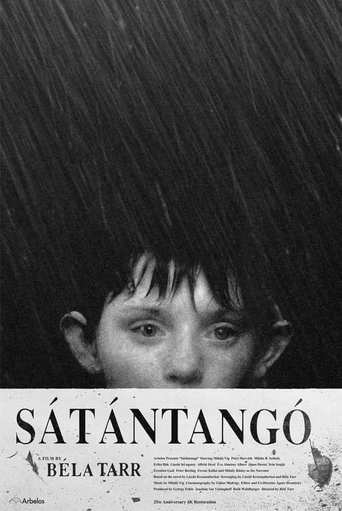
See its influence
Satantango (1994)
Béla Tarr's long-take, mud-and-rain epic shows how far Tarkovsky's methods could be pushed.
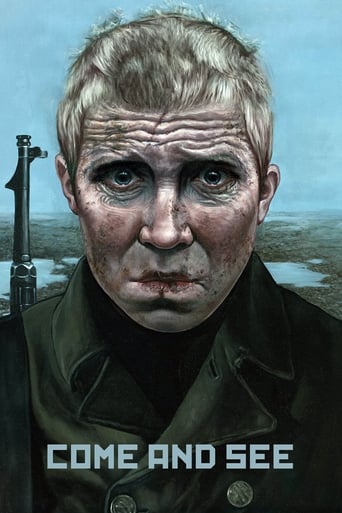
Follow the idea
Come and See (1985)
A Soviet film in which history's violence is felt through one witness, taking Tarkovsky's concern with endurance into the Second World War.