Thriller · Mystery · Crime
Anatomy of a Fall
French (Anatomie d'une chute)
2023 · Directed by Justine Triet · 151 min


Thriller · Mystery · Crime
French (Anatomie d'une chute)
2023 · Directed by Justine Triet · 151 min






Meaning, unpacked
Central idea
The film is about how a story of what happened is assembled from fragments, and how a marriage becomes legible, or distorted, once strangers interpret it. The film can be read as a trial of a relationship as well as a death.
What it means
Sandra is put on trial after her husband Samuel dies in a fall at their home, and their son Daniel becomes the witness who matters most. The film never tells you what really happened. That is the point. Justine Triet gives you the same incomplete evidence as the court and leaves you to live with the gap.
The central idea is how a story gets assembled from fragments. Recordings, testimony, expert reports and even novels compete to explain the same events, and facts only become meaning once someone tells them as a story. It is also a trial of a marriage. A private quarrel becomes public evidence, damning and ambiguous at once, and Sandra is judged for her sexuality, her success and her coldness almost as much as for the facts. She is German, speaking English at home and French in court, so being an outsider in a system built on words limits how she can defend herself. Daniel's testimony asks what a child owes the truth, and what he owes the parent he will keep. And the verdict is only the end of one story; the family still has to live with the others.
Why it mattered
In an age of franchises and streaming, this was a long, talky, multilingual courtroom drama that brought the adult trial film back to the centre of international art cinema. Triet and her co-writer Arthur Harari built it as a puzzle of competing accounts, with exact dialogue where each person stresses what suits them, and that shows you who they are.
The craft invites you to judge. The camera stays close and unshowy, lingering on faces so you behave like a juror, scanning for lies. The editing moves between the private house and the public courtroom, so you weigh scenes as testimony rather than plain reality. With no credited composer, the film uses found sound and a few chosen pieces, so evidence is often heard before it is understood. Think of the loud steel-drum cover of a 50 Cent song that interrupts the opening interview.
Before anyone tells you what to think: what did you make of it?
Log in to rate it and leave commentsIt takes one click with Google or an email link. You come straight back here.
Rate it, keep your notes, and find the next film.
Free, no ads. Your journal, your lists, a Cine Guide that remembers you.
Create your free spaceThe film premiered in competition at Cannes in 2023 and won the Palme d'Or, making Triet the third woman to take it. Critics praised Sandra Hüller's performance and the script's intelligence. Triet used her speech to criticise the French government's pension reforms and its approach to culture, and the culture minister publicly replied. At the Oscars it had five nominations, including Best Picture, Best Director, Best Actress and Best Film Editing, and won Best Original Screenplay. Hüller lost to Emma Stone for Poor Things.
It raised the profile of Triet, Harari and Hüller internationally and showed that an intimate, performance-led legal drama could reach a wide audience. Today it is treated as one of the defining films of the early 2020s and a standard comparison for later trial films. Its refusal to settle Sandra's guilt keeps people arguing about how a marriage, a woman's career and her sexuality are judged in court. For a very different Hüller, try Toni Erdmann.
What happens
Sandra is acquitted after Daniel testifies that his father may have been thinking of suicide. The film never shows what really happened. Home again, Sandra and Daniel face what the trial has cost them.
The last image
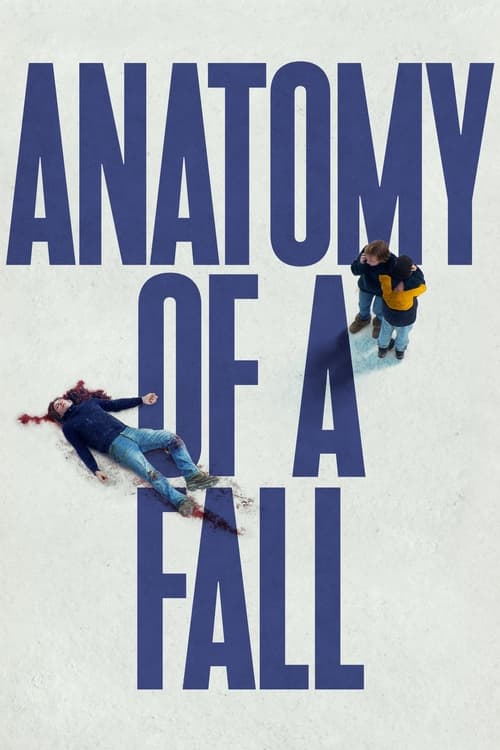
Night falls on the chalet as Daniel asks his mother to stay with him.
Three readings
What it says
The film cares less about who caused the fall than about how stories are built from fragments. The verdict ends the legal case but not the family's. Daniel's choice shows that trust is something people decide to give.
Or follow an idea from this film

See what influenced it
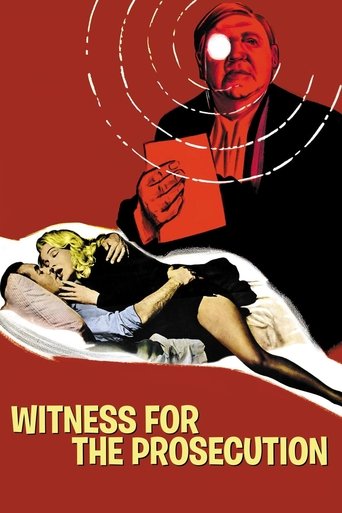
Witness for the Prosecution (1957)
A more theatrical and twist-driven trial film, useful for seeing how Triet keeps the courtroom mechanics but moves toward psychology and performance.
Follow the idea
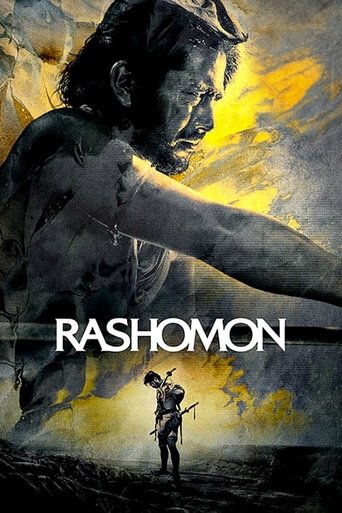
Rashomon (1950)
The foundational film about how competing accounts shape what we think happened, and a natural companion to Triet's trial structure.
Compare another approach
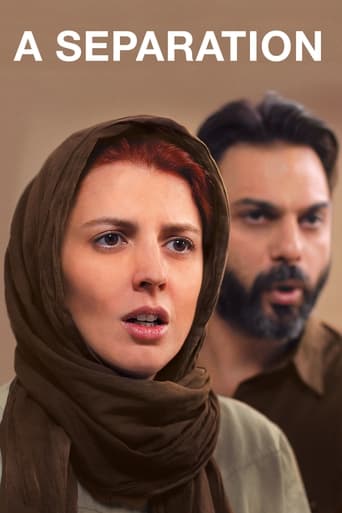
A Separation (2011)
Asghar Farhadi's drama also mixes a marriage, a legal process and a child who must decide what to say, using moral complexity in place of easy answers.
Explore the era or movement
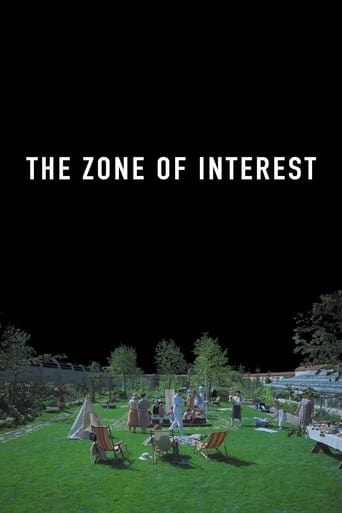
The Zone of Interest (2023)
Released the same year with Sandra Hüller in the lead, it shows a very different, formally radical side of recent European art cinema.