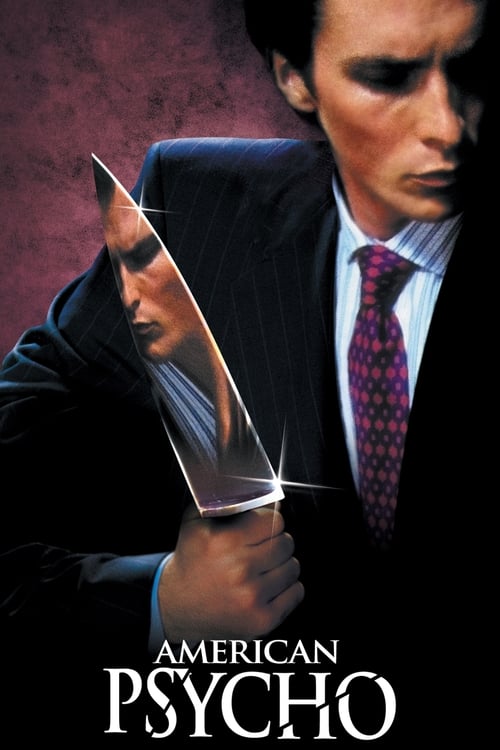
Thriller · Drama · Crime
American Psycho
American
2000 · Directed by Mary Harron · 102 min


Thriller · Drama · Crime
American
2000 · Directed by Mary Harron · 102 min












Meaning, unpacked
Central idea
The film is about identity as a performance of consumption. In a world where status is measured by labels, cards and reservations, a person can become so empty that nobody checks who he is, and the film can be read as asking whether that emptiness is the real horror.
What it means
Patrick Bateman is a polished young man in a world of money and status. He may be a killer. When he finally confesses, nobody takes it in. That last beat is the key to the film: this is about identity as a performance of consumption, where a man can become so empty that nobody ever checks who he is. The film quietly asks whether that emptiness is the real horror.
Status here is measured in labels, business cards and restaurant reservations, so the men judge one another by tailoring, cards, faces and tables. Colleagues keep confusing each other, and the joke slowly turns disturbing. These men are so alike and so self-absorbed that individuality has almost vanished. Their rivalry over tiny details is the film's version of power, and violence is where that insecurity ends up. Whether it all really happens is left open on purpose.
Why it mattered
On the page, this was a notorious novel. Mary Harron and co-writer Guinevere Turner kept its satirical voice and consumer detail, but cut and reshaped its most extreme violence. The result is often funnier and more controlled than the source. They used the horror-comedy of manners to criticise a social class rather than simply to shock.
Harron's cool, observational camera lets the absurdity grow from straight-faced staging. The film is funny because it never signals that it is joking. Christian Bale, whom Harron held out for when the studio pursued Leonardo DiCaprio, plays Bateman with an over-friendly smile and an absence behind it. That gap is both the humour and the unease. Harron has said a female filmmaker's detached view helped: it looks at these men from outside, with amusement and disdain.
Before anyone tells you what to think: what did you make of it?
Log in to rate it and leave commentsIt takes one click with Google or an email link. You come straight back here.
Rate it, keep your notes, and find the next film.
Free, no ads. Your journal, your lists, a Cine Guide that remembers you.
Create your free spaceReception at the time was divided but largely positive. Critics praised Bale and Harron's grip on tone, though some viewers were uncomfortable with the violence, and the novel's reputation shaped much of the early talk. It was not a major box-office hit. It helped set the template for the ironic, unreliable narrator as monster in later satires of wealth, masculinity and status.
Its standing has grown steadily. Today it is seen as a sharp, funny critique of 1980s greed and a key film of its decade. Bateman has become internet shorthand, and his morning routine, the business card scene and the "Hey Paul" sequence are endlessly remixed. Some edits use him without irony, which is the very reading the film mocks. The film is also no glorification: it invites you to ridicule him. Perhaps the most unsettling thing is how easily the joke gets missed.
What happens
Bateman confesses his murders to his lawyer by phone, then finds the apartment cleaned and for sale. The lawyer laughs it off, mistaking him for someone else. Nothing is punished, nothing is released, and he stays exactly as empty as before.
The last image
Bateman sits among his colleagues, his confession ignored and his emptiness unchanged.
Two readings
What it says
The film's target is not one man but a world too self-absorbed to notice anyone. Bateman's confession changes nothing because nobody is really looking. The ending denies you catharsis, so the emptiness is the horror, whichever reading you choose.
Or follow an idea from this film
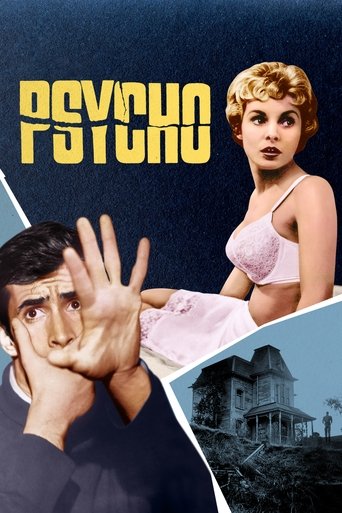

See what influenced it
Psycho (1960)
Hitchcock's landmark shows the polite killer and the shock structure that American Psycho both borrows from and satirises.
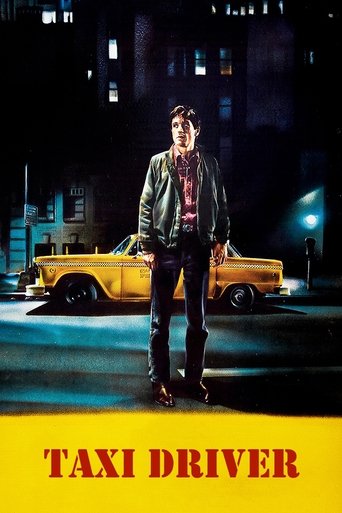
Compare another approach
Taxi Driver (1976)
Another lonely New York narrator, but treated as tragedy rather than comedy. Comparing the two shows how tone changes what a similar character means.
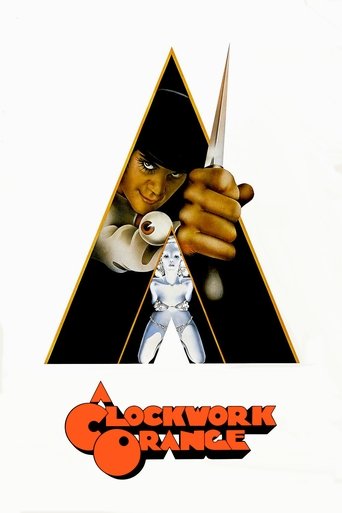
Follow the idea
A Clockwork Orange (1971)
A stylised satire in which an articulate, charming narrator and ironic music create discomfort about the pleasure of watching violence.
Explore the era or movement
Fight Club (1999)
A close contemporary that also critiques consumer-driven masculinity through an unreliable narrator, with a very different resolution.
Jump forward
The Wolf of Wall Street (2013)
A later, louder look at financial excess that shows how the satirical approach to money and masculinity continued.