Comedy · Drama
American Graffiti
American
1973 · Directed by George Lucas · 112 min


Comedy · Drama
American
1973 · Directed by George Lucas · 112 min









Meaning, unpacked
Central idea
The film is about the moment just before adulthood, when the future is open but frightening. The one-night structure turns a goodbye to youth, to a town and to a particular era into the thing everyone is quietly dreading and desiring.
What it means
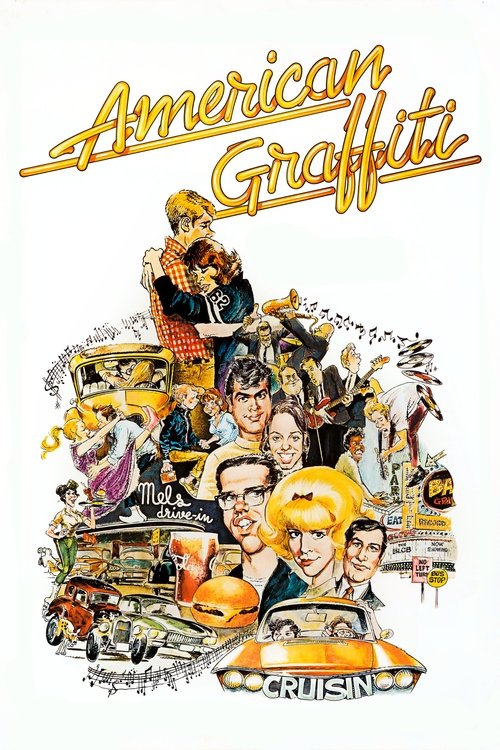
It's one night in 1962, with a handful of friends, a town full of cars and a radio that never stops. Curt isn't sure he wants to leave for college, and the night tests everyone's feelings about staying or going. That's all the plot you need.
What matters is what the film does with it. This is the moment just before adulthood, when the future is wide open and frightening. The night becomes a goodbye to youth, to a town and to an era. Much of the humour comes from people performing a confidence they don't have, especially the boys. The dances, pranks and drag race work as small trials, and the cars carry meaning too. They signal status, freedom and masculinity. The ending turns the party into a memory, and that's where the film leaves you.
Why it mattered
When it came out, a small, personal, youth-oriented film became a very large hit compared with its modest budget. It showed that this kind of story could be a major success, and it made George Lucas a bankable director.
The way it was made felt fresh. Dozens of existing rock and roll records play as if from the town's car radios, and Lucas and sound designer Walter Murch used them to bind four separate stories into one shared night. Real locations and practical lighting gave it a grainy, neon-lit, almost documentary look. The young cast felt natural, and the dialogue sounds overheard rather than written.
Before anyone tells you what to think: what did you make of it?
Log in to rate it and leave commentsIt takes one click with Google or an email link. You come straight back here.
Rate it, keep your notes, and find the next film.
Free, no ads. Your journal, your lists, a Cine Guide that remembers you.
Create your free spaceIts success paved the way for Star Wars. Its nostalgic teen ensemble and pop-song soundtrack shaped the revival of the 1950s and 60s, the TV series Happy Days, and later films such as Dazed and Confused. The jukebox approach to scoring became a widely imitated model.
It got five Academy Award nominations, including Best Picture and Best Director, but won none. Today it's seen as a defining 1970s film and a model of the nostalgia genre. People value it as much for its melancholy as for its comedy, and its ensemble, music and ending are often cited as more complex than the cheerful surface suggests.
What happens
At dawn Curt flies out to college, and from the plane he sees the white Thunderbird below. Captions then reveal what became of the four boys: one missing in Vietnam, one killed by a drunk driver, one a writer, one an insurance salesman.
The last image
Curt looks down from his plane at the white Thunderbird, the glimpse of the blonde he spent the night chasing.
What it says
The captions turn a warm night of comedy into a memory. The innocence you enjoyed had a date on it, and the film lets you love 1962 while knowing it could not last. The party was always a goodbye.
Or follow an idea from this film

See its influence
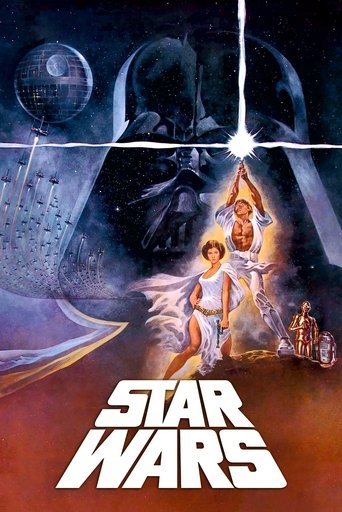
Star Wars (1977)
The film Lucas was able to make because of this success, with a different genre but a similar love of machines, youth and mythic small-town restlessness.
Compare another approach
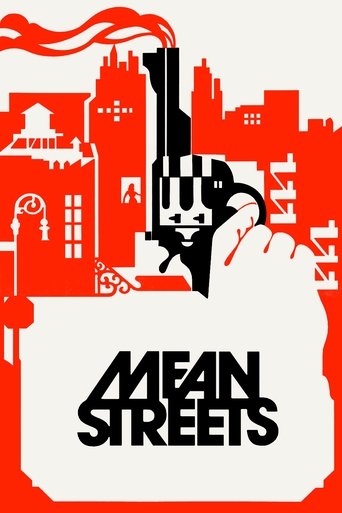
Mean Streets (1973)
Released the same year, Scorsese's film also uses a pop-song soundtrack and young friends in a closed neighbourhood, but with a darker, more violent tone.
Continue the director
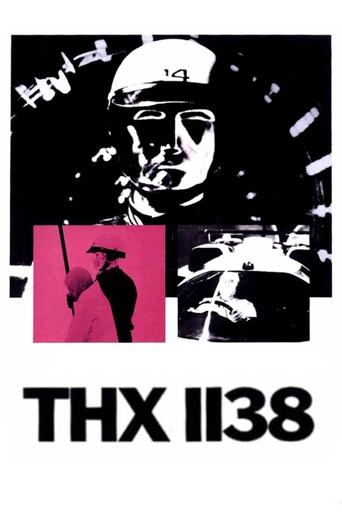
THX 1138 (1971)
Lucas's first feature is cold and dystopian, a sharp contrast that shows how much his range and his approach changed in two years.

Explore the era or movement
Badlands (1973)
Another 1973 debut about young Americans and the open road, with a very different, dreamlike view of youth and the 1950s.
Follow the idea
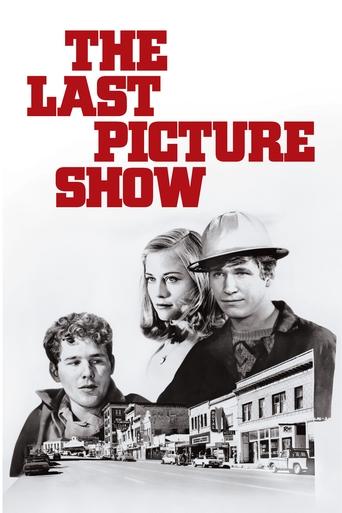
The Last Picture Show (1971)
A bleaker, black-and-white portrait of small-town teenagers at the end of an era, which makes a useful contrast with Lucas's warmth.