Drama · History · Music
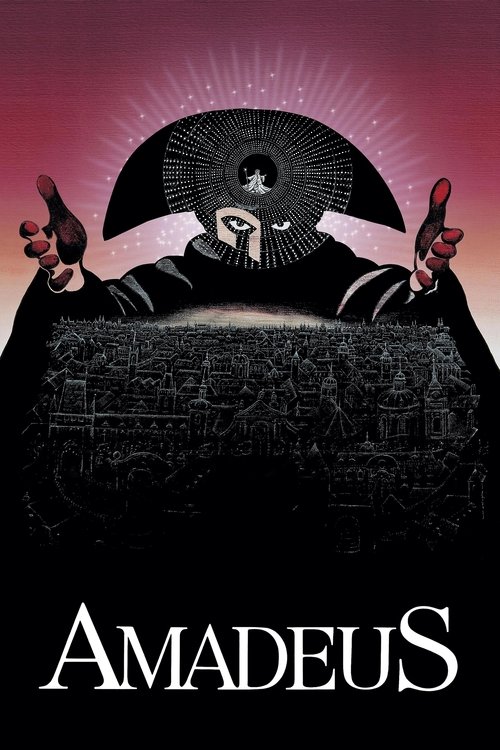
Amadeus
American
1984 · Directed by Miloš Forman · 160 min


Drama · History · Music
American
1984 · Directed by Miloš Forman · 160 min








Meaning, unpacked
Central idea
The film is about envy as a spiritual wound: a man with enough talent to recognise genius, and not enough to match it, turns that recognition into a quarrel with God. It can be read as a story about mediocrity itself.
What it means
Amadeus is told as a confession. An old Antonio Salieri recalls meeting the young Mozart, hearing in him a gift from God, and setting out to ruin him. What matters is what the film does with that confession.
At its heart is a particular kind of envy. Salieri has just enough talent to recognise genius, and not enough to match it, so envy becomes a form of understanding: he is the one person who truly hears what Mozart has done, and that is exactly what hurts him. Mozart is vulgar and careless, Salieri pious and disciplined, and the rivalry turns into a quarrel with heaven. Why do gifts seem unrelated to merit, and who decides? Keep in mind that one man is telling it, so both portraits are coloured by his need to be understood. There is no evidence Salieri poisoned Mozart. And the film closes with a strange mercy: Salieri, wheeled through the asylum, absolves all the mediocre.
Why it mattered
In the 1980s, Amadeus became a landmark of the prestige costume drama and a turning point for the composer biopic. It replaced the reverent plaster saint with a flawed, funny, physical human being. Miloš Forman's overlapping, naturalistic, lightly comic touch made the eighteenth century a messy social world rather than a pageant.
It also treated music as action. The score was recorded before shooting, and the actors performed to it, so the camera could cut precisely to hands, batons and singers. Conducting and listeners' faces became drama. You feel it in the ensemble finale of Act Two of Figaro, where many voices overlap, and in the Requiem dictation, two men working through the night. Even a viewer with no interest in opera can feel what Salieri hears.
Before anyone tells you what to think: what did you make of it?
Log in to rate it and leave commentsIt takes one click with Google or an email link. You come straight back here.
Rate it, keep your notes, and find the next film.
Free, no ads. Your journal, your lists, a Cine Guide that remembers you.
Create your free spaceThe response was warm. Audiences and critics loved its energy, performances and music, and it won eight of its eleven Oscar nominations, including Best Picture, Best Director, and Best Actor for F. Murray Abraham. Some historians and Mozart scholars objected to its liberties with the rivalry, and that debate has never quite gone away.
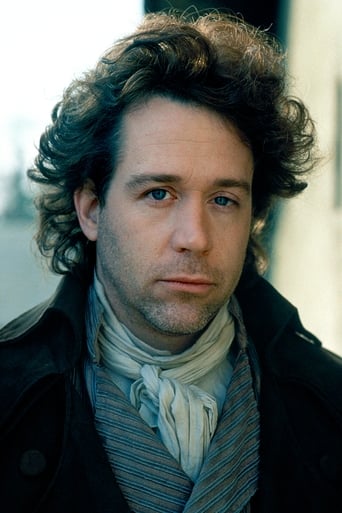
Its reach was wide. Tom Hulce's giggling, irreverent Mozart shaped the popular image of the composer for a generation. The soundtrack sold widely and brought pieces like the Piano Concerto No. 20 and the Requiem to listeners far from the concert hall. "Salieri" now means a gifted figure overshadowed by a genius, which has prompted debate over how fairly the real man has been remembered. The film also helped set the template for the biopic as a psychological drama about creativity and rivalry. Today it remains many people's first introduction to Mozart.
What happens
Back in the asylum, Salieri finishes his confession to the young priest. He admits he did not kill Mozart, only ruined him, and now calls himself the patron saint of mediocrities, absolving every inmate as Mozart's laugh echoes.
The last image
Wheeled through the asylum corridors, Salieri blesses the inmates while Mozart's laugh rings out over the soundtrack.
What it says
Salieri cannot beat God, so he takes the side of ordinary people who must live beside genius. The ending is a bitter mercy, and the laugh shows Mozart still has the last word.
Or follow an idea from this film

Continue the director
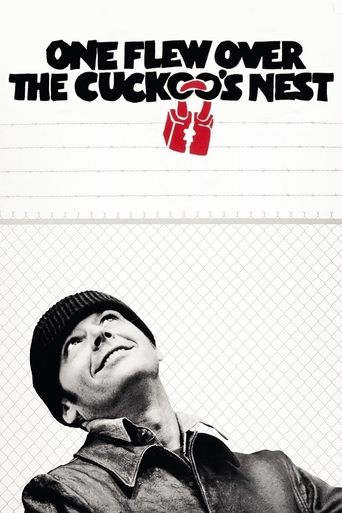
One Flew Over the Cuckoo's Nest (1975)
Forman's other Best Picture winner. Compare how he stages a charismatic rebel against an institution, and how performance drives both films.

Compare another approach
Barry Lyndon (1975)
Another long, meticulous eighteenth-century drama, but cooler and more detached. It shows a very different approach to period reconstruction.
Follow the idea
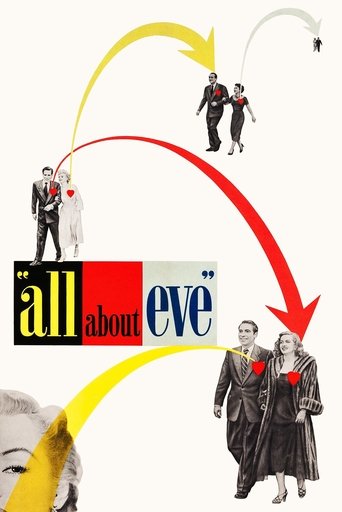
All About Eve (1950)
A sharp study of admiration curdling into envy among performers, with a narrator-like structure and a world where talent and ambition collide.
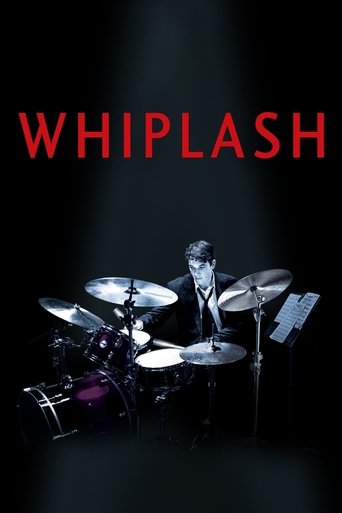
Jump forward
Whiplash (2014)
A modern music drama about a gifted student and a ruthless teacher, with an intense focus on perfection and its costs.