Drama
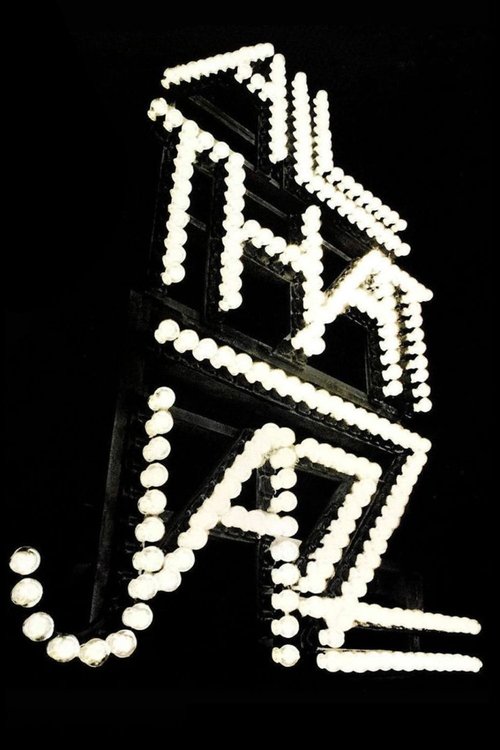
All That Jazz
American
1980 · Directed by Bob Fosse · 123 min


Drama
American
1980 · Directed by Bob Fosse · 123 min


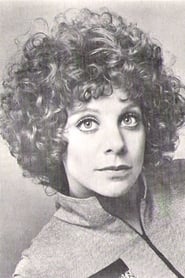


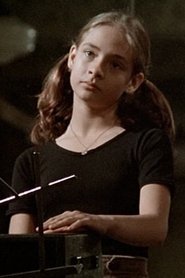
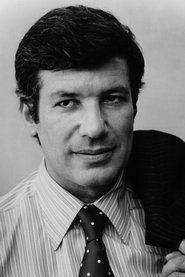

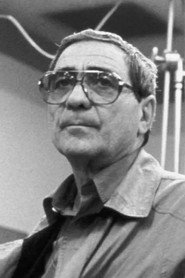


Meaning, unpacked
Central idea
The film can be read as Fosse's examination of how art, ego and appetite feed on each other. Joe's perfectionism produces brilliant work and damages everyone near him, and the film turns his own end into a showbiz spectacle.
What it means
Joe Gideon cuts a film by day and rehearses a Broadway musical by night, until his body gives out and he imagines his own death as a show. At its heart, the film is about how art, ego and appetite feed on each other. Joe's perfectionism produces brilliant work, and it damages everyone near him.
Watch the morning ritual: pills, eye drops, Vivaldi, the mirror, then "It's showtime, folks!" Each time it returns, Joe looks a little worse. Work becomes his way of not feeling anything and not facing anyone. His ex-wife, his girlfriend and his daughter all love him, and they see straight through him. His charm keeps them close, and his infidelities and neglect keep hurting them. The film also asks whether a performer can ever stop performing, even at the end, and it knows it is both confessing and flattering.
Why it mattered
Bob Fosse made his most personal film here, after his unmatched 1973, when he won an Oscar for Cabaret, a Tony for Pippin and an Emmy for Liza with a Z. In 1974 he had a heart attack while rehearsing Chicago and editing Lenny, then had open-heart surgery. Joe's double life between editing room and rehearsal hall is closely based on that, though Fosse invented, compressed and exaggerated. The ending is imagined, since he lived until 1987.
It pushed the musical into adult, psychological territory. Song and dance carry guilt, desire and fantasy, not just joy. Fosse borrowed the interwoven reality, fantasy and angel conversations from Fellini's 8½, swapping its poetry for a harder, more cynical backstage tone. Alan Heim's Oscar-winning editing, with its repeated images and sharp cuts, works like choreography. The film is about editing, and its cutting-room scenes mirror its whole structure.
Before anyone tells you what to think: what did you make of it?
Log in to rate it and leave commentsIt takes one click with Google or an email link. You come straight back here.
Rate it, keep your notes, and find the next film.
Free, no ads. Your journal, your lists, a Cine Guide that remembers you.
Create your free spaceYou can trace the film forward to later stories about driven artists and fantasy-filled musicals, from Dancer in the Dark to Birdman. Its hard, ironic Fosse style also fed the revival of Chicago. The opening audition, cut to George Benson's "On Broadway," is still widely shown in dance and musical theatre circles and fixed an image of the dancer's life as exhausting and competitive. Joe's morning ritual became shorthand for workaholism, and the finale shaped how people talk about death and spectacle.
Reviews at the time were divided but strong. Many praised the energy, the editing and the nerve of the ending, while some found it self-absorbed. It earned nine Oscar nominations and four wins, for art direction, costume design, film editing and scoring adaptation, and it shared the 1980 Palme d'Or at Cannes with Kagemusha. Its reputation has only grown. It is now seen as one of the great films about creative obsession and the strongest autobiographical musical.
What happens
Joe's heart fails after surgery, and in a fantasy number, "Bye Bye Life," he stages his own death as a variety show for family, lovers and colleagues. He is zipped into a body bag and embraces Angelique, death.
The last line
"That's all, folks!"
What it says
Joe cannot stop performing, even facing death, so the film lets him turn his end into spectacle. Fosse had survived his own heart attack, so the ending is imagined. It confesses and flatters at once, and you applauded.
Or follow an idea from this film
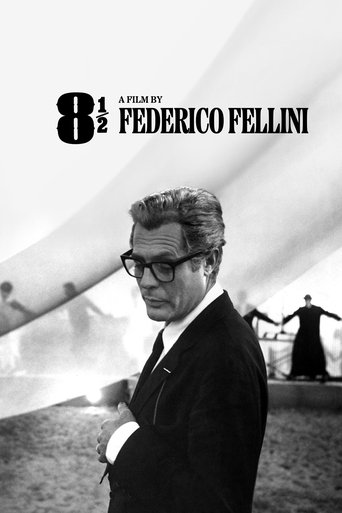

See what influenced it
8½ (1963)
The model for the film's structure. Seeing Fellini's original shows what Fosse borrowed and how differently he handled the same idea of an artist in crisis.
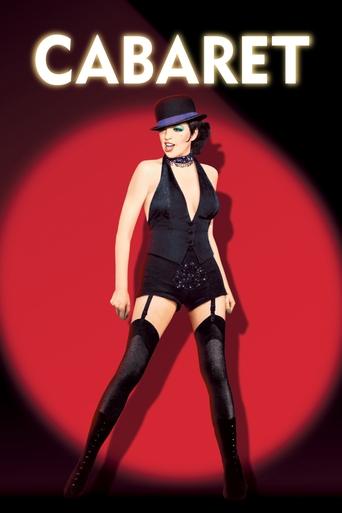
Continue the director
Cabaret (1972)
Fosse's other landmark musical, in which songs comment on the story. It shows his style at its most controlled and political.
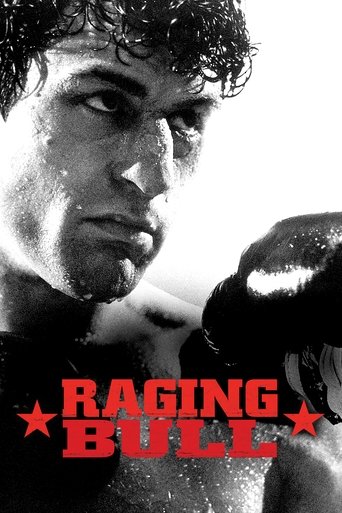
Compare another approach
Raging Bull (1980)
Released the same year, it is another brilliant, self-destructive protagonist portrait that is both a confession and a study of violent compulsion.
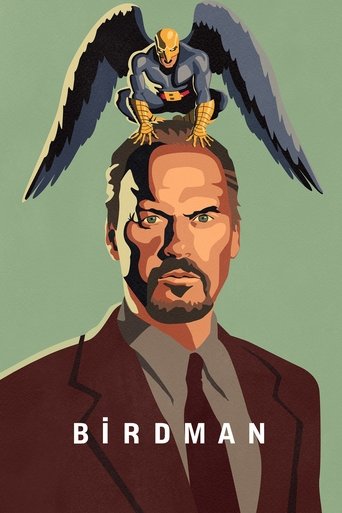
Jump forward
Birdman or (The Unexpected Virtue of Ignorance) (2014)
A later story of an ageing performer facing his legacy, with a similar blend of theatre backstage drama and surreal fantasy.
Follow the idea
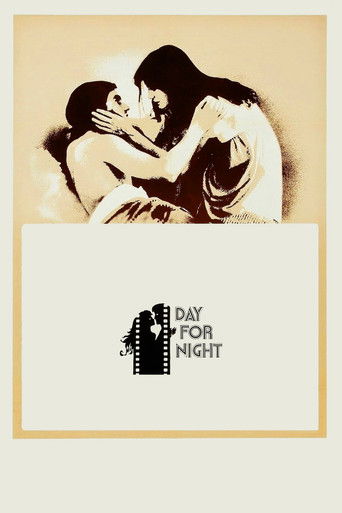
Day for Night (1973)
Truffaut's affectionate film about filmmaking offers a warmer view of the artist's obsession with the work.