Horror · Science Fiction
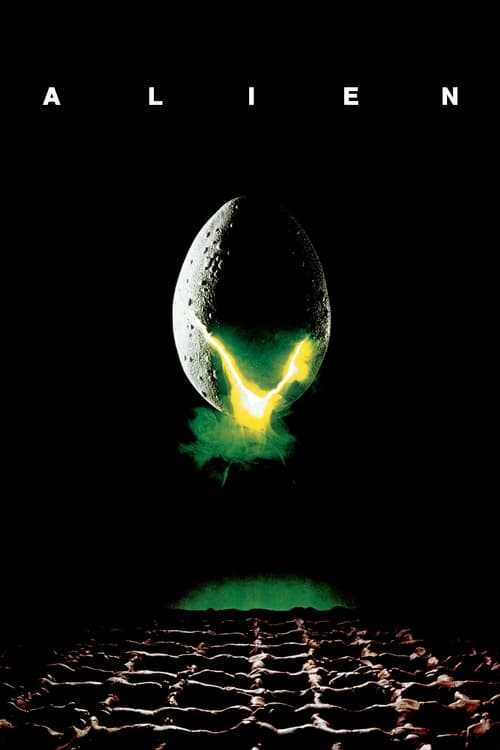
Alien
American
1979 · Directed by Ridley Scott · 117 min


Horror · Science Fiction
American
1979 · Directed by Ridley Scott · 117 min










Meaning, unpacked
Central idea
Alien explores vulnerability: human beings as workers, bodies and expendable assets inside systems that value something else. The film can be read as a story about corporate indifference, fear of the body, and the limits of control.
What it means
A tired crew answers a signal and brings something aboard that picks them off one by one. You know the story. What matters is what Alien does with it. At heart, this is a film about vulnerability: workers, treated as bodies and expendable assets inside systems that value something else.
The coldest truth arrives with Ash's unmasking. Suddenly the threat is not only the creature but the company's plan, and earlier decisions look different. Alongside it sits fear of the body, strongest in the dinner scene: invasion, reproduction, violation, a nightmare of birth that unsettles every viewer. Add rules that cost you whether you follow them or not, a ship's computer and an android that blur human judgement and programmed purpose, and an isolation so complete that, in the film's own idea, nobody can hear you.
Why it mattered
Ridley Scott came from advertising and had directed only one feature, The Duellists. His eye for lighting, texture and atmosphere shows. Smoke, backlighting and slow tracking through narrow corridors make the ship feel both vast and confining. The sets feel used, not futuristic, so grubby human technology sits against H.R. Giger's organic, sexualised menace.
Scott also withholds the monster. Quick cuts, shadows and partial views let your imagination do the work. Underneath is a simple, almost slasher-like structure, where the crew shrinks one by one, but the unusual textures disguise it and overturn your expectations about who matters. The script reportedly described its crew without fixed genders, which opened the way for casting Sigourney Weaver, a gamble for a major studio genre film. Fox backed it at modest cost, expecting a decent genre picture, not a franchise.
Before anyone tells you what to think: what did you make of it?
Log in to rate it and leave commentsIt takes one click with Google or an email link. You come straight back here.
Rate it, keep your notes, and find the next film.
Free, no ads. Your journal, your lists, a Cine Guide that remembers you.
Create your free spaceReviews in 1979 were mixed to positive. Many praised the design and suspense; some dismissed it as a monster movie in space. Audiences disagreed, and it was a considerable commercial success. It won the Academy Award for Best Visual Effects and was also nominated for Best Art Direction.
Its reputation has only grown. It created a template for space horror and for the lone female survivor in genre cinema, and its working-class crews and corporate villainy echo through later science fiction. Its tagline, "In space no one can hear you scream," is among the best known in cinema. The chestburster was spoofed in Spaceballs, and Giger's imagery spread into album art, tattoos and toys. Today it is seen as one of the most influential science-fiction and horror films ever made. If you want more, try the sequel, Aliens.
What happens
Ripley blows up the Nostromo and escapes in the shuttle with the cat, Jones. The alien is hiding aboard. She forces it into the airlock and blasts it into space. Alone, she settles into hypersleep.
The last image
Ripley and Jones lie asleep in their hypersleep pods, the shuttle drifting through empty space on its way back toward home.
What it says
Ripley survives by trusting her own judgement over rules and orders that treated the crew as expendable. The ending is quiet and unglamorous: no rescue, no triumph, only one tired worker, still far from help and still alone.
Or follow an idea from this film
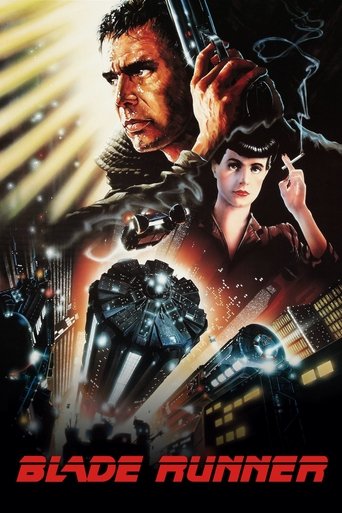

Continue the director
Blade Runner (1982)
Ridley Scott's next science-fiction film extends his gift for dense, rain-soaked worlds and questions about what it means to be human.
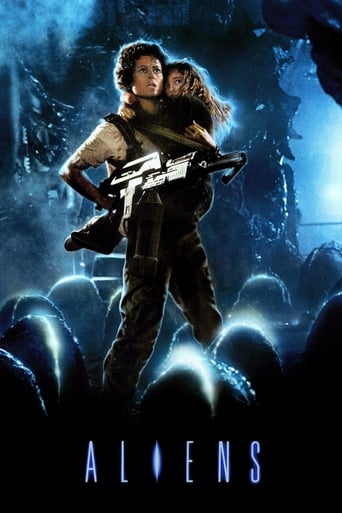
See its influence
Aliens (1986)
The sequel shows how a horror film could be reshaped into action cinema while keeping its central character at the heart of the story.
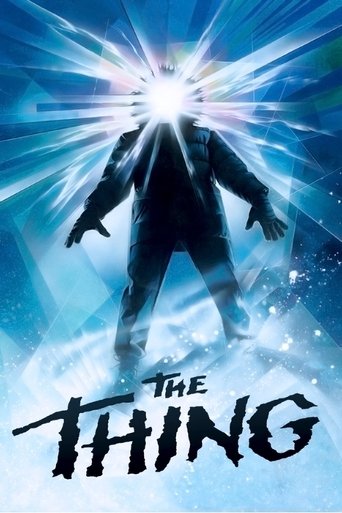
Compare another approach
The Thing (1982)
Another isolated-group horror with a shape-shifting threat and practical effects, but with paranoia rather than corporate design at its core.
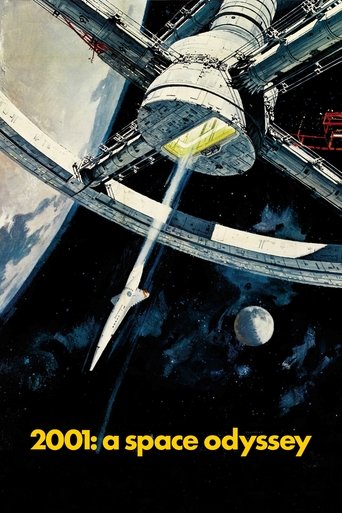
See what influenced it
2001: A Space Odyssey (1968)
The cool, realistic spaceship design and computer menace behind Alien's setting appear in their most ambitious form here.
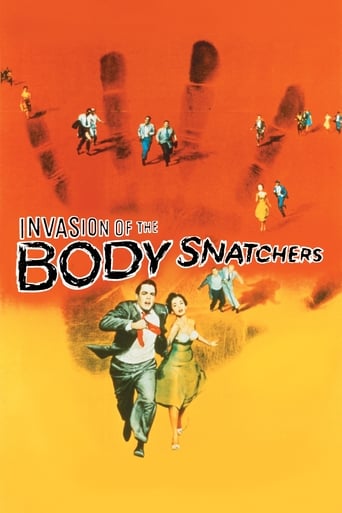
Follow the idea
Invasion of the Body Snatchers (1956)
A compact earlier example of science-fiction dread, useful for seeing how the genre's fears changed between the 1950s and the 1970s.