Animation · Science Fiction · Action
Akira
Japanese
1988 · Directed by Katsuhiro Otomo · 124 min


Animation · Science Fiction · Action
Japanese
1988 · Directed by Katsuhiro Otomo · 124 min









Meaning, unpacked
Central idea
The film can be read as a study of power without direction: what happens when individuals, institutions and a whole society are handed forces they cannot understand or control, and how that corrupts friendship, authority and the body itself.
What it means
Akira is a film about power without direction: power handed to people who cannot understand it, let alone control it. The military, the scientists and the politicians all believe they can manage a force beyond them. The film treats that belief as an illusion, and the cost falls on those least able to bear it.
It works on two levels. One is enormous: a city, a state, and a force that could end both. The other is small: Kaneda and Tetsuo, two boys bound by dependence, pride and envy. Tetsuo has long resented being protected, and as his powers grow, so does that resentment. That bond gives a huge story its human centre. Around them, bored young bikers, a rebuilt Tokyo and bodies reshaped by science carry the film's worries about youth, modernity and a society built quickly on unstable ground.
Why it mattered
In 1988, Akira showed what Japanese animation could do when money and ambition were unrestricted. It was backed by a production consortium and became the most expensive anime film to that date, using a huge amount of hand-painted cel animation and an expanded range of colours. Characters move with unusual weight, and crowds and machines feel physically real.
It also borrowed the language of live-action cinema: tracking shots, low angles, rack focus, sudden pull-backs. And it did things differently with sound. Actors recorded their lines first and animators matched the mouths to them, while Geinoh Yamashirogumi, a collective of amateur musicians, blended Balinese gamelan, Japanese vocal traditions and electronic sound. Together this persuaded many viewers that anime could be serious, adult cinema.
Before anyone tells you what to think: what did you make of it?
Log in to rate it and leave commentsIt takes one click with Google or an email link. You come straight back here.
Rate it, keep your notes, and find the next film.
Free, no ads. Your journal, your lists, a Cine Guide that remembers you.
Create your free spaceAt home, the reception was respectable, but the box office did not match the expectations set by the cost. Abroad, it found its audience gradually, through festivals, repertory screenings and home video. It won no Academy Award or Cannes honour, yet its reputation kept growing. It helped create the international audience for anime and shaped later work, from Ghost in the Shell to The Matrix, and many stories about teenagers with uncontrollable powers.
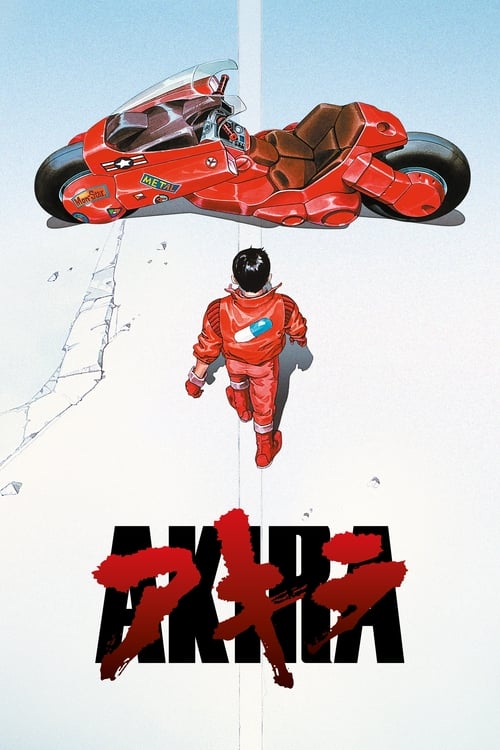
Today it is regarded as a landmark of Japanese animation and of cyberpunk cinema. Kaneda's red bike, his skid-stop and his pill-capsule jacket became iconic; Kanye West restaged the slide in "Stronger" in 2007, and Supreme released an Akira collection in 2017. Its decaying neon Tokyo helped define the look of cyberpunk cities. People still debate its dense plot and its relation to the manga, but few question its status as a milestone.
What happens
Tetsuo's power spirals into a new cataclysm that tears through the stadium and the city. Akira is awakened, Tetsuo is drawn into a new state of existence, and Kaneda survives among the ruins.
The last image
Over the ruined city, a point of light expands as Tetsuo's voice declares his own identity.
Three readings
What it says
The film refuses to restore order because its subject is power nobody can control. The city is ruined, no one wins, and Tetsuo's voice marks the start of something unknown. Where it leads is left to you.
Or follow an idea from this film

See what influenced it
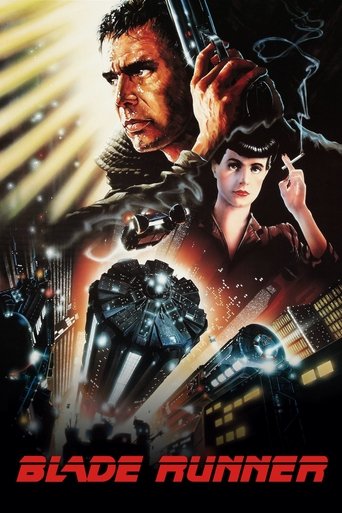
Blade Runner (1982)
The most important Western predecessor for Akira's dark, crowded future city. Seeing it first clarifies what Otomo borrows and what he changes.
Compare another approach
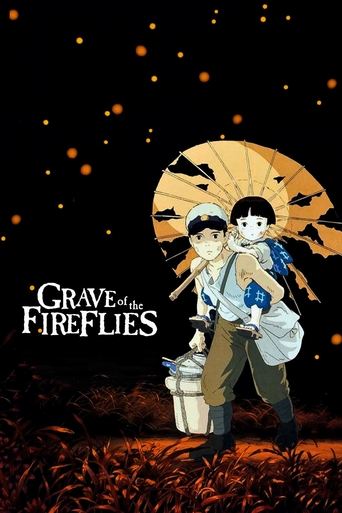
Grave of the Fireflies (1988)
Released the same year, it shows an entirely different use of hand-drawn animation: intimate, realistic and devastating, and equally far from children's cartoons.
See its influence
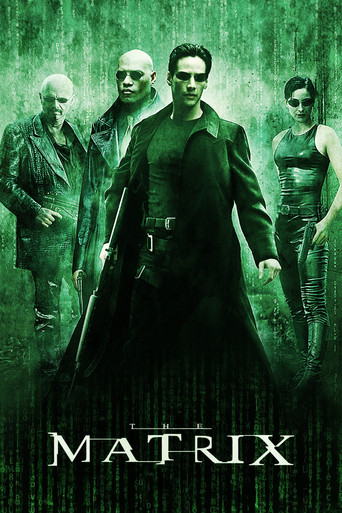
The Matrix (1999)
A live-action film that takes a good deal of its look, ideas and action language from this era of Japanese animation.
Follow the idea
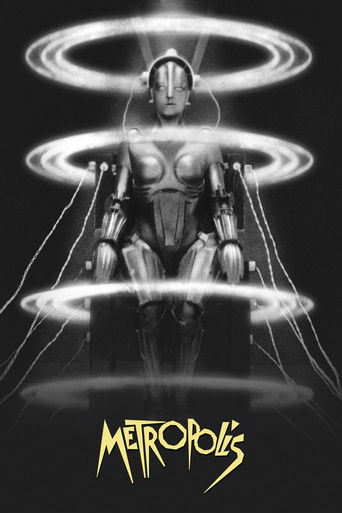
Metropolis (1927)
Follow the idea of the city as machine and battlefield back to its great silent-era source.
Jump forward
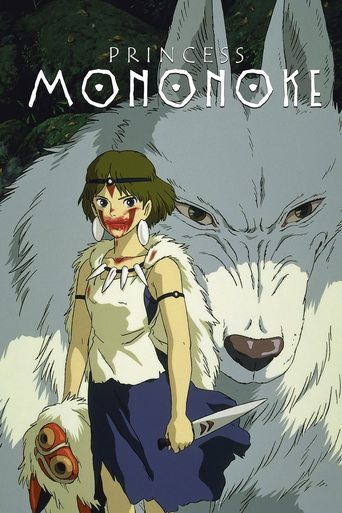
Princess Mononoke (1997)
Another ambitious, adult-oriented Japanese animated epic, with similar concerns about power and nature but a very different sensibility.