Horror
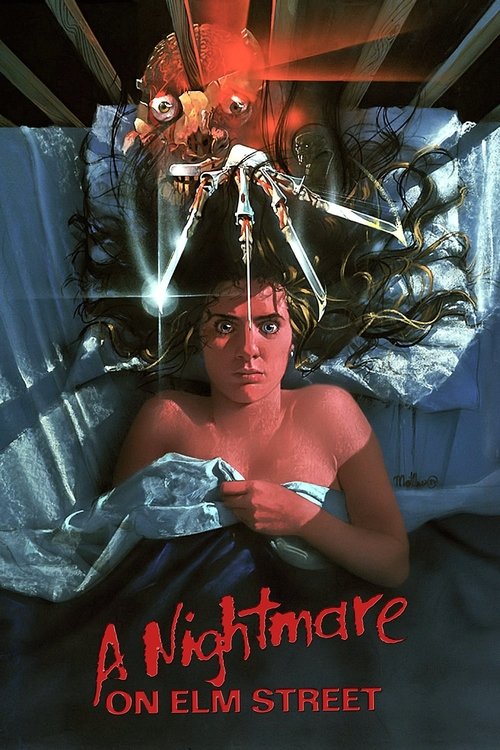
A Nightmare on Elm Street
American
1984 · Directed by Wes Craven · 91 min


Horror
American
1984 · Directed by Wes Craven · 91 min








Meaning, unpacked
Central idea
The film can be read as a story about adults' buried guilt returning to haunt their children. Its horror comes from the failure of the grown-ups to protect them, and from the fact that sleep, a basic need, cannot be avoided.
What it means
At its heart, A Nightmare on Elm Street is a story about buried guilt. The grown-ups did something in the past and would rather forget it than face it, so their children pay the price. Look at how the adults behave: they are distracted, drunk, evasive or simply disbelieving. They cannot see what Nancy sees, so she has to rely on herself.
The cleverest idea is sleep. It is a basic need, and you cannot refuse it forever. Wes Craven turns that exhaustion into a weapon, playing on the feeling of being unable to stay awake and unable to control your own mind. The bathtub shows how: a safe, private space becomes a trap. Then Nancy decides to stay awake. With coffee, booby traps and research, she stops being a victim and becomes a strategist. Confronting fear on your own terms is the only way to shrink its power.
Why it mattered
Most slashers happen in the real world. Here, the rules of nightmare let Craven break logic, space and safety, so the film can be playful and unsettling at once. It sets up rules, then bends them, and waking scenes often carry slightly off details, so you are never sure where reality ends. It gave the slasher form a supernatural, surreal dimension.
It was also made cheaply, as one of the first major productions of the independent company New Line Cinema. Rotating rooms, rigged sets and makeup gave it a handmade strangeness that can feel odder than a purely digital effect. And Nancy's turn from victim to active heroine was an important change for the genre.
Before anyone tells you what to think: what did you make of it?
Log in to rate it and leave commentsIt takes one click with Google or an email link. You come straight back here.
Rate it, keep your notes, and find the next film.
Free, no ads. Your journal, your lists, a Cine Guide that remembers you.
Create your free spaceThe film produced sequels, a television series, a crossover and a remake, and made the supernatural, talkative slasher a model for the genre. Freddy's striped sweater, hat and bladed glove became instantly recognisable, and he even turned up in pop music, in DJ Jazzy Jeff and the Fresh Prince's "A Nightmare on My Street," in 1988. Craven later returned to self-aware horror with New Nightmare and Scream, and later films keep using dream logic to scare.
Reviews on release were mixed. Some critics dismissed it as another slasher, while others praised its imagination. Audiences responded strongly, and it grew through home video and repeat viewing. Today it is seen as one of the most original horror films of its decade, and as Craven's most inventive work. This first Freddy is darker and less comic than the showman the sequels made of him. And the fear it taps is still there every night, waiting for you to close your eyes.
What happens
Nancy refuses to fear Krueger, and he vanishes. Morning looks bright, and her friends are alive. Then their car closes around them, his glove appears, and her mother is dragged through the front door. The nightmare isn't over.
The last image
Nancy's mother is pulled through the front door by an unseen force, as the bright morning turns into a nightmare.
Three readings
What it says
Nancy's courage breaks Krueger's hold on her, but the adults' buried guilt never goes away so easily. The film ends on a bright morning that goes wrong, so you leave as unsure of safety as the characters.
Or follow an idea from this film

See what influenced it
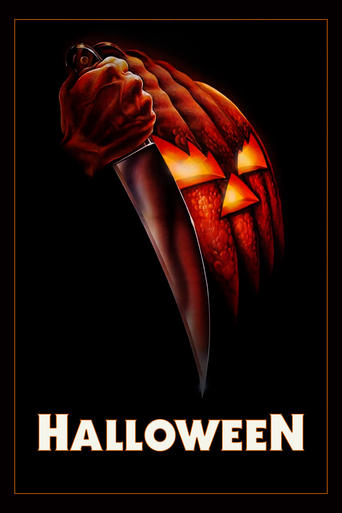
Halloween (1978)
The film that defined the slasher template. Comparing it with Craven's film shows what he kept and what he changed.
Follow the idea
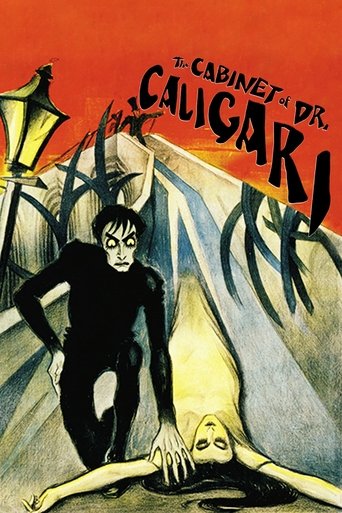
The Cabinet of Dr. Caligari (1920)
An early horror film built on distorted perception and a sleepwalker, showing how long cinema has used the mind as a setting.
Compare another approach
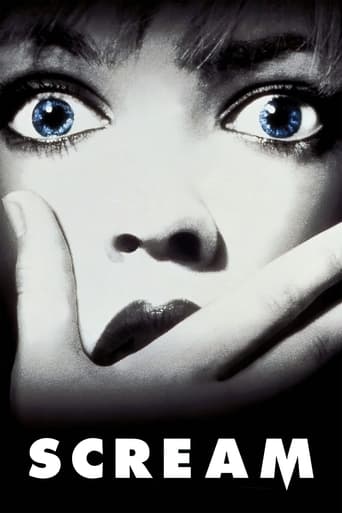
Scream (1996)
Craven's later, self-aware take on the slasher genre shows how he looked back at the form he helped popularise.
Explore the era or movement
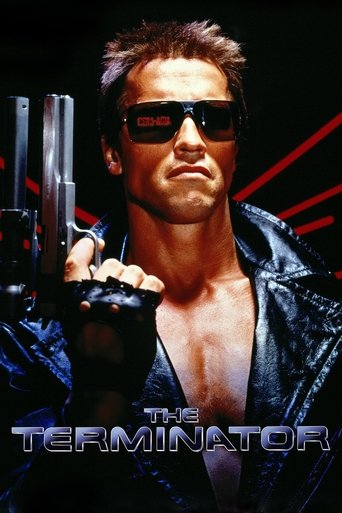
The Terminator (1984)
Another low-budget 1984 genre film that became a franchise-starting classic, relying on a relentless villain and inventive practical effects.

Jump forward
Inception (2010)
A big-budget approach to dream logic, which helps show how differently dream spaces can be used for suspense.