Crime · Mystery · Thriller
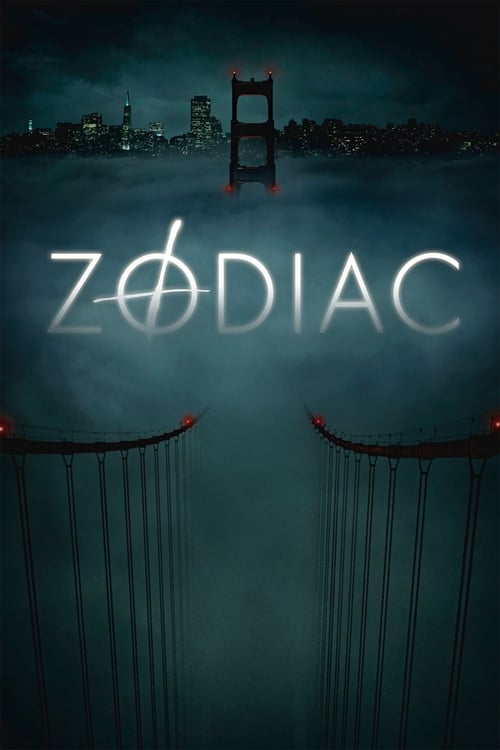
Zodiac
American
2007 · Directed by David Fincher · 157 min


Crime · Mystery · Thriller
American
2007 · Directed by David Fincher · 157 min








Meaning, unpacked
Central idea
The film can be read as a study of the hunger for certainty. Facts accumulate, and the pull toward meaning grows with them, yet it asks what separates knowing something from proving it, and what that hunger costs people.
What it means
Zodiac follows a killer who sends letters to San Francisco newspapers, and the cartoonist, reporter and police investigator who are each pulled into the case. Years pass, and the answer never quite arrives. That is the heart of it: a study of the hunger for certainty. Facts pile up, and so does the pull toward meaning. The film asks what separates knowing something from proving it, and what that hunger costs the people who feel it.
Obsession is the clearest theme. Each central character is gripped differently, and you watch fascination slowly push out work, health and family. The press is part of the story, too. The killer writes to newspapers, and publicity shapes both his behaviour and the city's fear. The film follows Graysmith's viewpoint and builds a strong circumstantial case against Arthur Leigh Allen, but it never claims proof. The case remains officially unsolved. The last scene, a quiet, wordless look, is conviction, not closure.
Why it mattered
Fincher grew up in Marin County during the Zodiac scare and remembers police escorting school buses. That early fear made him want to tell the story accurately, not as horror. He and his team studied case files and interviewed people involved, so the screenplay is full of real times, places and names. Instead of shocks, you get procedure, paperwork and the slow passing of years.
It was also an early demonstration that digital cinematography could deliver a richly textured period reconstruction on a studio scale. Computer-generated work extends the 1960s San Francisco locations, and it is designed so you never notice it. Fincher builds dread from calm and daylight at Lake Berryessa, and in the basement, sound and space do all the work with no violence on screen.
Before anyone tells you what to think: what did you make of it?
Log in to rate it and leave commentsIt takes one click with Google or an email link. You come straight back here.
Rate it, keep your notes, and find the next film.
Free, no ads. Your journal, your lists, a Cine Guide that remembers you.
Create your free spaceReleased in March 2007, the film drew strong reviews for its patience, accuracy and performances. It made modest returns for its budget, and its length and lack of conventional thrills disappointed some mainstream audiences. It helped set the tone for later true-crime dramas, including Fincher's own series Mindhunter, with their focus on process, period detail and the cost of obsession.
Its reputation has risen steadily. It is often placed among Fincher's best work and among the strongest American films of its decade. What once seemed cold or overlong is now admired as discipline. In December 2020, three amateur codebreakers solved the killer's 340-character cipher, drawing worldwide press coverage. It felt like the film's world spilling into real life.
What happens
Graysmith finds Arthur Leigh Allen working in a hardware store, and the two men exchange a long, silent look. On-screen text then says Allen died in 1992, was never charged, and that the case remains unsolved.
The last image
Graysmith and Allen look at each other across the hardware store, and the film cuts away without a word being said.
Two readings
What it says
The film is about the hunger for certainty, so it gives you conviction without closure. It ends on what a look can and can't prove, because that gap is what the whole case, and Graysmith's obsession, has been about.
Or follow an idea from this film

Continue the director
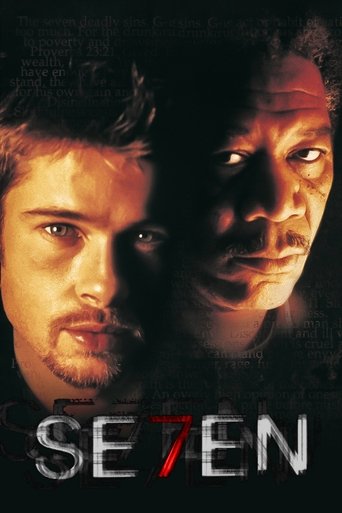
Se7en (1995)
Fincher's earlier serial-killer thriller shows the stylised side of his craft, and sets a useful contrast with the restraint of Zodiac.
Compare another approach
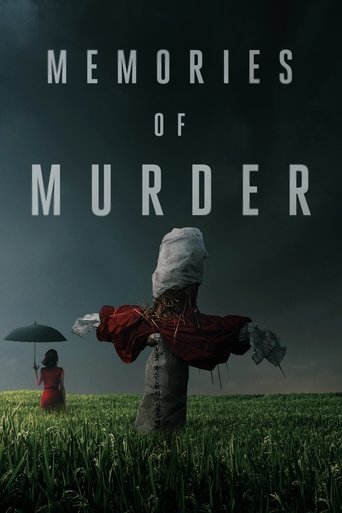
Memories of Murder (2003)
Bong Joon-ho's film about detectives hunting a killer in 1980s rural Korea shares Zodiac's attention to procedure, institutional limits and obsession.
Follow the idea
All the President's Men (1976)
A model for the newsroom as a place of suspense, where reporters follow paper trails and phone calls.
Coming soon
Explore the era or movement
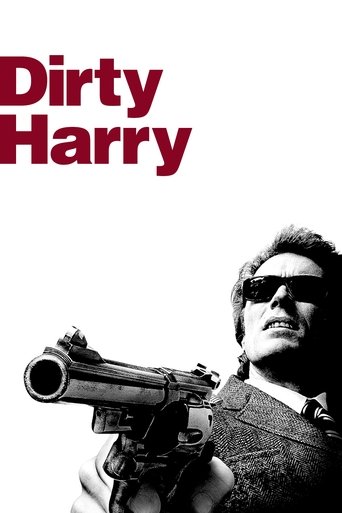
Dirty Harry (1971)
The era's popular answer to the same fear, with a stylised killer inspired by Zodiac. It shows how fiction turned a real case into myth.