Thriller · Crime · Drama
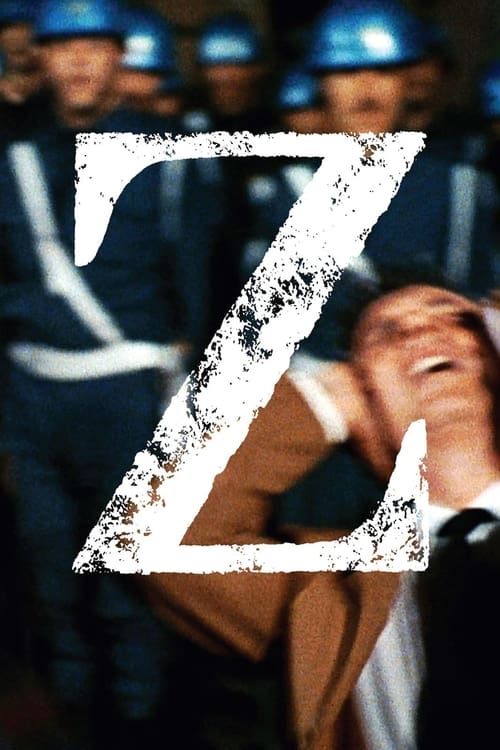
Z
French
1969 · Directed by Costa-Gavras · 122 min


Thriller · Crime · Drama
French
1969 · Directed by Costa-Gavras · 122 min


Meaning, unpacked
Central idea
The film is about how truth survives, or fails to survive, inside institutions built to protect power. It can be read as a study of the small gap between a lie being exposed and anything actually changing.
What it means
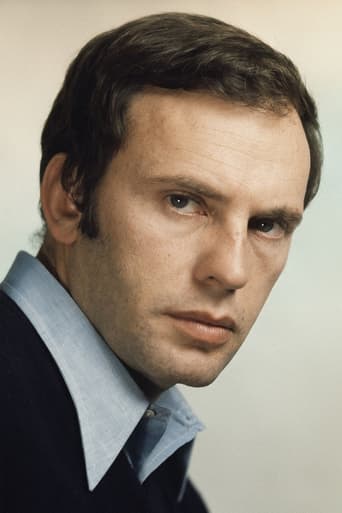
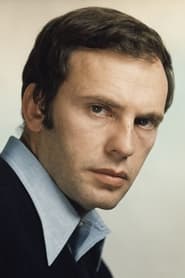
A peace rally ends with a deputy dead in the street. A magistrate, played by Jean-Louis Trintignant, refuses to accept the official story and pulls it apart. Then the film shows you what that is worth. Z is about how truth survives, or fails to survive, inside institutions built to protect power. Its sharpest point is the small gap between a lie being exposed and anything actually changing.
Notice how it makes investigation feel: slow, bureaucratic and brave. The magistrate asks quiet questions, and powerful officers are undone by small contradictions. The men around him are mostly ordinary people following orders and protecting their own, which is why the cover-up feels so normal, and so chilling. The film also asks who gets to decide what really happened, the law or the printed image, and it stays unsentimental about what an ideal of peace can do against organised power.
Why it mattered
Z showed that a mass-audience thriller could carry a direct political argument. It took the pace of a crime story and pointed it at real anger. Its story comes from Vassilis Vassilikos's 1967 novel, based on the 1963 death of the Greek politician Grigoris Lambrakis after a peace rally in Thessaloniki. Costa-Gavras kept the pattern but removed the names and places, arguing that disguise can sharpen an accusation rather than blunt it. The opening card even reverses the usual disclaimer: any resemblance to real events is deliberate.
The craft carries the argument. Françoise Bonnot's Oscar-winning editing, with jump cuts, flash-forwards and fast crosscutting, gives even an office conversation momentum. Raoul Coutard shot it with handheld cameras and natural light, so it feels like a newsreel. Greece's military regime meant it could not be filmed there, so it was made largely in Algeria. Then the closing epilogue lists what the regime banned, and the thriller becomes an indictment.
Before anyone tells you what to think: what did you make of it?
Log in to rate it and leave commentsIt takes one click with Google or an email link. You come straight back here.
Rate it, keep your notes, and find the next film.
Free, no ads. Your journal, your lists, a Cine Guide that remembers you.
Create your free spaceZ was a major critical and commercial success in France and abroad. It won the Jury Prize at Cannes, where Trintignant took Best Actor, and two Oscars, for Best Foreign Language Film and Best Film Editing. It was also nominated for Best Picture, Best Director and Best Adapted Screenplay. Some critics asked whether a stylish thriller could be an honest political argument.
Its influence is hard to miss. It helped shape 1970s conspiracy and investigative cinema, from Italian political thrillers to Hollywood stories of official cover-ups, and Costa-Gavras returned to the approach in State of Siege and Missing. Today it remains his signature film and a reference point for political cinema. Some viewers find its politics clear-cut and its caricatures broad, but the editing and structure still feel modern, and its warning about authoritarian cover-ups has not aged.
What happens
The magistrate's inquiry wins, briefly: a general and senior officers are indicted. Then it collapses. Light punishments, a jailed photojournalist, the magistrate removed, and a military coup. The truth was exposed and still changed nothing.
The last image
Closing titles list what the new regime has banned, including long hair, the Beatles and the letter Z, which means 'he lives'.
What it says
The ending shows the gap between exposing a lie and changing anything. The banned-things list turns the thriller into an indictment of authoritarianism. Z, the symbol of the murdered deputy, still means 'he lives', which is why the regime fears it.
Or follow an idea from this film

See what influenced it
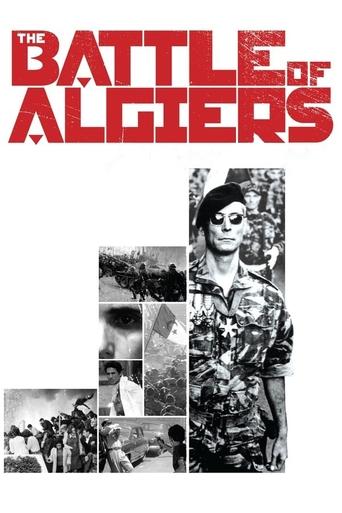
The Battle of Algiers (1966)
Its pseudo-documentary style and political subject make a natural companion, and it shows the realism Z later combined with thriller pacing.
Explore the era or movement
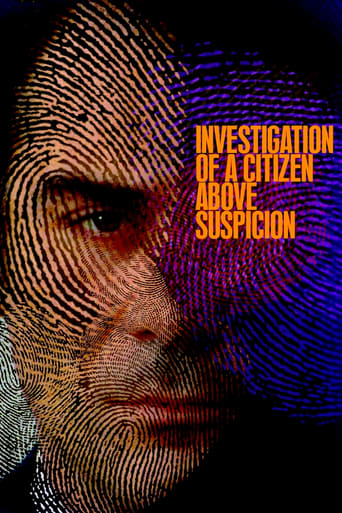
Investigation of a Citizen Above Suspicion (1970)
A sharp Italian companion piece about power and impunity, made right after Z, with a more satirical and psychological take.

Continue the director
Missing (1982)
Costa-Gavras's English-language political thriller, starring Jack Lemmon, repeats the pattern of a lone searcher confronting official denial.
Follow the idea
The Mattei Affair (1972)
Francesco Rosi reconstructs a suspicious death through investigation, mixing reconstruction and speculation to question official accounts.
Jump forward
The Lives of Others (2006)
A modern drama about surveillance and state power, showing how political cinema later turned toward intimate moral choices.