Animation · Romance · Drama
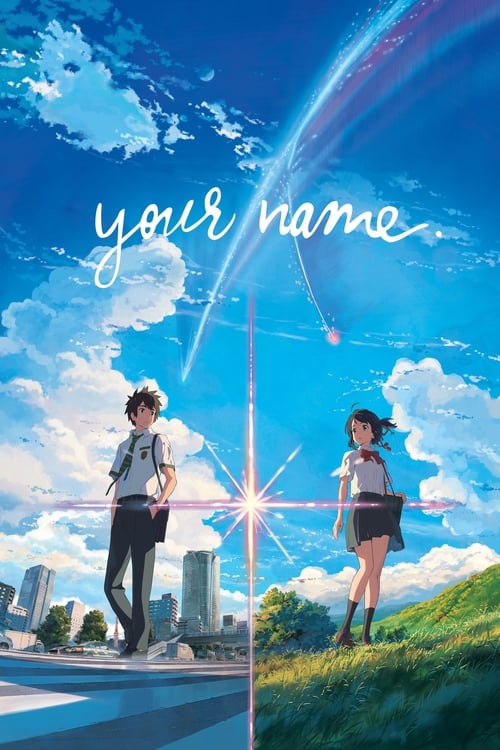
Your Name.
Japanese (君の名は。)
2016 · Directed by Makoto Shinkai · 106 min


Animation · Romance · Drama
Japanese (君の名は。)
2016 · Directed by Makoto Shinkai · 106 min






Meaning, unpacked
Central idea
The film is about connection that outlasts understanding: two people bound by something they cannot explain, and the ache of feeling that someone important is missing from your life. It can also be read as a story about memory, loss and the courage to act against fate.
What it means
A girl in a mountain town and a boy in Tokyo keep waking up in each other's bodies. Then the swaps stop, and Taki goes looking for her, only to find a town a comet has already destroyed. Underneath, the film is about connection that outlasts understanding: two people bound by something they can't explain, each sure someone important is missing from their life, neither able to say who.
That is why forgetting matters. Names slip away like a dream on waking, and the film treats that as a real loss that can still leave a trace. The emotional peak, the twilight on the crater rim, comes in kataware-doki, the hour when worlds meet, just as the names begin to fade. Living in each other's bodies also teaches them empathy, and the last stairway scene leaves two strangers and a feeling. Perhaps some things we lose are still felt, and the feeling is enough to send us looking.
Why it mattered
Your Name. shows how a familiar high-concept premise can be played first for laughs, then for longing. The comic first act hides a darker second story, and the film plays fair by planting its details early, so the turn feels like a revelation, not a trick. Its look was a signature too: detailed, lens-flared skies, carefully lit interiors, and settings modelled on real places that anchor the fantasy in the observed world.
The music works differently from a conventional score. The band RADWIMPS wrote songs in close dialogue with the scenes, and the montages were shaped around them, so they work almost like chapters. For Makoto Shinkai, it was the breakthrough from a devoted following to a mass audience at home and abroad. It also showed that an original anime, not made by Studio Ghibli, could rival the biggest names in reach.
Before anyone tells you what to think: what did you make of it?
Log in to rate it and leave commentsIt takes one click with Google or an email link. You come straight back here.
Rate it, keep your notes, and find the next film.
Free, no ads. Your journal, your lists, a Cine Guide that remembers you.
Create your free spaceAudiences in Japan embraced it quickly, with strong word of mouth and many repeat viewings, and it became a major box-office hit at home and abroad. Critics praised the visuals, music and emotional pull, though some found the plot mechanics too convenient, and that debate hasn't gone away. Many viewers read the comet through Japan's 2011 earthquake and tsunami, as a wish to avert a loss that couldn't be averted, which made it a story of collective remembrance as well as a romance.
It made Shinkai a leading name in international animation, and his later films Weathering With You and Suzume blend romance, fantasy and disaster in a similar way. Fans now visit the real places it drew on, and the red braided cord became its best-known image of fated connection. Today it is one of the best-known modern anime films in the world, and a common first anime for newcomers.
What happens
Years after Taki saved Itomori by warning it in Mitsuha's body, both are adults in Tokyo, remembering nothing of each other except a sense that someone is missing. They pass on a stairway, stop, and each asks the other's name.
The last image
Two grown strangers face each other on a Tokyo stairway, both asking the other's name.
What it says
The film is about connection that outlasts understanding. Their memories are gone, but the feeling remains, and it is enough to make them turn and search. It ends on the question instead of an answer because the question is the point: you know each other before you know a name.
Or follow an idea from this film

Compare another approach
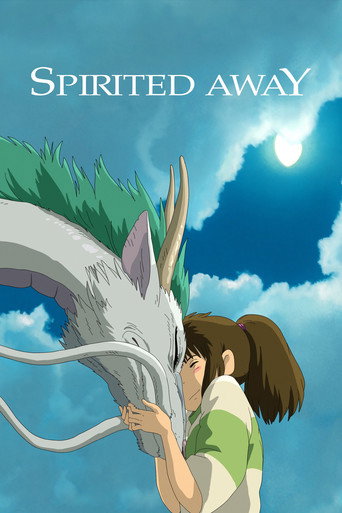
Spirited Away (2001)
The landmark Japanese animated fantasy. Compare how Miyazaki and Shinkai each use Japanese folklore and spiritual place to shape a young person's journey.
See what influenced it
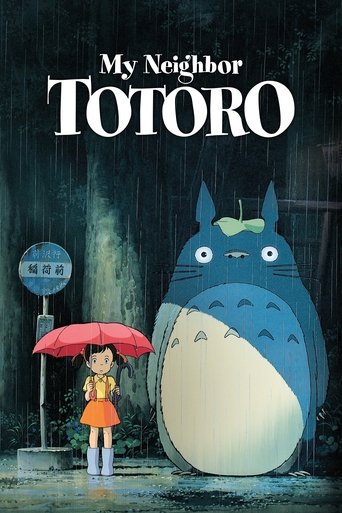
My Neighbor Totoro (1988)
Rural Japan, shrines and a sense of the sacred in everyday landscapes. A gentler antecedent for the world Your Name. draws on.

Follow the idea
Arrival (2016)
Released the same year, it also uses a non-linear experience of time to turn a love story into something about memory and loss.
Follow the idea
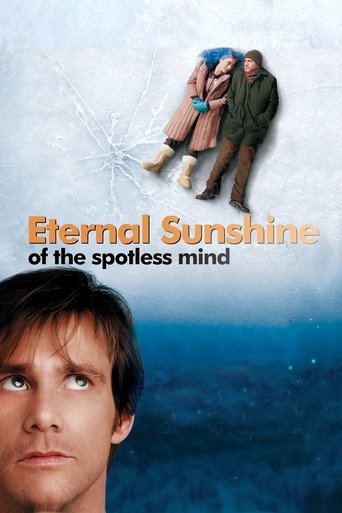
Eternal Sunshine of the Spotless Mind (2004)
Memory, forgetting and the persistent pull between two people, told with playful invention and emotion.
Jump forward
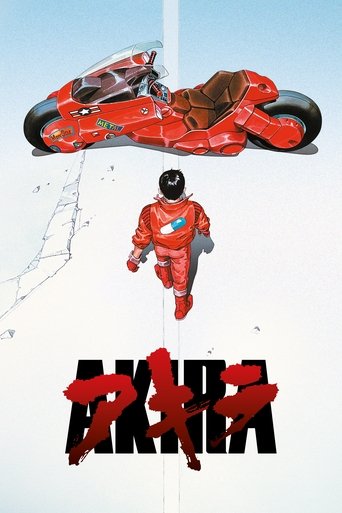
Akira (1988)
A very different landmark of anime, showing how the form could be dark, ambitious and visually overwhelming.