Drama · Music · Thriller
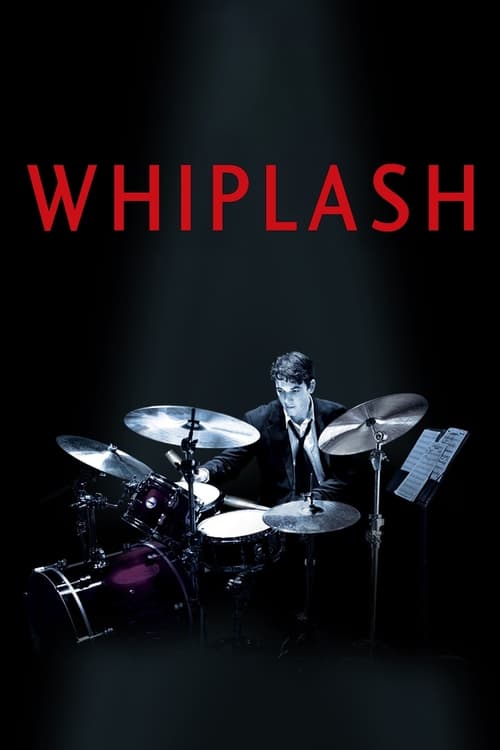
Whiplash
American
2014 · Directed by Damien Chazelle · 107 min


Drama · Music · Thriller
American
2014 · Directed by Damien Chazelle · 107 min
Meaning, unpacked
Central idea
The film explores the cost of the pursuit of greatness and asks whether exceptional art needs punishing methods. It can be read as a study of ambition that deliberately withholds a comforting verdict.
What it means
Whiplash follows Andrew, a young drummer who wants to be one of the greats, and Fletcher, a conductor who pushes him past breaking point to get him there. In the last scene, Andrew takes over the band and plays on his own terms.
The film is really about one question: does exceptional art need punishing methods, and is greatness worth what it costs? Fletcher argues that cruelty produces genius, and the film lets that sound persuasive without endorsing it. Andrew's hunger to be remembered slowly crowds out friends, family, romance and ordinary happiness. Both men depend on approval, and rankings, chairs and rivals turn music into a contest where pain counts as proof of worth. The ending is ambiguous, as Damien Chazelle has said. You may read it as triumph, mutual destruction or a warning, and the film leaves that verdict to you.
Why it mattered
Whiplash premiered at Sundance in January 2014 and won both the Grand Jury Prize and the Audience Award. It was shot in about three weeks, on a small budget, and that compressed energy shows. Its big idea was to treat a rehearsal room like a battlefield. The editing cuts to the rhythm of the music and speeds up with the tempo, so hands, sticks, cymbals and faces flash past and drumming becomes combat.
It also borrowed the shape of a sports film, with training, setbacks, rivalry and a final match, and used it to ask whether the goal deserves the sacrifice. Low-key lighting, tight framing and a sound mix that puts every cymbal crash up front made a story about practice feel like a thriller. At the Oscars it won three of its five nominations: Best Supporting Actor for J.K. Simmons, Best Film Editing and Best Sound Mixing.
Before anyone tells you what to think: what did you make of it?
Log in to rate it and leave commentsIt takes one click with Google or an email link. You come straight back here.
Rate it, keep your notes, and find the next film.
Free, no ads. Your journal, your lists, a Cine Guide that remembers you.
Create your free spaceThe film established Chazelle and composer Justin Hurwitz, and led directly to La La Land. It also fed a run of intense dramas about obsession and artistic ambition. TÁR is a good one to watch next. Fletcher became shorthand for the abusive teacher, coach or boss, and lines like "Not quite my tempo" and his tirade against the words "good job" are quoted and parodied far from music. The film also brought big-band jazz, and the drumming legacy of Buddy Rich, to a young audience.
Today it is one of the most discussed American films of its decade, often used in arguments about artistic sacrifice and abusive mentorship. Critics praised it strongly, though some jazz musicians and educators object to its harsh picture of jazz and of teaching. Working players still argue about how fair it is. Its ending still divides viewers, and perhaps that is the point.
What happens
At the festival concert, Fletcher sabotages Andrew with unfamiliar music. Andrew refuses to break, takes over the band with a long solo, and Fletcher finally follows him. The film ends mid-performance, with no verdict on what it cost.
The last image
Andrew and Fletcher stay locked in the performance, the drumming still driving on, as the film cuts off without any resolution.
Three readings
What it says
The film deliberately withholds a comforting verdict. It lets you feel the thrill of greatness and its cost at once, so you decide whether it was worth it. Chazelle has called the ending ambiguous.
Or follow an idea from this film
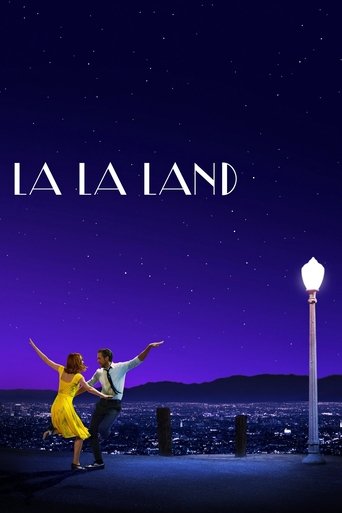

Continue the director
La La Land (2016)
Chazelle's follow-up keeps the theme of ambition against love, but swaps a duel for a musical romance. Comparing them shows his range and recurring ideas.
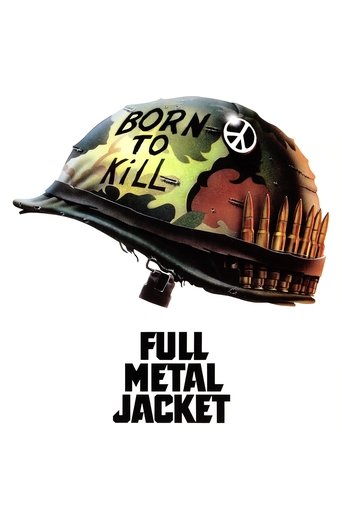
See what influenced it
Full Metal Jacket (1987)
Its drill-sergeant first half is a classic portrait of abusive instruction and shows what Fletcher inherits.
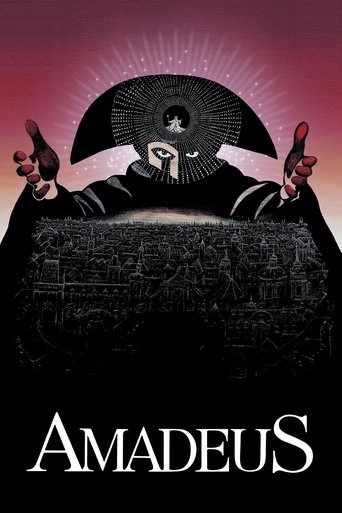
Compare another approach
Amadeus (1984)
A very different treatment of musical genius, rivalry and obsession, set in the eighteenth century.
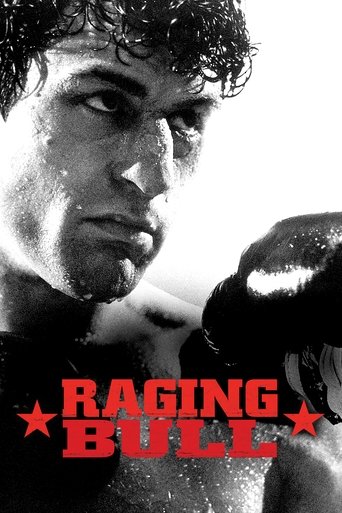
Follow the idea
Raging Bull (1980)
Explores a man whose drive for greatness destroys everything around him, with a comparable intensity of performance and editing.
Compare another approach
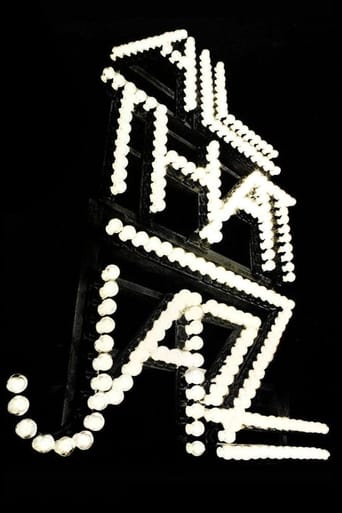
All That Jazz (1980)
A musical about a choreographer's self-destructive devotion to his work, useful for comparing how cinema treats the artist's sacrifice.