Drama
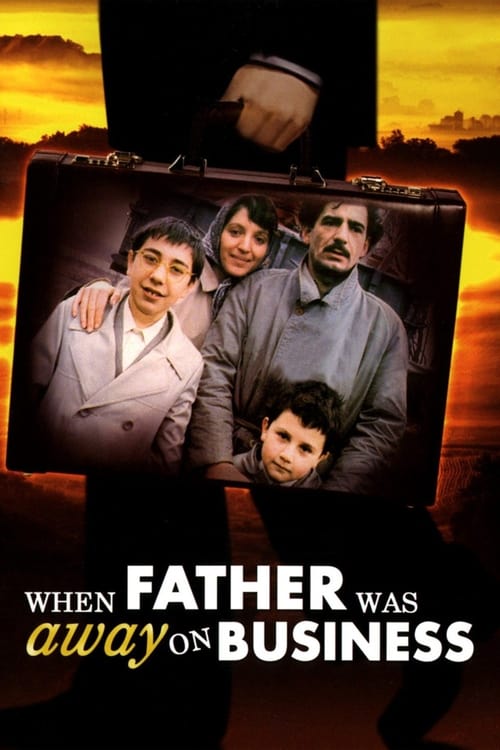
When Father Was Away on Business
Yugoslav (Otac na službenom putu)
1985 · Directed by Emir Kusturica · 136 min


Drama
Yugoslav (Otac na službenom putu)
1985 · Directed by Emir Kusturica · 136 min







Meaning, unpacked
Central idea
The film explores how political power invades private life, and how a child absorbs history without understanding it. It can be read as a portrait of a society in which loyalty, love and betrayal are all tangled up with the state.
What it means
A careless remark about a political cartoon is all it takes. A father is taken away, and a family in Sarajevo tells the children he is simply away on business. You watch it through the eyes of a small boy, Malik, who half-hears, misreads and imagines. The film's central idea is that political power invades private life, and that a child absorbs history without understanding it. Suspicion travels through relatives, colleagues and lovers, so the political and the personal cannot be pulled apart.
The film cares less about heroes and villains than about the small accommodations people make to stay safe. The family is both shelter and trap: it protects the boy, and it also controls him. Because we often see adult scenes Malik could never have witnessed, you understand more than he does, and that gap is where the feeling lives. The sleepwalking suggests a remembered story rather than a documented one. Perhaps that is the last lesson: children are told a gentle story to shield them, and they carry it for life.
Why it mattered
In 1985 the film premiered at Cannes and won the Palme d'Or, an unusual honour for a Yugoslav production. It also earned an Oscar nomination for Best Foreign Language Film. It looked back at the Tito-Stalin split and its informers and punishments while Yugoslavia still existed, a subject only just becoming open to public treatment.
Before anyone tells you what to think: what did you make of it?
Log in to rate it and leave commentsIt takes one click with Google or an email link. You come straight back here.
Rate it, keep your notes, and find the next film.
Free, no ads. Your journal, your lists, a Cine Guide that remembers you.
Create your free spaceIts method was new in its tenderness. By letting a child's partial understanding carry the story, it showed cruelty and compromise without speeches. A bureaucratic punishment becomes almost an outing, and that contrast between innocence and reality drives everything. Audiences found it accessible despite the unfamiliar setting, and it made a specific moment in Yugoslav history feel emotionally universal.
The film established Emir Kusturica as a leading voice of Balkan cinema and helped open the way for international attention to films from the region. Its child's-eye view of political repression anticipated later films such as Pan's Labyrinth. In the former Yugoslavia, the title became shorthand for the silence and evasion of that period, echoing the cover story families gave children when a parent was sent away.
Today it is still Kusturica's most admired early work, often preferred to his later, louder films. Since the country's breakup, it has been read as a portrait of a lost Sarajevo, and a lost country. It is also used in courses on Cold War Europe and Balkan history, giving students a family-level view of life under one-party rule.
What happens
Mehmed is released and the family is reunited, but nothing is the same. The household has been marked by betrayal, compromise and the knowledge of how fragile its safety was. The film closes inside Malik's dreamlike point of view.
The last image
The film ends in Malik's dreamlike perspective, with the floating, sleepwalking quality that has run through the story returning one last time.
What it says
The reunion brings relief, not restoration. The film ends in a child's dream because it is a remembered story, where feeling matters more than fact. Malik's innocence is both a refuge and the way history is carried forward.
Or follow an idea from this film

Continue the director
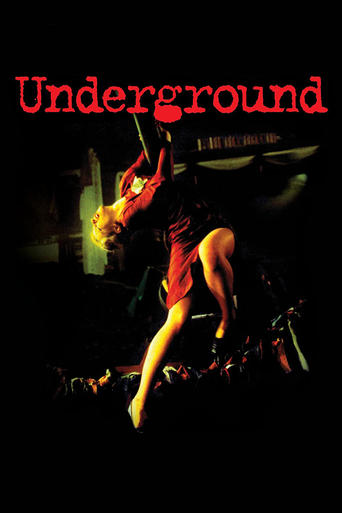
Underground (1995)
Kusturica's second Palme d'Or winner revisits Yugoslav history with far more chaos and music. It shows how the same director's tone changed.
Follow the idea
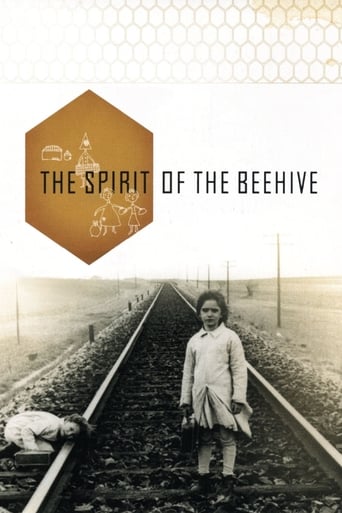
The Spirit of the Beehive (1973)
Another film that shows a repressive political era through a child's imagination and incomplete understanding, in Franco's Spain.
Explore the era or movement
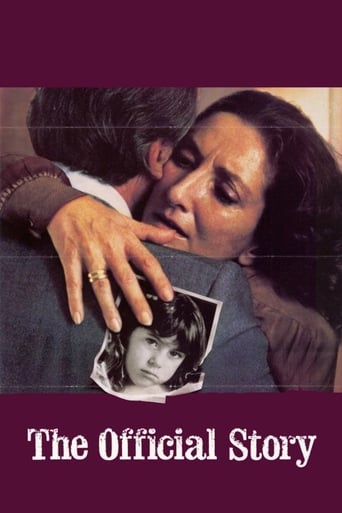
The Official Story (1985)
The Oscar winner in the year this film was nominated. It examines a family and a dictatorship's hidden crimes from a different angle.
Compare another approach
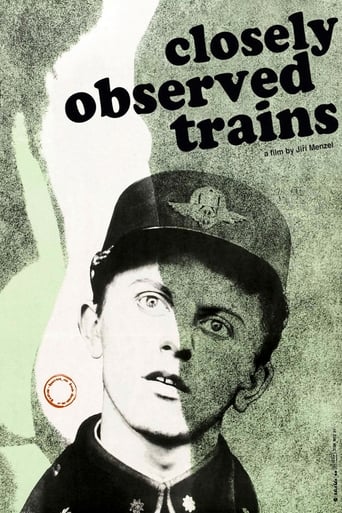
Closely Watched Trains (1966)
A Czechoslovak New Wave classic that blends humour, coming-of-age and historical pressure, helping show the Central European tradition behind Kusturica.
Jump forward
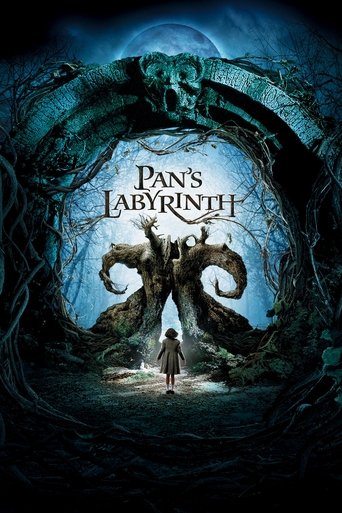
Pan's Labyrinth (2006)
A later film that frames political violence through a child's perspective, using fantasy more openly than Kusturica's dream-inflected realism.