Animation · Documentary · Drama · War
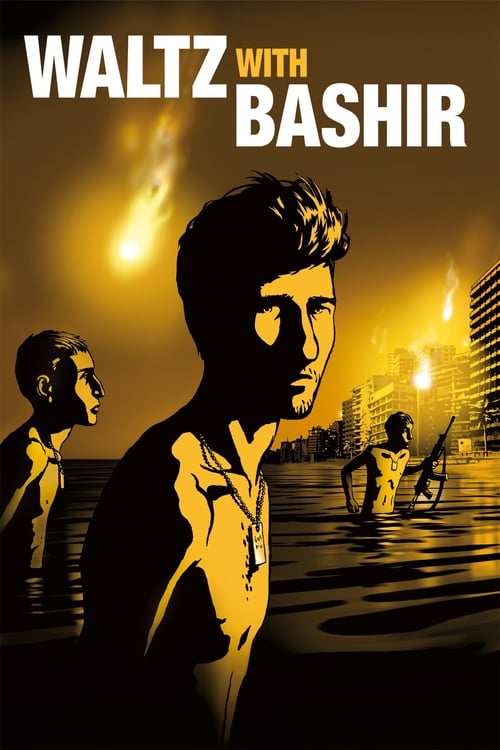
Waltz with Bashir
Israeli (ואלס עם באשיר)
2008 · Directed by Ari Folman · 90 min


Animation · Documentary · Drama · War
Israeli (ואלס עם באשיר)
2008 · Directed by Ari Folman · 90 min

Meaning, unpacked
Central idea
The film explores how memory is built, protected and distorted, and how a person can carry a history without being able to see it. It can be read as an argument that testimony, imagination and image are inseparable, and that confronting the past is a moral act.
What it means
Ari Folman served in Lebanon at nineteen, and he has realised he remembers almost nothing of it. A friend's recurring nightmare of dogs sets him searching. He tracks down other veterans, and each interview brings him closer to the massacre at Sabra and Shatila.
The real subject is how memory works. It is built, protected and distorted, and a person can carry a history without being able to see it. Folman's own recollections are partial and partly invented, and the people he talks to contradict one another or fill in what he is missing. Dreams, guilt and gaps in recall act as defences, shielding the mind from what it saw and did. The soldiers are teenagers, afraid and disoriented, present at events they barely grasp. So the film asks what you are responsible for when you allow something, or simply watch it. Its answer is that facing the past is a moral act.
Why it mattered
In 2008, a feature-length animated documentary was a rare thing. The film argued that drawing can reproduce an inner experience a camera cannot, such as a dream, a hazy memory, a moment no one filmed. It questioned the assumption that documentary has to be live action. Its flat, stylised drawings were not traced over footage but made from storyboards, using cut-out and classical techniques, with warm yellows and oranges, cold blues and night-time glows separating the present, the war and the dreams.
It also shaped its story like a detective tale, one interview leading to the next, which let Folman hold back the central revelation until the final minutes. And it showed combat through disorientation and half-understood moments rather than strategy or heroics. It premiered in competition at Cannes and became an international arthouse success.
Before anyone tells you what to think: what did you make of it?
Log in to rate it and leave commentsIt takes one click with Google or an email link. You come straight back here.
Rate it, keep your notes, and find the next film.
Free, no ads. Your journal, your lists, a Cine Guide that remembers you.
Create your free spaceThe film helped make animated documentary a respected feature form, paving the way for personal testimony films such as Flee. Folman went on to blend live action and animation in The Congress, and a graphic-novel version, made with the illustrator David Polonsky, carried the story to book readers. In Israel it fed public argument over military responsibility, and it was reportedly not shown publicly in Lebanon. It is widely used in discussions of memory, trauma and the 1982 Lebanon War.
Its reputation has held. It remains the reference point for animated documentary and for films about war memory. Discussion has widened, though. Some critics ask whose story such a film tells, and whether centring a soldier's inner experience leaves the victims at the margins. It earned an Oscar nomination for Best Foreign Language Film but did not win.
What happens
Folman finally remembers that he and his unit were near Beirut while Phalangist militiamen massacred people in Sabra and Shatila, and that Israeli flares lit the camps. The calm sea memory was a screen hiding his role as witness.
The last image
The animation stops and real footage shows the camps the morning after, with women wailing among the bodies.
What it says
Memory protects us by turning the unbearable into something beautiful, and facing the past is a moral act. The drawings gave Folman distance, so the film takes it away at the end: some things cannot be left as pictures.
Or follow an idea from this film

Compare another approach
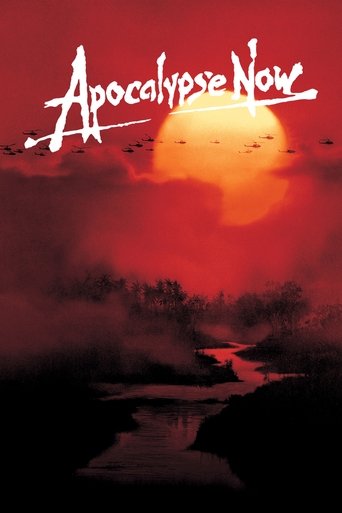
Apocalypse Now (1979)
Another war film that moves through dream and distortion, but from the viewpoint of a fictional officer on a journey rather than a filmmaker questioning his own past.

Follow the idea
Night and Fog (1956)
Alain Resnais's short essay film, a landmark in how cinema uses present-day images to confront a past that resists being seen.
Compare another approach
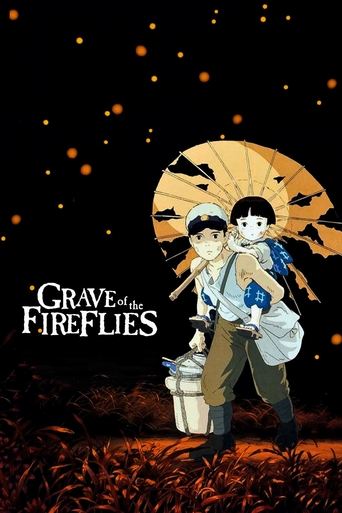
Grave of the Fireflies (1988)
Animation turned to wartime suffering, showing that drawn images can carry deep, adult emotion.
Jump forward
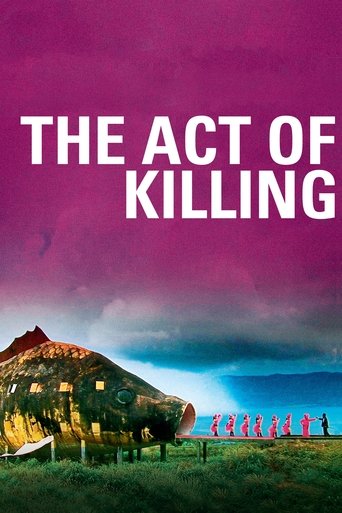
The Act of Killing (2012)
A documentary in which perpetrators re-enact their past, another film asking how people remember, perform and justify what they did.