Thriller · Horror
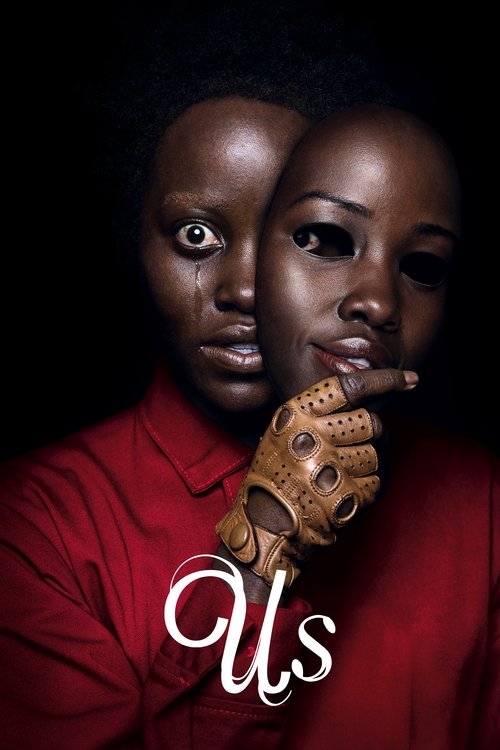
Us
American
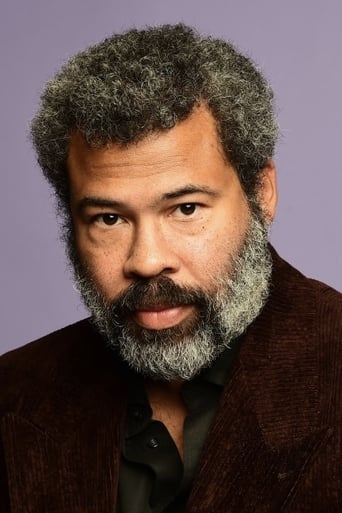
2019 · Directed by Jordan Peele · 116 min

Thriller · Horror
American
2019 · Directed by Jordan Peele · 116 min







Meaning, unpacked
Central idea
The film can be read as an allegory about the hidden people on whom a comfortable society depends, and about the fear that the enemy is a version of ourselves. It is also about identity, guilt and privilege we prefer not to examine.
What it means
A family on a beach holiday is attacked by violent doubles of themselves. That is the setup, but what matters is what Jordan Peele does with it. At heart, Us is an allegory about the hidden people on whom a comfortable society depends, and about the fear that the enemy is a version of ourselves. The title plays on the pronoun and on the initials of the United States, and both readings are meant.
The doubles are a distorted mirror of the heroes' own lives, of the privilege and guilt we would rather not examine, which is why they feel less like monsters than like people left behind. Hands Across America, the real charity chain of 25 May 1986, stands for good intentions that changed nothing for those it claimed to help, and the film makes that hollow gesture terrifying. The ending turns on something one character has hidden for decades, and it asks you to reread everything before it. Beneath the horror is a believable family whose jokes, rivalries and loyalty make the violence matter. The film never tells you who the monsters are. It leaves you facing the mirror.
Why it mattered
Us came after Get Out, and Peele has said he wanted to make a different kind of horror film, one where the monsters are not defined by a single social issue but which still carries a social idea. He often names The Twilight Zone as his model, for stories that begin in ordinary life and reveal a larger idea. Here he took the home-invasion thriller and widened it into a political and metaphysical idea.
Before anyone tells you what to think: what did you make of it?
Log in to rate it and leave commentsIt takes one click with Google or an email link. You come straight back here.
Rate it, keep your notes, and find the next film.
Free, no ads. Your journal, your lists, a Cine Guide that remembers you.
Create your free spaceIt also showed how much a horror film can do with craft. Symmetry, reflections and doubled compositions run throughout, and red, rabbits, scissors and the beach house are motifs, not decoration. A 1986 prologue leads into a modern home-invasion story, then opens out into allegory. Michael Abels's score uses choral voices and sharp orchestral stabs, and a reworked hip-hop track and a 1960s pop song make the music part of the commentary. Peele's comedy background shows in banter that releases fear, so the tension rests on character, not just plot.
Us opened in March 2019 to strong reviews and a very large opening weekend for an original horror film. Critics praised Lupita Nyong'o, Peele's direction and the film's ambition. Some found the allegory and the final explanation more confusing than Get Out, and the argument ran online for years. It won no Academy Awards.
Its mark is clear all the same. The red jumpsuit, the single gold scissors and the one leather glove became instant Halloween costumes. The film helped establish Peele as a leading author of mainstream genre films, and it encouraged studios to back original horror with big ideas. Its reputation has grown with rewatching. It is less tidy than Get Out but richer in imagery and open to interpretation, and Nyong'o's dual performance is often cited as one of the finest in modern horror. It is also a common text in classes and essays on doubles, class and horror.
What happens
Adelaide kills Red underground, and the truth comes out: in 1986 the real Adelaide was dragged below and Red took her place. The woman you followed is the original Tethered. Jason, watching, understands.
The last image
Jason watches his mother, and he understands who she really is.
What it says
The enemy was never a stranger; it was a hidden self. By making our heroine the double, the film turns the hall of mirrors on you, asking who gets to be "us" and who is left below.
Or follow an idea from this film
Continue the director
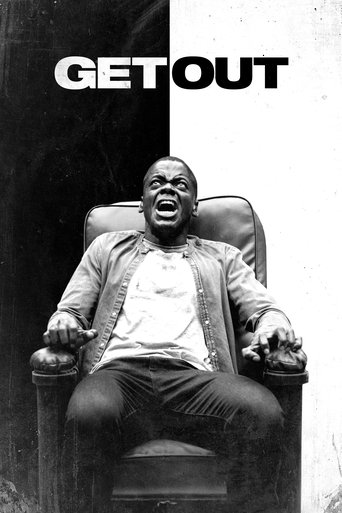
Get Out (2017)
Peele's debut is the natural companion: tighter and more direct, with the same mix of dread, humour and social meaning.
See what influenced it
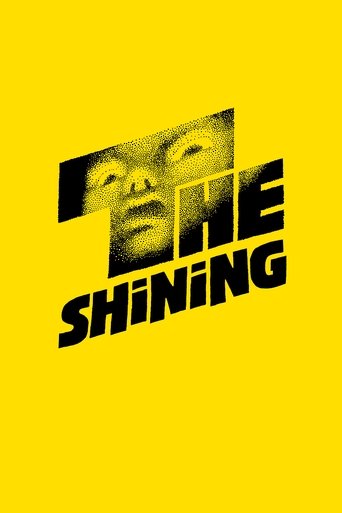
The Shining (1980)
Seeing Kubrick's family horror shows where Peele took ideas about symmetry, isolation and the threat inside the home.
Compare another approach
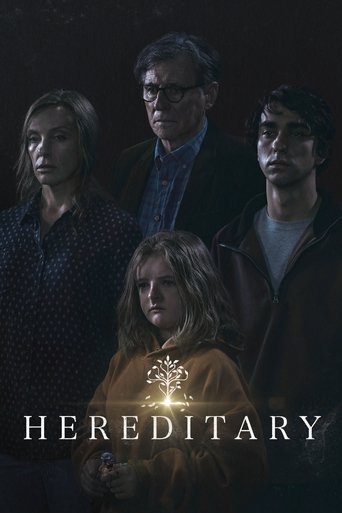
Hereditary (2018)
Another family horror film from the same moment, it uses grief and dread differently and shows how varied auteur horror had become.
Follow the idea
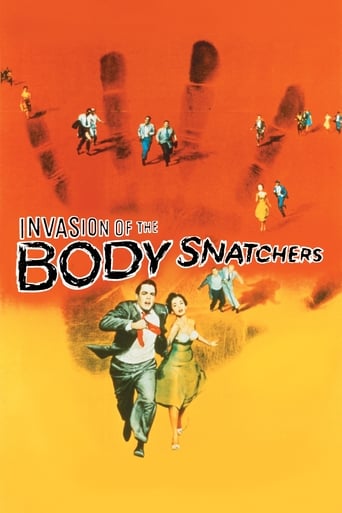
Invasion of the Body Snatchers (1956)
An earlier American film in which the threat looks exactly like the people we know, and in which fear carries political weight.
Jump forward
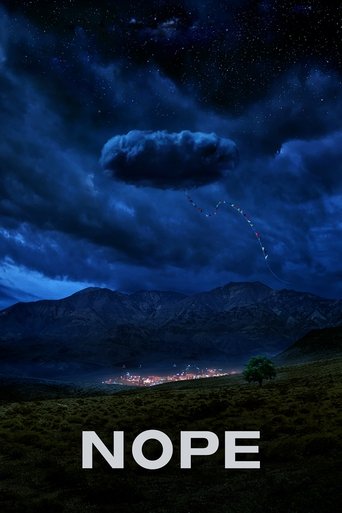
Nope (2022)
Peele's next film shows how he developed his approach, turning from home invasion to a large-scale story about spectacle.