Comedy · Drama · War
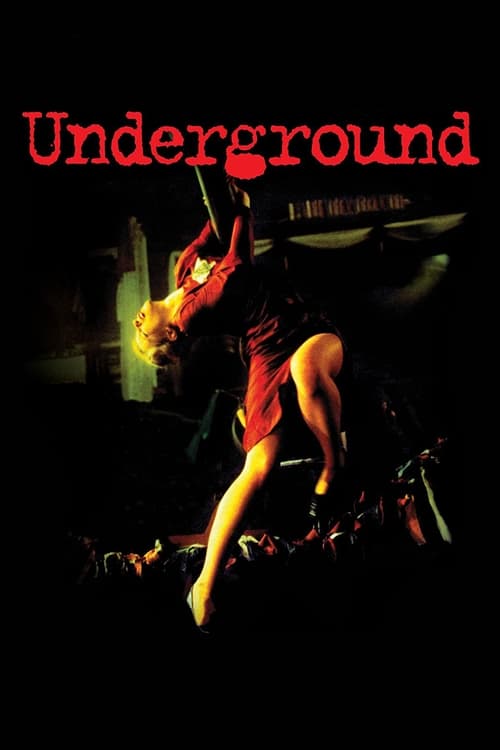
Underground
Yugoslav (Подземље)
1995 · Directed by Emir Kusturica · 170 min


Comedy · Drama · War
Yugoslav (Подземље)
1995 · Directed by Emir Kusturica · 170 min









Meaning, unpacked
Central idea
The film can be read as a story about how a country lives inside lies it half knows are lies. Its central metaphor, a hidden world cut off from the truth, asks who profits from keeping people in the dark and why they choose to stay.
What it means
Underground can be read as a story about how a country lives inside lies it half knows are lies. Its central image is a hidden world, cut off from the truth, and it keeps asking two questions. Who profits from keeping people in the dark? And why do those people choose to stay there?
Marko builds a false world for others to live in. Down in the cellar, the workers sing, hold weddings and keep up daily routines, which shows how an invented reality can feel complete. Power depends on controlling what people believe, whether it's Party myth, wartime fear or later nationalism. Yet people keep dancing through disaster. That vitality is hope, but it is also a way of avoiding responsibility. Marko and Blacky's bond, affectionate, competitive and exploitative all at once, stands in for something much bigger. By the riverside ending, satire has turned into elegy, mourning Yugoslavia while asking how it ended.
Why it mattered
In 1995, as Yugoslavia was breaking apart, Kusturica made the most ambitious film about it. Instead of solemn realism, he used farce, brass bands and surreal invention to look at war, loyalty and national myth. Few films mix slapstick and catastrophe so boldly. It won him the Palme d'Or at Cannes, and it was praised for its energy, invention and music.
It also closed a long tradition of state-sanctioned partisan myth by turning that myth into tragicomedy. Its style carries its ideas: a script from a stage play, mobile cameras, crowded frames and a score by Goran Bregović that pulls characters along rather than commenting on them. It is a fable, not a faithful history, and it plays openly with how history is staged and remembered.
Before anyone tells you what to think: what did you make of it?
Log in to rate it and leave commentsIt takes one click with Google or an email link. You come straight back here.
Rate it, keep your notes, and find the next film.
Free, no ads. Your journal, your lists, a Cine Guide that remembers you.
Create your free spaceThe film helped define a recognisable image of Balkan cinema abroad: brass-band music, chaotic comedy and political allegory. Later films about the Yugoslav wars, even those opposed to Kusturica's view, often worked in its shadow. Bregović's music reached far beyond cinema, and he later toured with his own Wedding and Funeral Orchestra. Its subtitle, Once Upon a Time There Was a Country, made it a reference point in talk about Yugoslavia's collapse and Yugoslav nostalgia. Teachers use it to explore national allegory, myth-making and propaganda.
It was also fiercely attacked, mainly in France and in the former Yugoslavia, for what some saw as a politically one-sided view of the Balkan wars. Some called it Serbian nationalist propaganda, and that remains disputed. Kusturica denied it, and the film mocks its own heroes too. Today it is still regarded as his most ambitious work and one of the key European films of the 1990s. Many viewers admire its craft and still disagree about what it means.
What happens
In the early 1990s civil war, Marko the arms dealer profits while Blacky and Jovan, still lost in the old world, are caught in the violence and most of the main characters die. The dead and living then gather at a riverside wedding.
The last image
The strip of land where the wedding party stands breaks away from the shore and drifts off across the water.
Three readings
What it says
The film closes by turning satire into mourning. It shows a people who kept feasting through lies and disaster, and it won't settle whether that spirit is hope or evasion. That is why the ending is left open.
Or follow an idea from this film

Continue the director
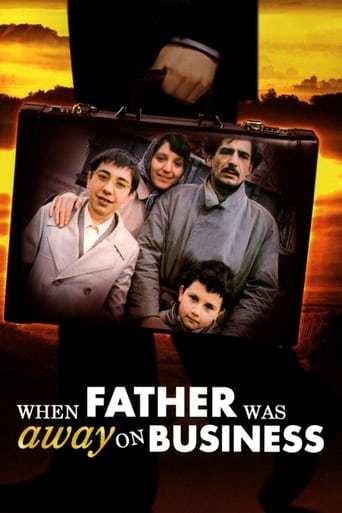
When Father Was Away on Business (1985)
Kusturica's first Palme d'Or winner. A quieter story of 1950s Yugoslavia seen through a boy's eyes, it shows the humane base beneath his later excess.
See what influenced it
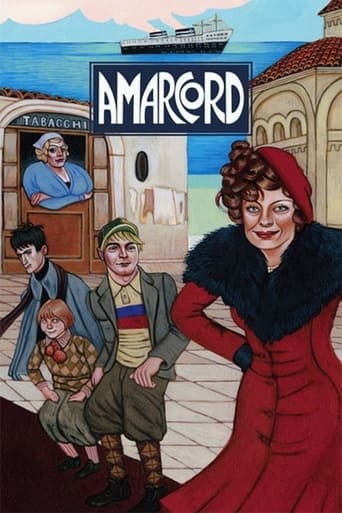
Amarcord (1973)
Fellini's festive, grotesque memory-comedy shows the carnival tradition that feeds Underground's crowds, parades and political satire.
Compare another approach
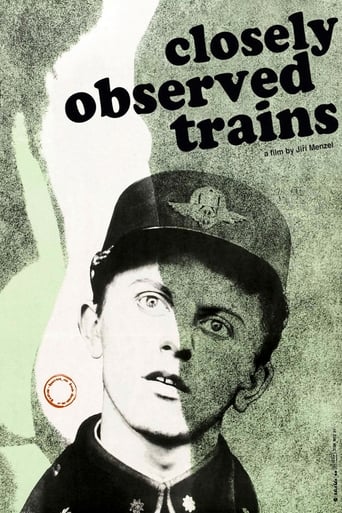
Closely Watched Trains (1966)
Another Central European film that uses comedy and tenderness to look at war and occupation, in a gentler Czech register.
Compare another approach
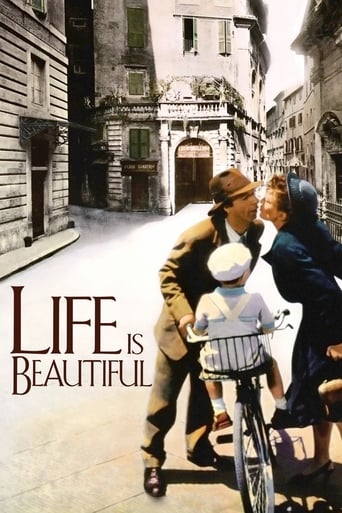
Life Is Beautiful (1997)
Also a tragicomedy about war built on a protective lie, so it raises similar questions about humour, deception and moral limits.

Follow the idea
No Man's Land (2001)
A Bosnian war film that sees absurdity and cruelty without carnival, a useful contrast with Kusturica's style and politics.