Drama
Under the Sun of Satan
French (Sous le soleil de Satan)
1987 · Directed by Maurice Pialat · 98 min


Drama
French (Sous le soleil de Satan)
1987 · Directed by Maurice Pialat · 98 min





Meaning, unpacked
Central idea
The film can be read as an inquiry into whether holiness and evil can be recognised in ordinary lives, and what it costs a person who believes he must confront both without protection.
What it means
Under the Sun of Satan follows two lines that finally meet. A priest, Donissan, believes he must face evil with nothing to protect him. A girl, Mouchette, refuses her family's respectability and commits a violent act. The film asks whether holiness and evil can be recognised in ordinary lives, and what it costs a man who thinks he has to confront both.
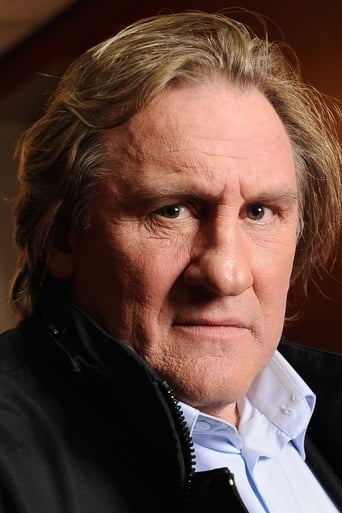
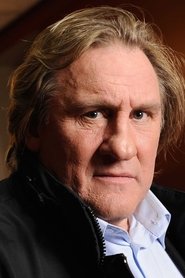
Donissan, played by Gérard Depardieu, lives his faith as struggle, full of fear and self-contempt, and you feel it in his body. Evil arrives looking friendly: on a night road, a talkative stranger walks beside him, and a quiet conversation becomes a spiritual trial. That ordinariness is what disturbs. When he meets Mouchette, played by Sandrine Bonnaire, his insight is devastating, not saving. The film never settles whether his gifts are grace or delusion, and the ending leaves you to decide whether you have watched a saint's death or a broken man's.
Why it mattered
In 1987 Maurice Pialat took a way of filmmaking known for rough, quarrelsome everyday life and turned it on sin, grace and the devil. The result was unlike any other religious film. Instead of stylised calm, he gave you raw performances, abrupt scenes scenes that begin late and end suddenly, and plain daylight, so the supernatural intrudes on a world that looks entirely ordinary.
It also changed what a Bernanos adaptation could be. Bresson had adapted the author before, but Pialat kept the ideas from the 1926 novel and turned its literary intensity into rough speech and bodily performance, so theology becomes drama between people. It won the Palme d'Or at Cannes in 1987, though part of the audience whistled and booed. Pialat answered from the stage with a raised fist, saying that if they didn't like him, the feeling was mutual.
Before anyone tells you what to think: what did you make of it?
Log in to rate it and leave commentsIt takes one click with Google or an email link. You come straight back here.
Rate it, keep your notes, and find the next film.
Free, no ads. Your journal, your lists, a Cine Guide that remembers you.
Create your free spaceThe hostile crowd is sometimes taken as proof the film was rejected, but the jury gave it the festival's top prize. Critics were divided: some admired its force and seriousness, others found it harsh, obscure or out of step with fashionable French cinema. Its blend of realism and metaphysics anticipated later French filmmakers such as Bruno Dumont, who also pair rough textures with a serious look at spiritual extremity.
Its reputation has grown steadily. Today it is seen as a major work in Pialat's career and one of the most radical religious films in French cinema, valued for refusing easy spirituality and for the physical commitment of its performances. It reworked star images too, casting Depardieu against his earthy, charismatic persona. It now turns up in retrospectives and courses on spiritual cinema, usually set beside Bresson and Dreyer.
What happens
Donissan dies in the confessional, worn out by a lifetime of struggle. The faithful treat him as a saint, and his old superior, Menou-Segrais, is left to judge what he has seen. The film won't tell you which verdict is right.
The last image
Donissan lies dead in the confessional while the faithful gather around him and Menou-Segrais looks on.
Three readings
What it says
The film is about whether holiness and evil can be recognised in ordinary lives, so it can't hand you a verdict. It ends on other people's reactions, leaving you with the uncertainty Donissan lived with, and no comfort.
Or follow an idea from this film


Continue the director
À nos amours (1983)
Pialat's family drama gives Sandrine Bonnaire her breakthrough and shows the same volatile, raw direction of actors in a contemporary setting.
See what influenced it
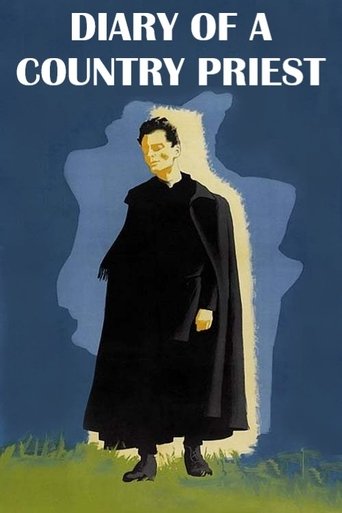
Diary of a Country Priest (1951)
Bresson's adaptation of another Bernanos novel shows how restraint and stylisation can approach the same subject from the opposite direction.
Compare another approach
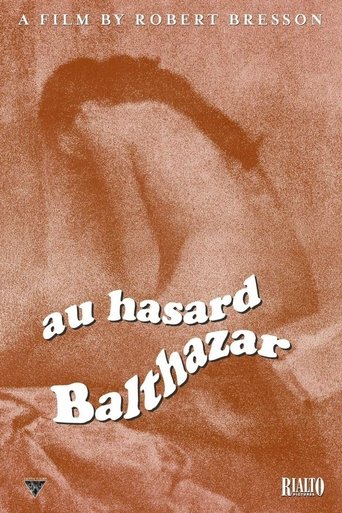
Au Hasard Balthazar (1966)
Bresson's study of suffering and innocence can be set beside Pialat's film as a different version of spiritual cinema.
Follow the idea
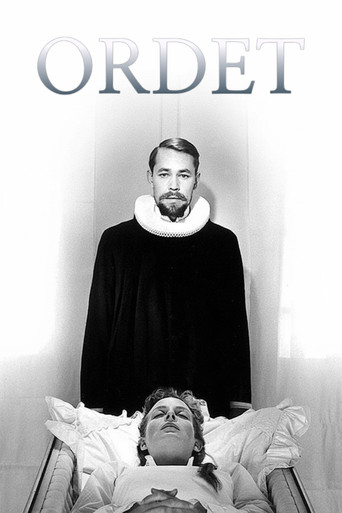
Ordet (1955)
Dreyer's story of faith and miracle in a rural community pursues the same question of what the supernatural means in ordinary life.
Jump forward
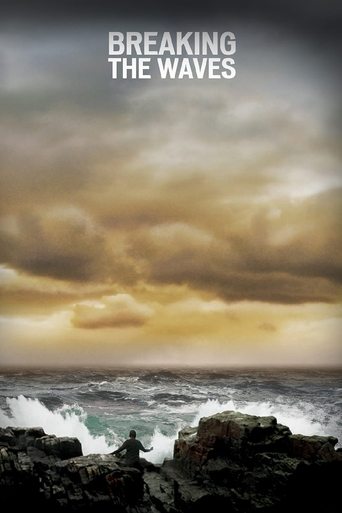
Breaking the Waves (1996)
Lars von Trier's film also uses rough, handheld realism to examine faith, sacrifice and ambiguity.