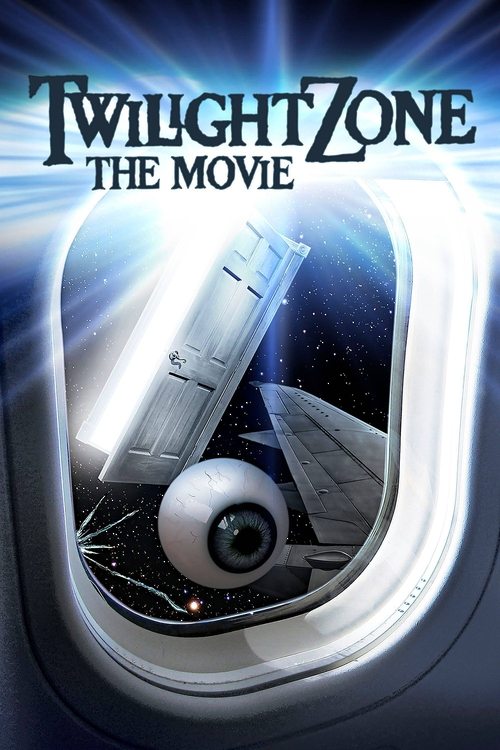
Horror · Fantasy · Science Fiction
Twilight Zone: The Movie
American
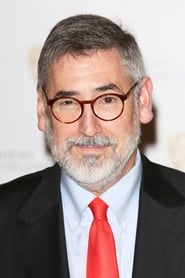
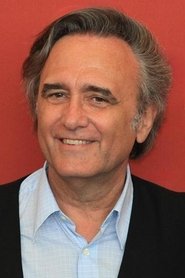
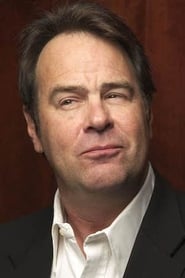
1983 · Directed by John Landis & Joe Dante & Steven Spielberg & George Miller · 101 min


Horror · Fantasy · Science Fiction
American
1983 · Directed by John Landis & Joe Dante & Steven Spielberg & George Miller · 101 min







Meaning, unpacked
Central idea
The film can be read as a study of how people respond when the rules of their world are rewritten: with cruelty, with longing, with fear or with compassion. Each segment tests a character against an uncanny force that reveals who they are.
What it means
Four directors, four stories, one question: what do people do when the rules of their world are rewritten? Here the answers are cruelty, longing, fear and compassion. Each character meets something uncanny, and it simply shows who they were all along. A bigot is made the target of hatred. Older people are offered their youth. A family is terrorised by one child. A passenger sees a creature on a wing that nobody else believes in.
The themes follow the voices. "Time Out" teaches empathy through role reversal, in the Serling tradition. "Kick the Can" asks whether people would really want their youth back, and gently answers yes and no. "It's a Good Life" makes the horror a child with unlimited power and no emotional restraint. In the plane story the terror is double: the thing on the wing, and the fear of being judged mad. Every story ends on a turn that reframes what came before, which is the series' small moral device.
Why it mattered
You can enjoy this film as a comparison of voices. John Landis leans toward social allegory and hard realism. Steven Spielberg favours amber-lit sentiment. Joe Dante goes for cartoon excess. George Miller builds a kinetic thriller seen through one man's eyes. Same premise, four very different instincts.
It was also an early case of Hollywood turning a classic TV series into a feature, bringing small casts and big ideas to the cinema screen with a Jerry Goldsmith score. It caught physical effects at their most inventive, with Rob Bottin's creature work and a mechanical gremlin, just before digital methods arrived. Richard Matheson, an original series writer, adapted three segments. And the opening car ride plays on your familiarity with television themes: comfort first, then shock, with you complicit.
Before anyone tells you what to think: what did you make of it?
Log in to rate it and leave commentsIt takes one click with Google or an email link. You come straight back here.
Rate it, keep your notes, and find the next film.
Free, no ads. Your journal, your lists, a Cine Guide that remembers you.
Create your free spaceThe film is not simply a set of remakes. Three segments remake television episodes, but "Time Out" is Landis's original story. And it is not right to call the production cursed. On 23 July 1982, a helicopter crashed during a night shoot, killing actor Vic Morrow and child actors Myca Dinh Le and Renee Shin-Yi Chen. Specific decisions about effects, a helicopter and children at night caused those deaths. Landis and four others were acquitted of involuntary manslaughter in 1987. The tragedy led to much closer scrutiny of child labour, stunts and helicopter work on sets.
Creatively, the film helped keep Serling's series in view until its 1985 return to television, and Dante's Gremlins followed soon after. The creature on the wing, seen by only one person, became shorthand, parodied by The Simpsons. Reviews at the time were mixed, finding it uneven. Today fans rate Miller's and Dante's segments most highly, while the first is hard to separate from the tragedy.
What happens
The film ends on the airliner story: the passenger shoots the gremlin and saves the plane, but he's carried off as a madman until the torn wing proves him right. The stories' shared turn is that the uncanny reveals who people are.
The last image
The ambulance carrying the raving passenger drives away, and the damaged wing is left in view as proof he was telling the truth.
What it says
Every story tests someone against something uncanny and shows who they were all along. The last one adds a quiet sting: being right isn't enough if no one believes you. Each segment closes on a turn that reframes what came before.
Or follow an idea from this film

Follow the idea
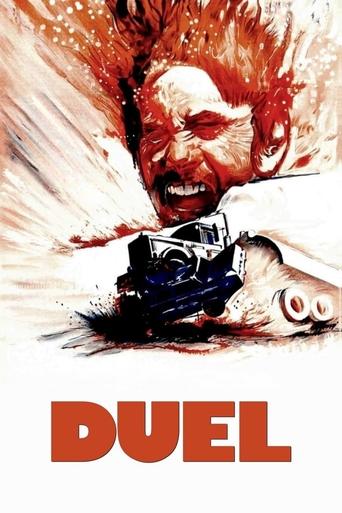
Duel (1971)
Written by Richard Matheson, who adapted three of this film's segments, and directed by Spielberg, it is a lean single-premise terror story in the same spirit.
Continue the director
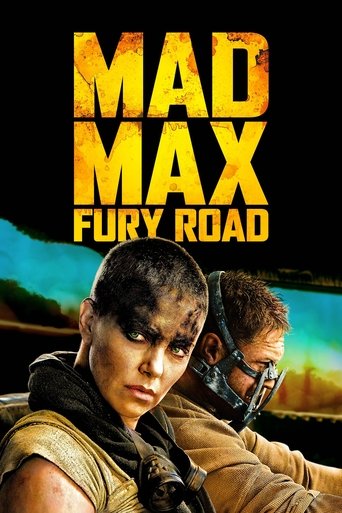
Mad Max: Fury Road (2015)
George Miller's most famous film shows the kinetic, physical filmmaking that made his segment here stand out, on a far larger scale.
Compare another approach
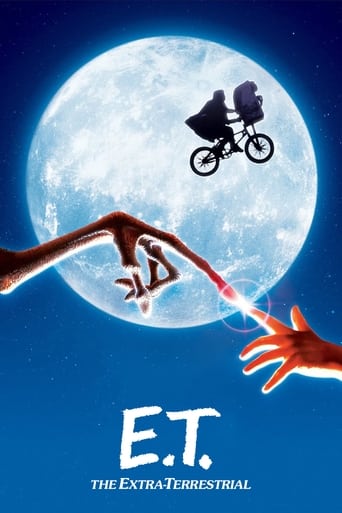
E.T. the Extra-Terrestrial (1982)
Spielberg's warm, childlike wonder in 'Kick the Can' can be compared with his most celebrated fantasy of the same period.
Explore the era or movement
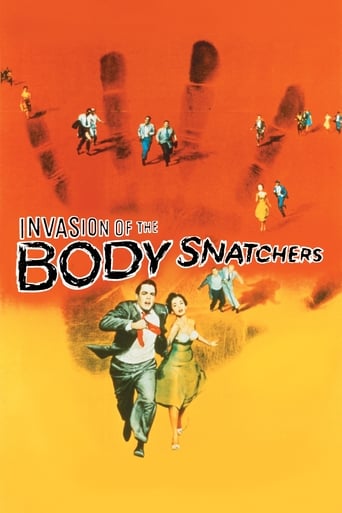
Invasion of the Body Snatchers (1956)
A 1950s science-fiction chiller built on paranoia and disbelief, the same atmosphere as the Serling era, and a clear ancestor of this film's tone.
See its influence
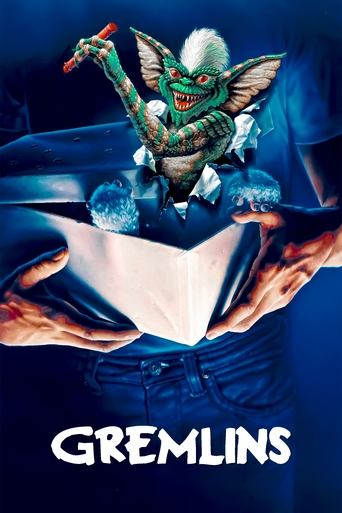
Gremlins (1984)
Dante's feature-length follow-up to his segment, mixing suburban comedy with creature horror.