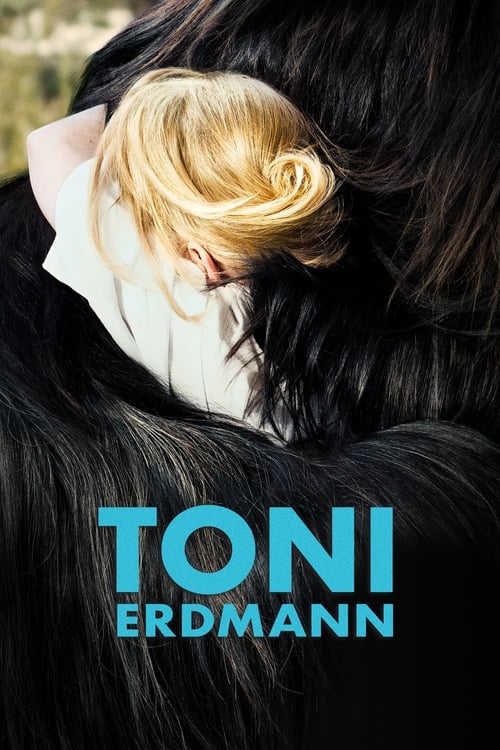
Comedy · Drama
Toni Erdmann
German
2016 · Directed by Maren Ade · 162 min


Comedy · Drama
German
2016 · Directed by Maren Ade · 162 min





Meaning, unpacked
Central idea
The film can be read as a comedy about two incompatible ways of surviving life: the father's playful refusal to take things seriously, and the daughter's disciplined seriousness. Each is partly armour, and each is partly a failure to be vulnerable.
What it means
Toni Erdmann is a comedy about two ways of surviving. Winfried, a father in a cheap wig and oversized false teeth, plays, because play keeps him human. His daughter Ines, a consultant in Bucharest, performs and controls, because in her world that is how you get by. The film never says who is right. Each is partly armoured, and each is partly afraid of being vulnerable.
They love each other, but have no way to meet. That is why the jokes sting. Ines works among consultancy jargon, team-building and talk of outsourcing, where people are very busy and rarely sincere, and she is a woman among male managers who has learned to be agreeable and efficient. The film asks what you do with affection when ordinary conversation has failed. Its quiet answer comes in the last scene, a talk about photographs and memory. You can't keep a moment like that. You can only stay in the room, a little foolish, and be there.
Why it mattered
Maren Ade lets scenes run past the point where most films would cut, so you sit in the discomfort. The film is very long, and that is deliberate: the comedy builds up, so the late emotional payoffs feel earned. The camera is handheld and close, in natural light, and nothing in the framing tells you something is funny.
There is no underscore either. Music appears only when the characters make it themselves, so you decide where to laugh and where to feel for them. The film stretched what a comedy could be in length, tone and emotional ambition, and showed that laughter and embarrassment can arrive together.
Before anyone tells you what to think: what did you make of it?
Log in to rate it and leave commentsIt takes one click with Google or an email link. You come straight back here.
Rate it, keep your notes, and find the next film.
Free, no ads. Your journal, your lists, a Cine Guide that remembers you.
Create your free spaceAt Cannes in 2016 many critics named it the best film in competition. It left without a main jury prize, though it won the FIPRESCI critics' prize, and the omission became one of that year's talking points. Germany then submitted it for the Oscar and it was nominated for Best Foreign Language Film; the winner was Asghar Farhadi's The Salesman.
It helped popularise long, awkward social comedy in festival cinema, a mode you can see in later satires like The Square and Triangle of Sadness. It raised the profile of Sandra Hüller and of Ade's generation of German filmmakers. Today it is regarded as one of the key European films of its decade, proof that comedy and art cinema can sit together.
What happens
After the party, Winfried goes home. Ines starts rethinking her life. The film ends in a German garden, where father and daughter talk about photographs and memory. There's no big reconciliation, only a quiet moment together.
The last image
Father and daughter are in a garden, talking about photographs and memory, with nothing settled between them.
What it says
The ending says closeness lives in small gestures, not grand resolutions. The costume scene already delivered the big emotional release, so the film steps back into an ordinary place and trusts you to feel a moment you can't hold on to.
Or follow an idea from this film

Compare another approach
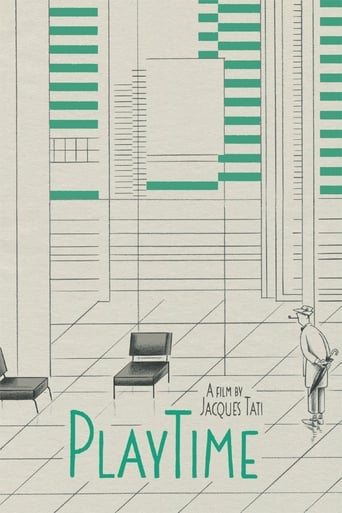
PlayTime (1967)
Tati also turns the modern office and hotel into a stage for comedy. Compare his formal, wide-framed visual humour with Ade's close, human-scale observation.
Follow the idea
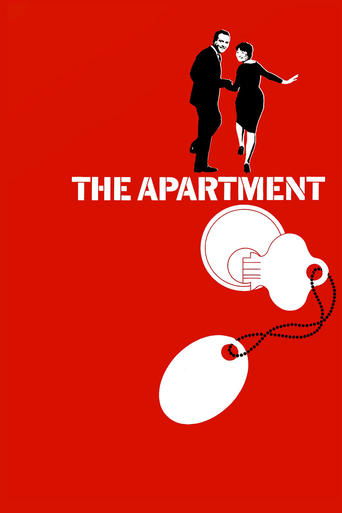
The Apartment (1960)
Billy Wilder's comedy-drama is an earlier satire of corporate life and personal loneliness, where laughter and heartbreak sit side by side.
Follow the idea
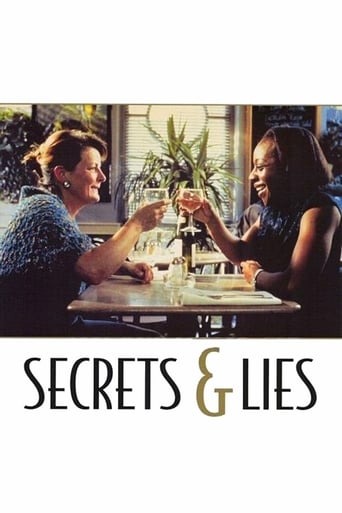
Secrets & Lies (1996)
A British family drama that also finds comedy in awkwardness and discomfort, with a similar patience for long conversational scenes.

Jump forward
Anatomy of a Fall (2023)
Sandra Hüller again plays a controlled woman under intense scrutiny, in a very different genre that shows her range.
Jump forward
The Square (2017)
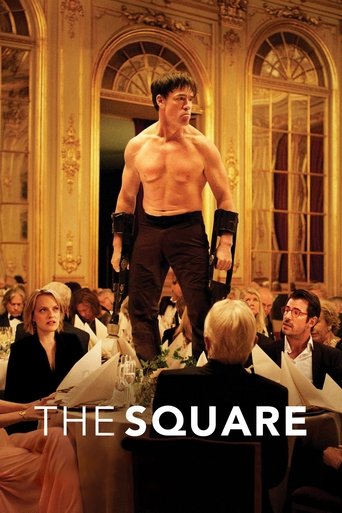
Palme d'Or winner the following year, with comparable set pieces of social embarrassment and a satirical eye on modern institutions.