Documentary
Titicut Follies
American
1967 · Directed by Frederick Wiseman · 84 min


Documentary
American
1967 · Directed by Frederick Wiseman · 84 min
Meaning, unpacked
Central idea
The film can be read as an examination of institutional power: how a place meant to care for people can reduce them to objects, and how routine, humour and indifference make that seem normal to those running it.
What it means
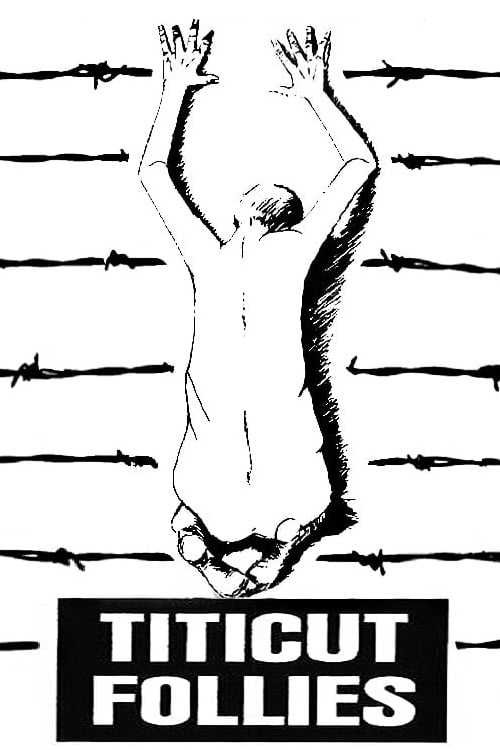
Titicut Follies takes you through a state institution at Bridgewater, Massachusetts. There is no story and no central character. You meet inmates and staff and watch how they treat one another, in a film that begins and ends with the institution's own variety show.
The central idea is institutional power: a place meant to care for people ends up reducing them to objects. What stays with you is how ordinary it seems to those in charge. The cruelty comes through routine, casual banter and bureaucratic language, so it feels systemic, not the fault of a few bad individuals. Patients are stripped and discussed in front of themselves as problems to manage, and the film keeps asking what is left of a person under that treatment. The cheerful show on either side makes everything between harder to watch.
Why it mattered
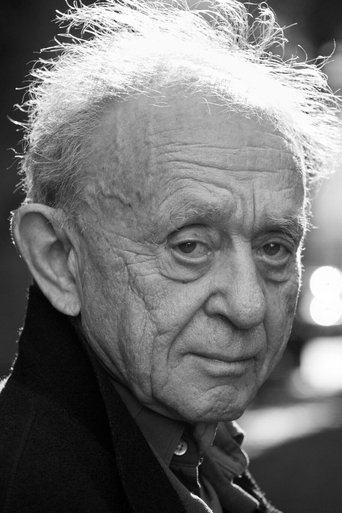
In 1967 this was new ground for American documentary. Frederick Wiseman took the observational style, with no narrator, no interviews and no music, into a closed institution and asked what a camera owes to people who cannot protest being filmed. He directed and recorded the sound himself, working with cinematographer John Marshall. Shooting was fast. The editing took far longer, because the argument is built almost wholly in the cutting room.
It also mattered because the state fought it. Massachusetts sued over the privacy and dignity of inmates, not obscenity, and the film was withheld from the general public. Later rulings allowed only limited showings, to audiences such as professionals. A judge lifted the restrictions in 1991.
Before anyone tells you what to think: what did you make of it?
Log in to rate it and leave commentsIt takes one click with Google or an email link. You come straight back here.
Rate it, keep your notes, and find the next film.
Free, no ads. Your journal, your lists, a Cine Guide that remembers you.
Create your free spaceThe film set the template for Wiseman's long run of unnarrated portraits of hospitals, schools, welfare offices and other institutions, and it strengthened American observational documentary's claim to examine power. Its legal history became a reference point for debates about filming vulnerable people, and it is still used to teach consent, privacy and media ethics.
For years most people knew it only by reputation. Critics praised its power, officials in Massachusetts attacked it, and many film and civil liberties figures defended it. Public television broadcast it in 1993. Today it is seen as a founding work of American observational documentary, not just a censorship case. Its hardest question is still open: is showing vulnerable people at their worst exploitation, or witness? The film doesn't answer that for you. It may be the point.
What happens
The film ends as it began, with a variety show, then cuts to men in their cells and the closing of doors. Nothing is resolved, because nothing at Bridgewater has changed. The show is simply what the institution looks like from the front.
The last image
Men sit in their cells as the doors close on them, one after another, with no commentary.
What it says
Ending where it began traps you in the institution's own circuit, with no escape and no verdict. Wiseman withholds a conclusion on purpose. The closing doors and the cheerful show make the argument, and leave you to judge what you have witnessed.
Or follow an idea from this film

Continue the director
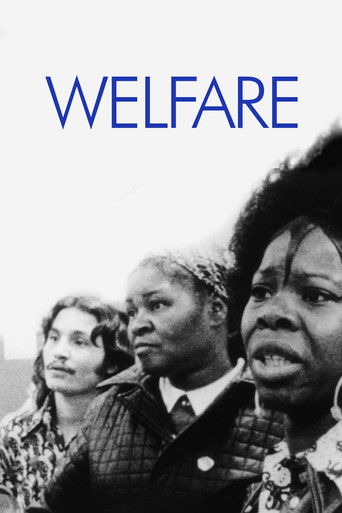
Welfare (1975)
Wiseman's mature method applied to a social-services office. It shows how his portrait of an institution develops from this first film.
See what influenced it
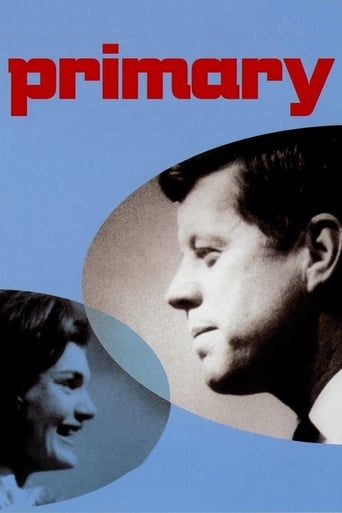
Primary (1960)
A foundational direct-cinema film. Seeing it first shows the observational techniques Wiseman adopted and then turned toward a harsher subject.
Compare another approach
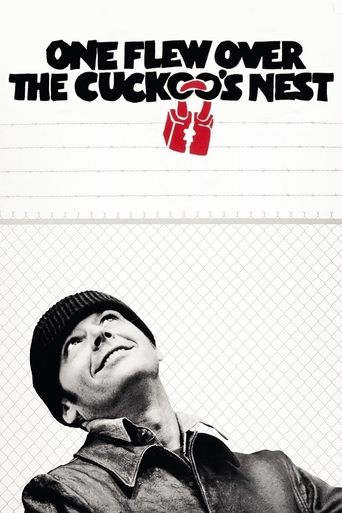
One Flew Over the Cuckoo's Nest (1975)
A fictional drama set in a psychiatric ward. Comparing it with this documentary shows how fiction and observation present institutional power differently.

Follow the idea
Salesman (1969)
Another American direct-cinema classic, following door-to-door Bible salesmen. It shares the unnarrated approach but sets it in a very different world.
Jump forward
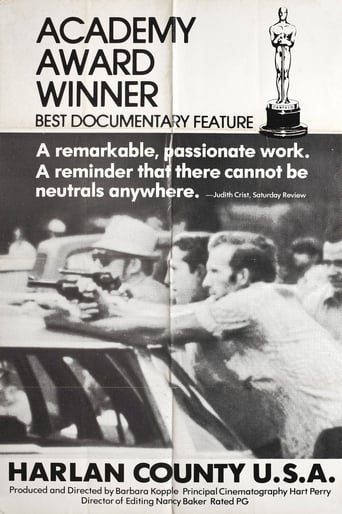
Harlan County U.S.A. (1976)
An observational documentary that takes sides openly while still relying on watching events unfold, extending the tradition into committed filmmaking.