Drama · History
Throne of Blood
Japanese (蜘蛛巣城)
1957 · Directed by Akira Kurosawa · 108 min


Drama · History
Japanese (蜘蛛巣城)
1957 · Directed by Akira Kurosawa · 108 min



Meaning, unpacked
Central idea
The film can be read as a study of how ambition becomes a closed loop. A prophecy plants an idea, fear and a partner's pressure feed it, and each act of violence demands another until the world itself turns against the man who set it going.
What it means
Washizu hears from a spirit in the forest that he will rule. Pushed by his wife, Asaji, he kills his lord and takes the throne. The film's central idea is that ambition becomes a closed loop. A prophecy plants a thought, fear and a partner's pressure feed it, and each act of violence demands another, until the world turns against the man who set it going. His rise is also a descent: every step up costs him trust, sleep and certainty, until the title he wanted becomes a trap.
The spirit never commands anything, yet her words are treated as orders, so the film asks whether prophecy predicts the future or simply gives a man permission. Kurosawa shows guilt rather than explaining it, through fog, birds, ghosts and Asaji's hands that cannot be cleaned. Loyalty to a lord is the very thing Washizu betrays, and in the end it turns on him. The chorus chants over a ruin and tells you this is one tale among many, and that it will happen again.
Why it mattered
This is Kurosawa's version of Macbeth, but not a line-by-line copy. It follows the play's outline and uses almost none of its words. The dialogue is sparse and mostly original, and motive moves into action, setting and image. Fog, bare volcanic ground, and huge gates that make people look small do the work that speeches do elsewhere. Kurosawa had waited for years, and by his own account held back until after Orson Welles's 1948 version, then chose a completely different approach.
Before anyone tells you what to think: what did you make of it?
Log in to rate it and leave commentsIt takes one click with Google or an email link. You come straight back here.
Rate it, keep your notes, and find the next film.
Free, no ads. Your journal, your lists, a Cine Guide that remembers you.
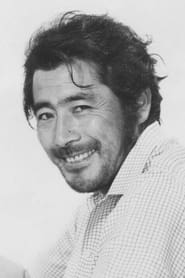
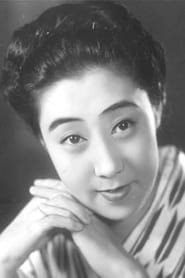
Create your free spaceThe film also showed how cinema can borrow another art form's discipline without becoming filmed theatre. Isuzu Yamada's stillness and shuffling walk come from Noh, and her calm cracks into ritual movement, madness as choreography. Toshiro Mifune's raw physicality is set against it, and the friction between them is part of the power. At the end, his own men shoot arrows, reportedly real, close to Mifune, and his fear shows.
On release the film was well regarded in Japan but did more modest business than Kurosawa's biggest hits. Abroad, its reputation grew, as critics admired its stylisation and Mifune's intensity. Some early voices found it cold and distant. Over time, that discipline has come to seem its strength.
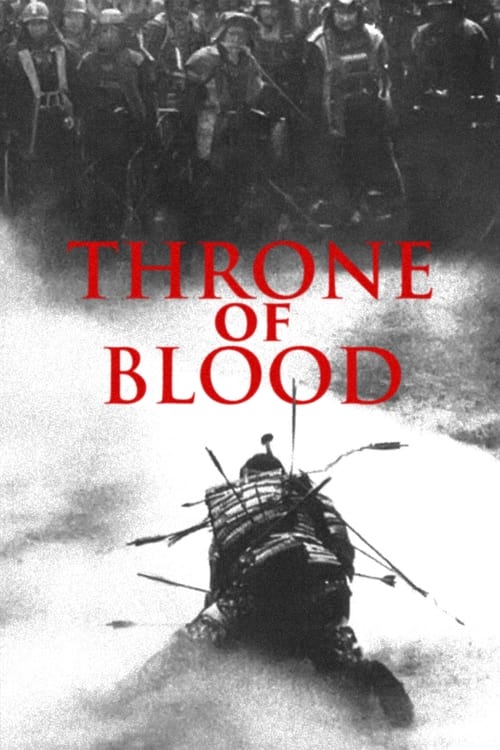
It helped show that Shakespeare can be translated into another culture's visual language, not only its dialogue. Kurosawa carried the idea into Ran, and later Macbeth films, from Polanski's to Joel Coen's black-and-white version, work in its shadow. Today it is ranked among the finest Shakespeare films, and it is a standard case study in classrooms. The image of Washizu and the arrows is among the best known in Kurosawa's work.
What happens
Washizu returns to the spirit, who says he is safe until the forest moves. It does: the enemy army advances behind cut trees, and his own panicked officers turn on him, shooting him down with arrows.
The last image
The fog closes over the ruined castle site as the chorus chants its warning.
What it says
The prophecy comes true, yet no magic breaks Washizu. His own treachery returns as the betrayal of his men. The chorus makes the point: this ruin is one story among many, and it will repeat.
Or follow an idea from this film

See what influenced it
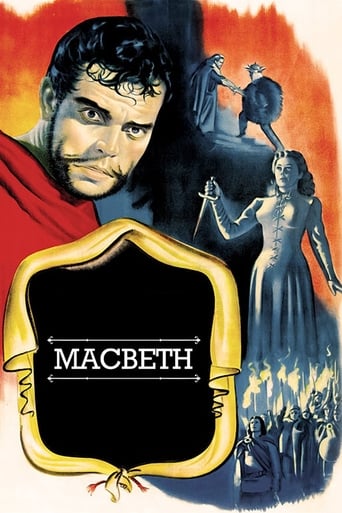
Macbeth (1948)
Welles's low-budget, expressionist take on the same play. Compare how a Hollywood-trained showman and a Japanese master turn the same story into very different visual worlds.
Continue the director
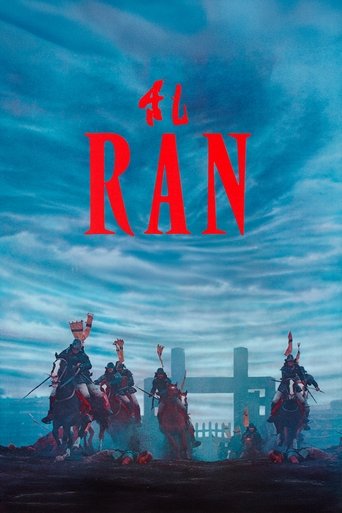
Ran (1985)
Kurosawa's second great Shakespeare adaptation, this time in colour and on an epic scale, shows how far the ideas of Throne of Blood could expand.
Continue the director
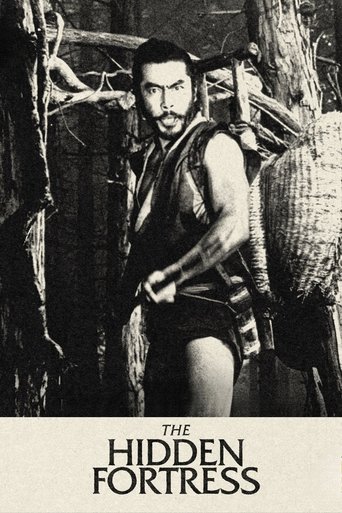
The Hidden Fortress (1958)
Made straight after, this brisk adventure shows Kurosawa and Mifune in a lighter mode, and is a useful contrast with the severity here.
Explore the era or movement
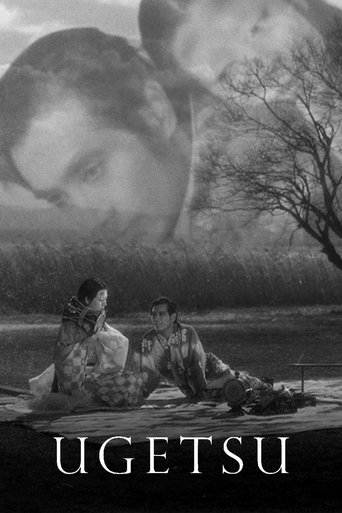
Ugetsu (1953)
Mizoguchi's ghost story shares the fog, supernatural unease and theatrical influence of Japanese tradition from the same golden age.
Follow the idea
Kwaidan (1965)
A ghost-story anthology that pushes stylised design and Japanese theatrical aesthetics even further.