Drama · History · War
The Zone of Interest
British
2023 · Directed by Jonathan Glazer · 105 min


Drama · History · War
British
2023 · Directed by Jonathan Glazer · 105 min






Meaning, unpacked
Central idea
The film can be read as a study of how ordinary comfort, ambition and domesticity sit alongside atrocity, and how ignoring something is itself an act. It turns the question on the viewer: how much do we hear and look away from?
What it means
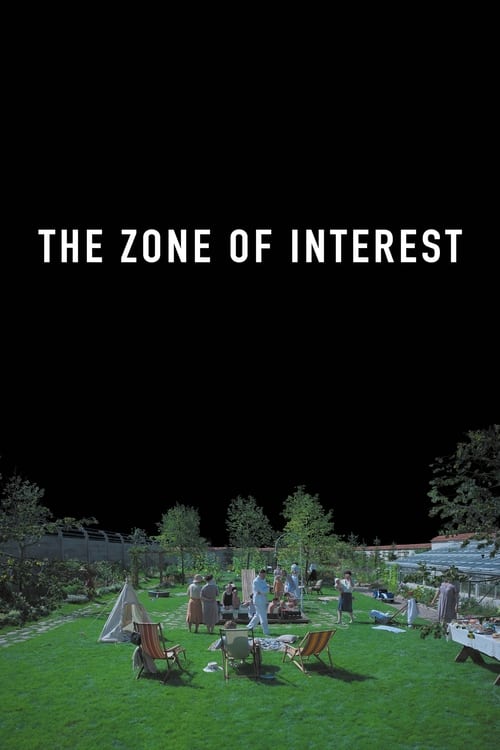
The Zone of Interest is a film about what you choose not to hear. A family lives in a house with a garden and a pool, right beside the wall of Auschwitz. Rudolf Höss commands the camp, his wife Hedwig runs the home, and the film mostly just watches them live. Its central idea is simple and hard to shake: ordinary comfort, ambition and domestic routine can sit beside atrocity, and ignoring something is itself an act.
The film makes you part of that. A layered soundscape of machinery, gunshots, screams and furnace noise runs under every scene and is never explained. The family has stopped hearing it. You can't. That gap is where the film passes judgement. The Hösses talk about gardens, holidays and promotion, the language of any middle-class family, and Hedwig's pride in her home rests on plunder and murder. Rudolf's world is postings, paperwork and approval: atrocity organised like a career. The title comes from a Nazi term, Interessengebiet. The zone of interest. It's worth asking what falls inside your own.
Why it mattered
The film took a different road for a Holocaust film. It almost never shows the camp. The horror comes through sound, implication and the details of the family's routine and possessions. It opens on a black screen and a low, dissonant drone from Mica Levi, so you listen before you see. Sound designer Johnnie Burn built the soundscape from research into the camp, and it does the work most films give to images.
Before anyone tells you what to think: what did you make of it?
Log in to rate it and leave commentsIt takes one click with Google or an email link. You come straight back here.
Rate it, keep your notes, and find the next film.
Free, no ads. Your journal, your lists, a Cine Guide that remembers you.
Create your free spaceThe method was unusual too. Glazer and cinematographer Łukasz Żal placed around ten cameras in the house and garden, all running at once, with the actors working without a crew in the room. That gives a detached, almost surveillance look, and it makes you an unforced observer, asking why the surface is so easy to watch. Glazer also dropped the invented characters of Martin Amis's novel and used the real Höss family, after seeing how close the house stood to the wall.
The film premiered at Cannes in 2023, won the Grand Prix, and was widely praised, especially for its sound. At the Oscars it had five nominations and won two: International Feature Film and Sound. Some viewers found it cold, and some raised ethical concerns about its method. It also revived the debate about whether the Holocaust can be shown directly.
Its reach has gone beyond cinema. Critics now use it as shorthand for living comfortably beside atrocity, next to Hannah Arendt's phrase, the banality of evil. Glazer's 2024 acceptance speech linked the film's warning about dehumanisation to the war in Gaza. It drew an open letter of criticism from Jewish figures in entertainment, and others defended him. Today the film is often taught alongside Night and Fog and Shoah, and admired for its rigour, though its austerity still divides audiences.
What happens
Rudolf Höss, promoted after overseeing the deportation of Hungarian Jews, retches on a dark staircase in Berlin. The film cuts to the Auschwitz museum today, then returns to Rudolf, who descends into the darkness.
The last image
Rudolf walks down the dark stairwell and out of sight.
Two readings
What it says
The ending shows that feeling sick is not the same as changing. By cutting to the museum, the film asks what you do with memory today, and whether you look or look away.
Or follow an idea from this film


Continue the director
Under the Skin (2013)
Glazer's earlier science-fiction film also uses observation, hidden-camera techniques and sound design, and shows how he builds distance and disquiet.
Compare another approach
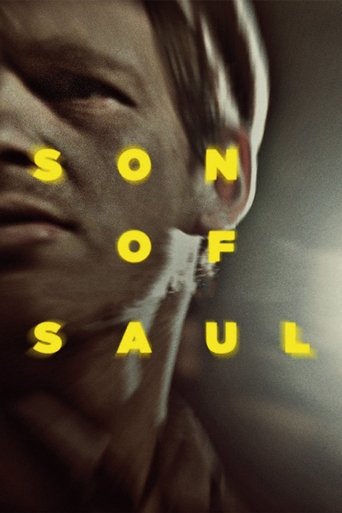
Son of Saul (2015)
Another recent film that shows the camps mainly through sound and a restricted frame, from a prisoner's point of view rather than the perpetrators'.
See what influenced it
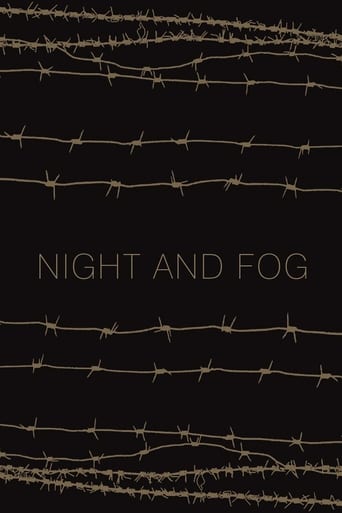
Night and Fog (1956)
A short, essential documentary that sets calm images against the history they conceal, and is a key ancestor of Glazer's method.
Compare another approach
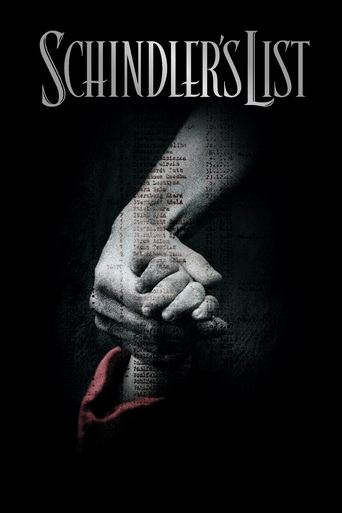
Schindler's List (1993)
A classical, emotional Hollywood treatment of the same period. Seeing it beside Glazer's film shows how differently cinema has approached the subject.
Explore the era or movement
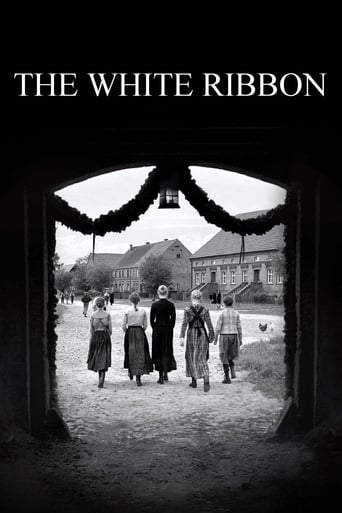
The White Ribbon (2009)
Michael Haneke's cool black-and-white study of a village community before the First World War also looks at complicity and the origins of cruelty through detached observation.