Drama · Romance
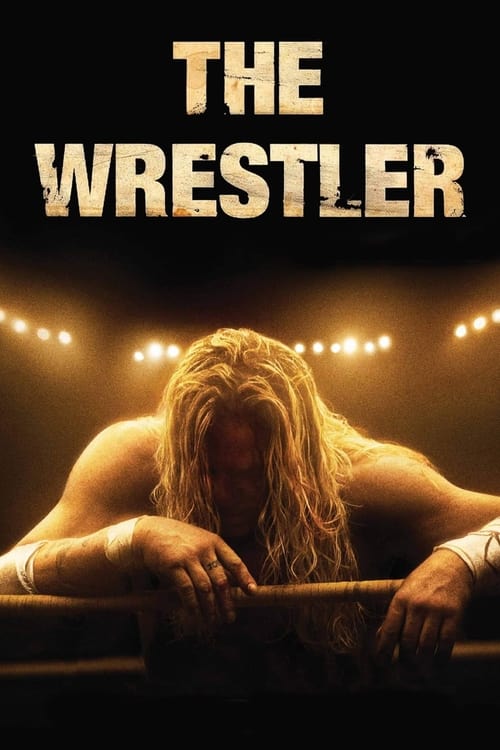
The Wrestler
American
2008 · Directed by Darren Aronofsky · 109 min


Drama · Romance
American
2008 · Directed by Darren Aronofsky · 109 min






Meaning, unpacked
Central idea
The film can be read as a study of a man who exists fully only in performance. The ring is both his livelihood and his only place of honesty, and ordinary life asks him for a self he has never learned to build.
What it means
Randy Robinson was a wrestling star in the eighties. Now he fights small shows, works a deli counter, and tries to win back his daughter, Stephanie. In the end he has to choose between the ring and everything else.
That choice is the heart of the film. As The Ram, Randy is known, loved and honest. As Robin, he has never learned to build an ordinary self. The film keeps asking whether a stage persona can be a truer self than the private one. Around that sit quieter themes: wrestling as physical work with real costs, industries that reward youth, a daughter who measures what the career has cost, and a locker room that offers a care the outside world does not. His tragedy is not that he loves the ring too much. It is that the ring is the one place where he has ever been fully seen.
Why it mattered
The Wrestler took pro wrestling, a world usually treated as a joke, and made a serious, quiet study of performance, pain and ageing. After the visual excess of Requiem for a Dream and The Fountain, Aronofsky made a plain, documentary-like drama. Maryse Alberti's handheld camera often follows Randy from behind, close to the Dardenne brothers' approach, so you share his path down the backstage corridor.
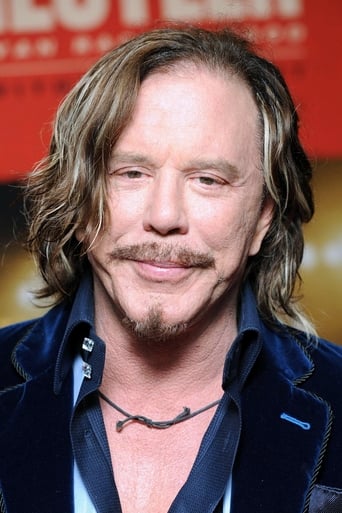
It also showed how much a simple story can carry. Robert D. Siegel's script keeps the plot small and lets repeated actions, like the workplace routine and the phone calls, hold the feeling. The matches use real independent wrestlers, including Ron Killings, and show both the choreography and the genuine damage. Critics praised it widely in 2008, especially Rourke's performance and its restraint. It won the Golden Lion at the Venice Film Festival, and for an independent drama it did modestly well at the box office.
Before anyone tells you what to think: what did you make of it?
Log in to rate it and leave commentsIt takes one click with Google or an email link. You come straight back here.
Rate it, keep your notes, and find the next film.
Free, no ads. Your journal, your lists, a Cine Guide that remembers you.
Create your free spaceRourke and Marisa Tomei were both nominated for Oscars, though neither won. Bruce Springsteen wrote the closing song after Rourke asked him, and it won a Golden Globe. The film helped revive the serious, low-budget drama about performers and bodies in pain, and it sits alongside Black Swan in Aronofsky's work. Later stories of sacrifice for a craft, such as Whiplash, share its mix of devotion and physical cost.
Today it is seen as one of the most affecting American dramas of its decade, and as the film that rescued Rourke's career. It is also read as a turning point for Aronofsky, proof that restraint suited him as well as spectacle. It remains a reference point whenever people talk about comeback performances, ageing performers, and the damage wrestling does to its athletes.
What happens
Randy gives up on his daughter, Cassidy and the deli, and goes to the anniversary rematch with his heart still failing. In the final seconds he climbs to the top rope for his finishing move and leaps. The film cuts to black.
The last image
Randy leaps from the top rope, and the screen cuts to black before he lands.
Two readings
What it says
The film won't tell you whether he lands, because that isn't the question. Randy picks the one place where he is fully seen over a life he never learned to build, and the cut to black leaves that choice with you.
Or follow an idea from this film
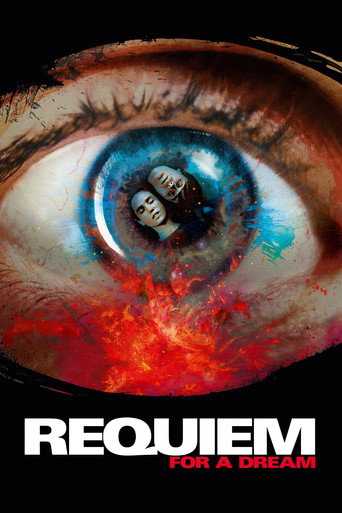

Continue the director
Requiem for a Dream (2000)
Aronofsky's earlier, far more stylised study of obsession and bodily ruin. Seeing it beside The Wrestler shows how much his method changed.
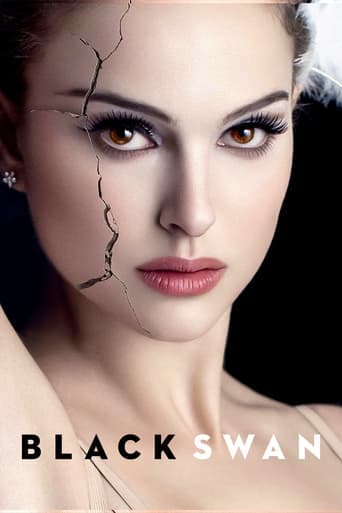
Jump forward
Black Swan (2010)
Aronofsky's own companion piece, about a ballerina instead of a wrestler. Both films track the cost of perfection through the performer's body.
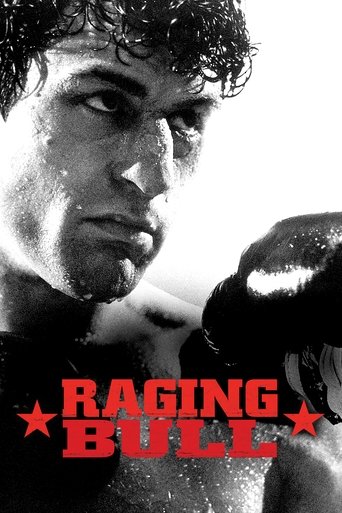
See what influenced it
Raging Bull (1980)
Scorsese's unsparing portrait of a boxer is a direct ancestor, and a good test of how each film handles brutality and self-destruction.
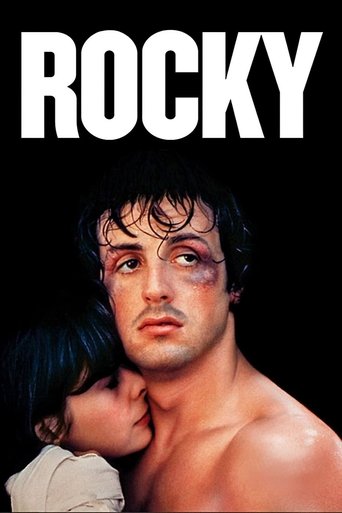
Compare another approach
Rocky (1976)
The famous underdog fight film. Compare its hope and sentiment with The Wrestler's colder, more observational treatment of a fighter.