Horror · Fantasy · Mystery
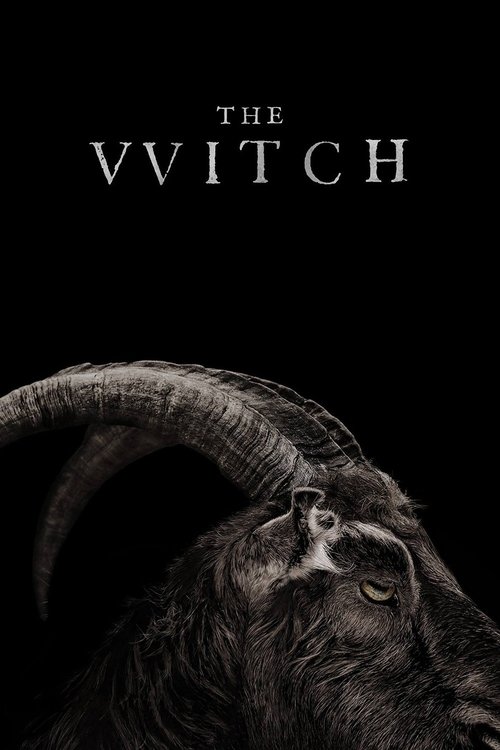
The Witch
American
2016 · Directed by Robert Eggers · 92 min


Horror · Fantasy · Mystery
American
2016 · Directed by Robert Eggers · 92 min
Meaning, unpacked
Central idea
The film can be read as an examination of how fear, faith and patriarchal certainty can trap a family in a story it cannot escape, and of what that story does to the young woman at its centre.
What it means
The title card calls the film A New-England Folktale, and that is the key. This is not a story about whether witches are real. It is about what happens when a family believes they are, and how fear, faith and patriarchal certainty can close around them until they cannot imagine any other story.
Faith gives this family a rich language of sin and judgment but very little comfort, so every misfortune becomes a punishment. William's pride and his secrets weaken the role he claims as protector, and a household built on one man's judgment falls apart when his honesty fails. Thomasin is watched, blamed and used as a household resource. She enters a world that has already decided she is dangerous. The forest is both real terrain and the place where the family puts its guilt and appetite. By the end, Black Phillip's offer presents temptation as the only freedom on offer.
Why it mattered
The Witch was Robert Eggers' first feature, and it pushed period detail further than most horror films dare. The dialogue was drawn from 17th-century diaries, court records and folk accounts of witchcraft. The costumes, tools and farmhouse were made with period methods, so the past looks worn and unfamiliar. The film asks you to enter a worldview, not just a setting.
It also showed how far dread can go without relying on shocks. Jarin Blaschke shot in natural light and candlelight, with cold, desaturated tones and narrow, static frames that let the forest's darkness press in. Mark Korven's score, built from instruments like the nyckelharpa and a hand-built apprehension engine, scrapes and strains with no melody to settle you. The baby's disappearance sets the method: the shock comes from what you don't see.
Before anyone tells you what to think: what did you make of it?
Log in to rate it and leave commentsIt takes one click with Google or an email link. You come straight back here.
Rate it, keep your notes, and find the next film.
Free, no ads. Your journal, your lists, a Cine Guide that remembers you.
Create your free spaceThe film premiered at Sundance in 2015, where Eggers won the directing prize in the US dramatic competition, and A24 released it in 2016. Critics praised its atmosphere, its period rigour, Anya Taylor-Joy and the score, and many called it a major debut. Audiences split: some wanted conventional scares and found it slow, others found it fresh and intelligent. It still did strong business for a small independent release.
Its reputation has only grown. It helped open the door for slow, atmosphere-led horror such as Hereditary and Midsommar, and it made period authenticity a selling point. Eggers carried the method into The Lighthouse, The Northman and Nosferatu. Black Phillip's line, "Wouldst thou like to live deliciously?", became an internet catchphrase, and the film is widely read as a story of female agency. It is also seen as the launch of Anya Taylor-Joy's career.
What happens
Alone after her family's deaths, Thomasin meets Black Phillip, who speaks and offers her a life of pleasure. She signs his book, strips, and walks into the woods, where she joins a coven and rises into the air.
The last image
Thomasin floats upward above the fire and the coven, laughing, as the camera looks up through the trees.
Two readings
What it says
The family's belief that Thomasin was dangerous becomes the one story left to her. The ending shows what a rigid moral order leaves available to a girl it has already condemned, and it keeps exaltation and dread together.
Or follow an idea from this film


Continue the director
The Lighthouse (2019)
Eggers' second feature, in black and white and a near-square frame, pushes his period language and psychological pressure further in a two-man setting.
Follow the idea
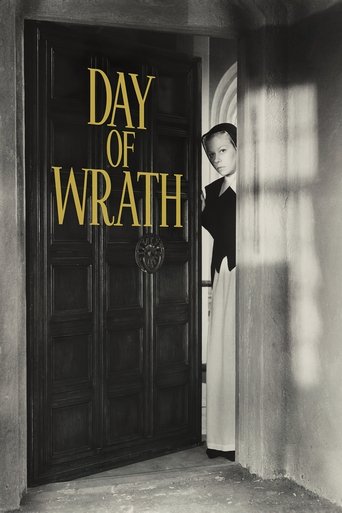
Day of Wrath (1943)
Dreyer's film is an earlier, quieter treatment of witch accusation in a devout 17th-century community and shows the long tradition behind Eggers' approach.
Compare another approach
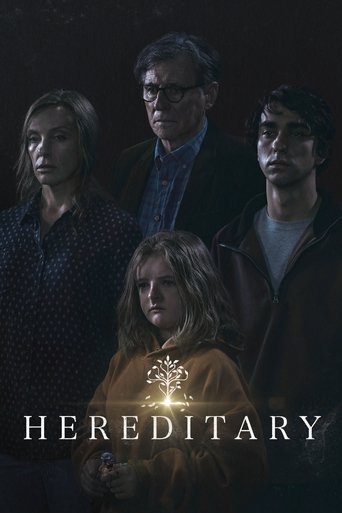
Hereditary (2018)
Another slow, formally controlled family horror film. Comparing the two shows how the same restraint can serve very different ideas about grief and inheritance.
See what influenced it
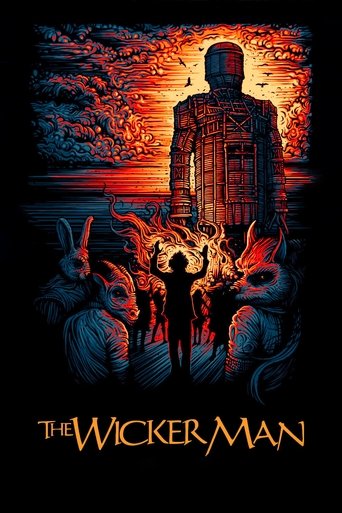
The Wicker Man (1973)
A landmark of folk horror in which belief, landscape and community create dread, a key reference point for The Witch's kind of rural horror.
Explore the era or movement
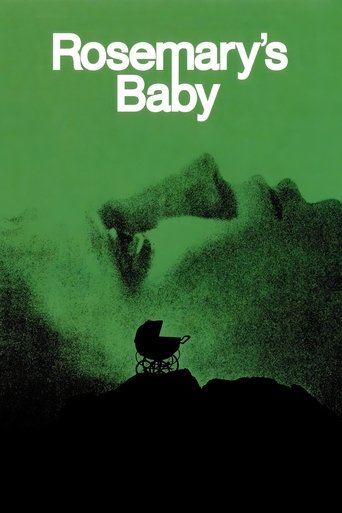
Rosemary's Baby (1968)
An earlier landmark in which domestic realism and ambiguity drive horror, useful for seeing the deeper history of the slow-burn approach.