Horror
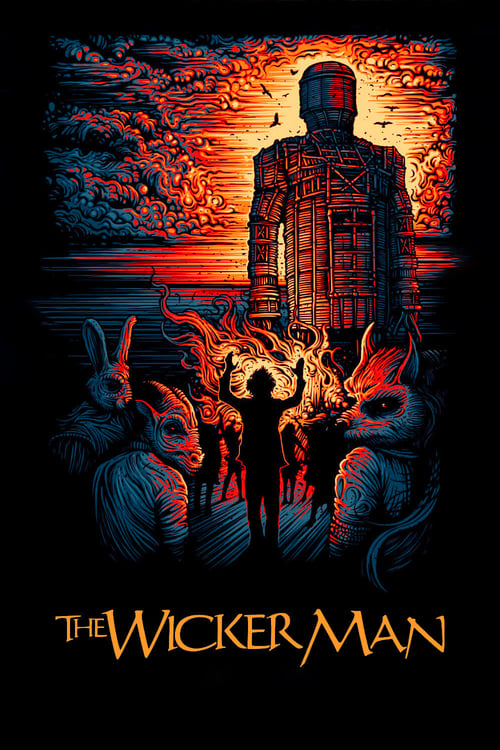
The Wicker Man
British
1973 · Directed by Robin Hardy · 93 min


Horror
British
1973 · Directed by Robin Hardy · 93 min
Meaning, unpacked
Central idea
The film stages a collision between rigid Christian authority and a cheerfully pagan community, and then asks which side is more sure of itself. It can be read as a study of how belief, once absolute, makes a person predictable.
What it means
A devout mainland policeman, Howie, comes to a Scottish island to investigate, and ends up inside the wicker man himself. You may know how it goes. What matters is what the film does with it.
At its heart is a collision between rigid Christian authority and a cheerfully pagan community. But the sharper question is which side is more sure of itself. Howie and the islanders are both absolutely certain, and each looks strange from the other's side. The film suggests that absolute belief makes a person predictable: Howie's certainty is exactly what leads him to the fire. Around that sit smaller themes. His strict chastity meets a culture that treats sex as natural and sacred, and his badge carries very little weight away from the institutions that give it meaning.
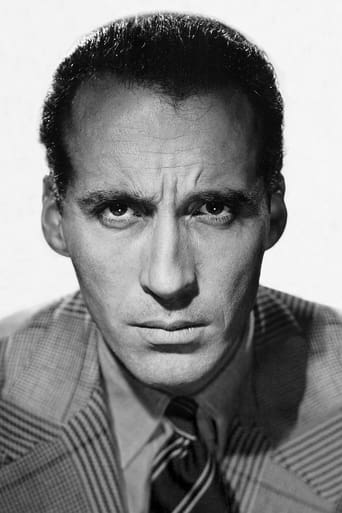
The talk between Howie and Lord Summerisle is the intellectual centre. Christopher Lee lays out the island's religion with calm charm, and that reasonableness is what unsettles you. The island is warm and self-sufficient, yet it rests on a cruel logic. The faith itself is an invention, assembled from folklore and Victorian anthropology, so the film also asks which beliefs are authentic and which are simply chosen.
Why it mattered
On release, it mattered less than it does now. After British Lion was taken over, the film was cut down and sent out with little promotion, often on a double bill. Reaction was mixed. Some critics admired it, but it was treated as a minor, odd British picture and was not a significant commercial success.
What was new was its look and its tone. Harry Waxman shot in open, natural light, among flowers, beaches and orchards, so the usual horror signals vanish and you have to look for what is wrong. Paul Giovanni's songs, drawn from traditional sources and written in the same style, carry exposition, seduction and threat. It frightens you with sunlight, song and polite smiles, which is still an unusual balance. The final procession works because it is joyful, with Howie's psalm colliding with the islanders' folk song.
Before anyone tells you what to think: what did you make of it?
Log in to rate it and leave commentsIt takes one click with Google or an email link. You come straight back here.
Rate it, keep your notes, and find the next film.
Free, no ads. Your journal, your lists, a Cine Guide that remembers you.
Create your free spaceIts reputation grew slowly, through late-night television, home video and fan devotion. Because the original material was incomplete, longer versions were assembled later, including the 2013 Final Cut. Today it is regarded as one of the best British horror films and a cult classic.
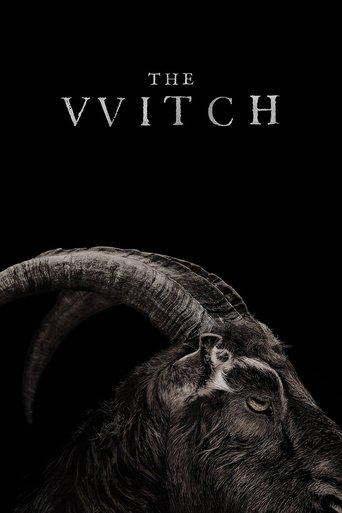
It became the key reference for folk horror and for stories of outsiders in closed communities. Midsommar and The Witch draw on its mix of festival, song and sacrifice. Scotland's Wickerman Festival took its name from the film, Iron Maiden recorded a song called The Wicker Man, and Willow's Song has a following apart from the film. The 2006 Nicolas Cage remake lives on mostly through the "Not the bees!" meme.
The film's last, uneasy gift is this: you may have been smiling along with the islanders just before the end. It is worth asking why.
What happens
Howie finds the missing girl alive, then learns the search was a trap. After a failed harvest, the islanders needed a willing fool, a virgin and a lawman, and lured him here. They burn him in a giant wicker figure.
The last image
As the sun sets, the islanders sing around the burning wicker man while Howie prays and sings psalms inside.
What it says
The ending turns Howie's certainty against him: his faith and his sense of authority made him easy to steer. Both sides are sure they are right. The joyful singing is what makes it chilling, because the horror is calm and communal.
Or follow an idea from this film

See its influence
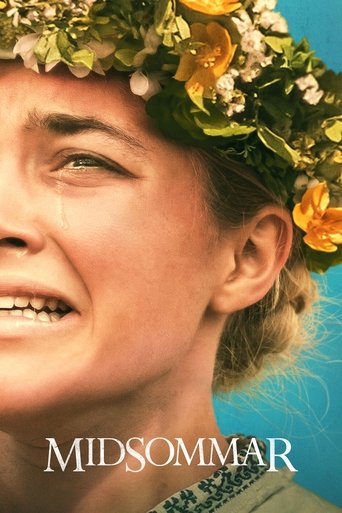
Midsommar (2019)
A modern descendant that borrows the daylight setting, the festival structure and the outsider trapped in a community. It shows how far the template has travelled.
Explore the era or movement
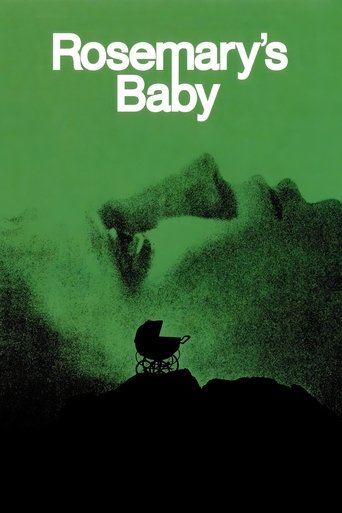
Rosemary's Baby (1968)
Another 1960s and 70s horror film in which a cheerful, courteous community hides a belief system that closes around one person.
Follow the idea
The Witch (2016)
Folk horror about faith, isolation and fear of the unseen, set in a different historical landscape but built on the same tension between belief and dread.
Compare another approach
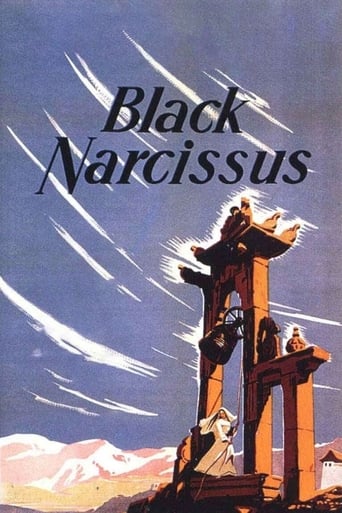
Black Narcissus (1947)
A British film in which rigid religious order meets a remote, sensuous place that unsettles it. It can be read as an earlier, restrained version of the same clash.