Drama · Thriller · Adventure
The Wages of Fear
French (Le Salaire de la peur)
1953 · Directed by Henri-Georges Clouzot · 154 min


Drama · Thriller · Adventure
French (Le Salaire de la peur)
1953 · Directed by Henri-Georges Clouzot · 154 min

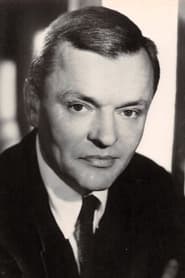
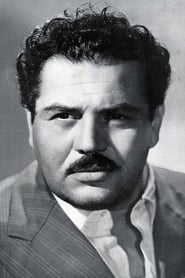


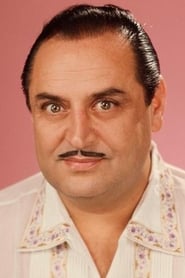
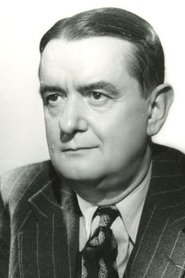
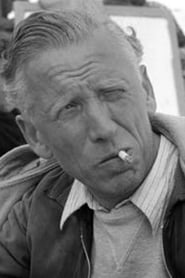
Meaning, unpacked
Central idea
The film can be read as a study of what poverty and statelessness do to people: they will sell their lives cheaply, and the men who profit from that are never anywhere near the danger. Courage and cowardice prove unreliable labels.
What it means
Four stranded men, two trucks, a cargo of nitroglycerin. At its heart, this film is a study of what poverty and statelessness do to people. These men are foreigners with no papers, no money and no way out. The oil company hires them for the lethal job because their deaths cost it little, while the men who profit stay far from the danger. The film is quietly angry about that, which is why it is often read as a parable of postwar capitalism and resource extraction.
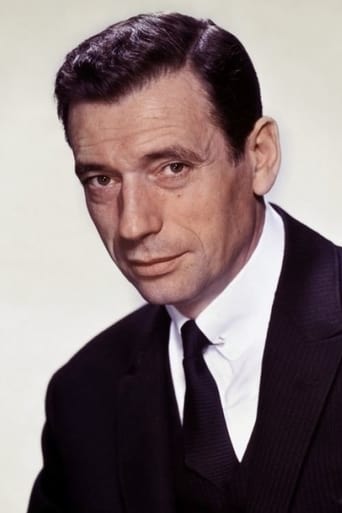
Beneath that, courage and cowardice prove unreliable labels. Jo, played by Charles Vanel, arrives with swagger and a reputation, then comes apart when the pressure is real. Friendship shifts too, as loyalty and contempt rearrange themselves once survival comes first. Then comes a cruel turn: survival earns no moral reward. The title echoes the biblical wages of sin, and perhaps that is the final irony. Here, the wages are not for sin at all, only for being poor enough to say yes.
Why it mattered
In the early 1950s, Clouzot showed that a thriller could be grim, adult and politically edged while still working as relentless entertainment. It won the Grand Prize at Cannes in 1953, then the top honour, with Best Actor for Charles Vanel, and the Golden Bear in Berlin.
Its method was new in its patience. The long, slow first half is not delay; it makes the journey feel earned. Then each stretch of road becomes a clear, physical problem, like the rotting platform, where we understand every mechanical step and so feel every one. Cutting between faces, hands, wheels and terrain, and letting engines, creaking wood and silence carry the tension, Clouzot built suspense from craft, not tricks.
Before anyone tells you what to think: what did you make of it?
Log in to rate it and leave commentsIt takes one click with Google or an email link. You come straight back here.
Rate it, keep your notes, and find the next film.
Free, no ads. Your journal, your lists, a Cine Guide that remembers you.
Create your free spaceThe film set the template for the hazardous-cargo thriller. William Friedkin remade it as Sorcerer in 1977, and its echo runs through later films built on a single, escalating journey, such as Speed and Mad Max: Fury Road. It also strengthened Yves Montand's move from music-hall singer to international screen actor, and it is widely taught as a study in suspense.
Its reputation has only grown. Some critics disliked its bleak view of human nature, and the political edge led to cuts abroad, with the opening trimmed and criticism of the American oil company softened. Now that the full version is widely available, the long first half is seen as essential. Today it stands as one of the great suspense films, and its story of disposable workers is still cited in talk of foreign corporations.
What happens
Mario alone survives the journey and delivers the nitroglycerin, and the oil fire is put out. Elated, he drives home recklessly and plunges off the road to his death. Nothing the men endured buys any lasting reward.
The last image
Mario's truck goes off the road and over the edge, ending the film on the one death no one planned for.
What it says
The ending denies the survivor any reward. The wages were never for courage, only for being poor enough to say yes, and the men who profit are nowhere near the danger. The sudden, cruel turn makes the whole film read as irony.
Or follow an idea from this film
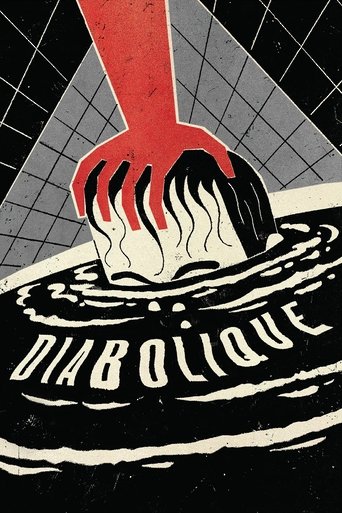

Continue the director
Diabolique (1955)
Clouzot's next great thriller, a very different, claustrophobic study in dread, with a famous reputation for its final twist.
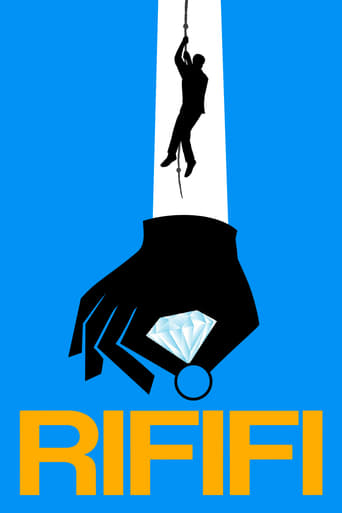
Explore the era or movement
Rififi (1955)
Jules Dassin's French crime film has a long, near-silent heist sequence and the same craft-driven approach to suspense.
See its influence
Sorcerer (1977)
William Friedkin's remake shows how a different era and sensibility reshape the same story of a lethal delivery.
Coming soon
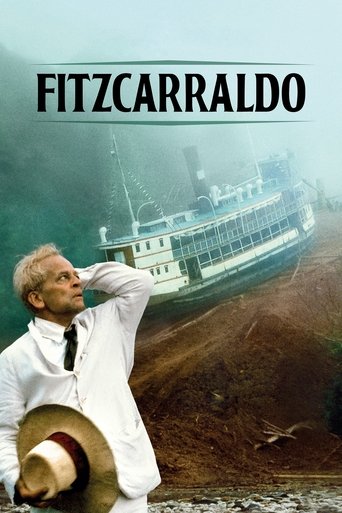
Follow the idea
Fitzcarraldo (1982)
Werner Herzog's jungle epic carries the idea of dangerous labour and machines pushed into nature to an almost mythical extreme.
Jump forward
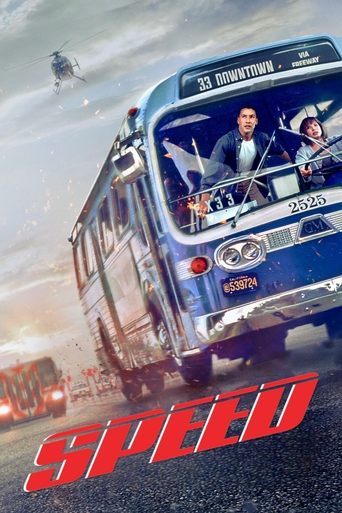
Speed (1994)
A slick Hollywood descendant of the idea that a vehicle can never stop, showing how the template turned into mainstream action.