Drama · History
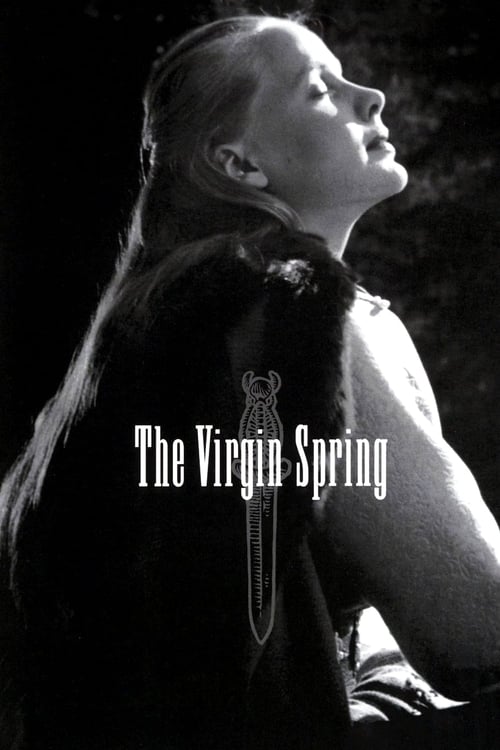
The Virgin Spring
Swedish (Jungfrukällan)
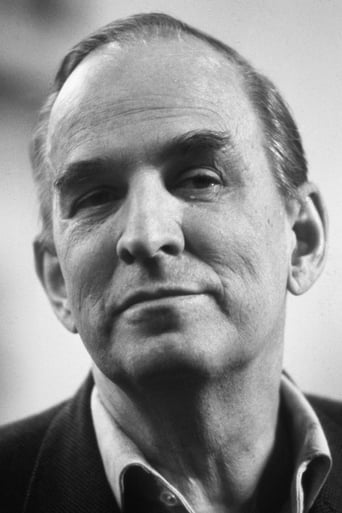
1960 · Directed by Ingmar Bergman · 90 min


Drama · History
Swedish (Jungfrukällan)
1960 · Directed by Ingmar Bergman · 90 min




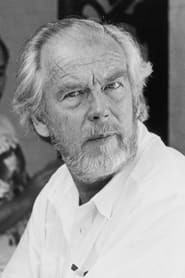


Meaning, unpacked
Central idea
The film puts religious faith under pressure and asks whether belief, justice and vengeance can coexist. It can be read as a study of how a devout, orderly world confronts violence and the silence of God, with the old pagan world still lurking just beneath the surface.
What it means
A sheltered girl is raped and killed in the forest. Her killers then seek shelter at her parents' farm. Her father, Töre, finds out who they are and takes revenge, and afterwards a spring rises where her body lay.
The film's real interest is a question: can belief, justice and vengeance live side by side? Bergman gives you a devout, orderly world that meets violence head on, and meets the silence of God as well. After the killing, Töre cries out and asks how God could allow it. The spring can be read as grace, myth or consolation, and the film does not choose for you. Töre does not rage. He prepares, through slow ritual and hard labour, and the calm is what unsettles. Ingeri, who envies Karin and watches in silence, prays to Odin, and shows that witnesses are never innocent bystanders.
Why it mattered
Three years after The Seventh Seal, Bergman returned to the Middle Ages, but moved from allegory and a knight's quest to a smaller, earthier story of a family. It comes from a medieval Swedish ballad, and Ulla Isaksson's screenplay keeps its outline while adding psychological depth, especially for Ingeri and the mother, Märeta.
It is also a landmark of look and tone. Sven Nykvist shot it with soft natural light, beginning his long partnership with Bergman. The camera keeps a watchful distance and makes you a witness, and the violence feels real, never stylised. It was widely praised and won the Academy Award for Best Foreign Language Film, though some critics found it harsh and censors cut parts of it in places.
Before anyone tells you what to think: what did you make of it?
Log in to rate it and leave commentsIt takes one click with Google or an email link. You come straight back here.
Rate it, keep your notes, and find the next film.
Free, no ads. Your journal, your lists, a Cine Guide that remembers you.
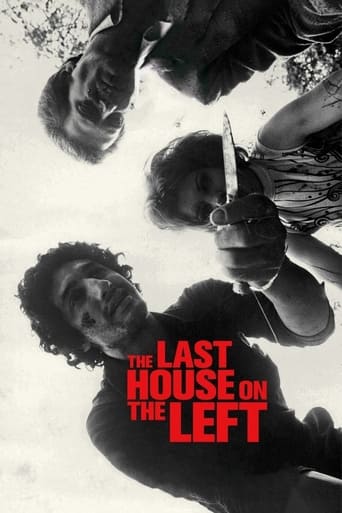
Create your free spaceIts pattern of an atrocity followed by a parent's retribution became the template for the rape-revenge thriller. Wes Craven's 1972 film The Last House on the Left was openly modelled on this story. It was not a straight remake: Craven moved the plot to modern America and made it far more graphic, in an exploitation-horror mode.
Today it stands as one of Bergman's major films of this period, valued for its discipline and moral seriousness. The central ordeal is still hard to watch, and the ending is still argued over. Perhaps that is right. A film that asks God for an answer does well to leave the silence a little unbroken.
What happens
Töre kills the two brothers, and in blind rage the boy too. Ingeri confesses what she saw. Searching the forest, the family finds Karin's body. Töre asks God how He could allow this and vows a church there; a spring wells up beneath her.
The last image
Ingeri washes her face in the new spring as the family looks on.
Three readings
What it says
The film will not tell you whether the spring is God's reply or a comfort. Töre's vengeance, spoiled by the boy's death, gets no clean absolution, and faith, guilt and grief are left to sit together unresolved..
Or follow an idea from this film

Continue the director
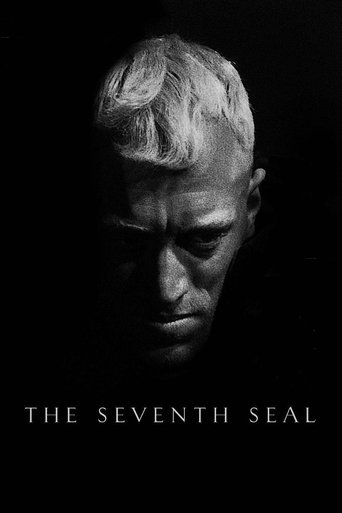
The Seventh Seal (1957)
Bergman's best-known medieval film asks the same questions about faith and God's silence, but through allegory and a knight's journey.
Continue the director
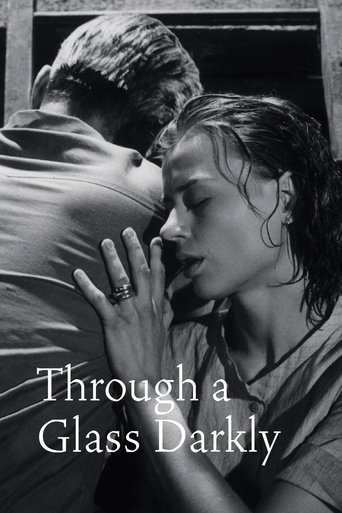
Through a Glass Darkly (1961)
Bergman's next film moves to a modern island setting and continues his "faith trilogy" with a more intimate, psychological approach.
Follow the idea
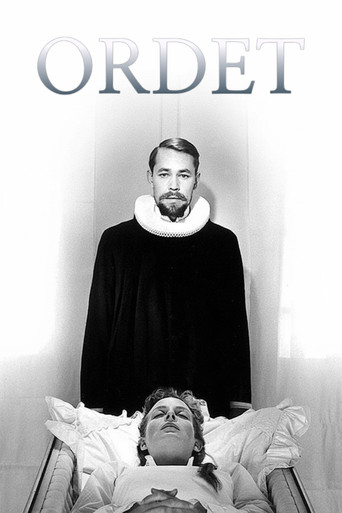
Ordet (1955)
Dreyer's austere drama of rural faith and miracle is a close companion for the film's religious seriousness and formal restraint.
Compare another approach
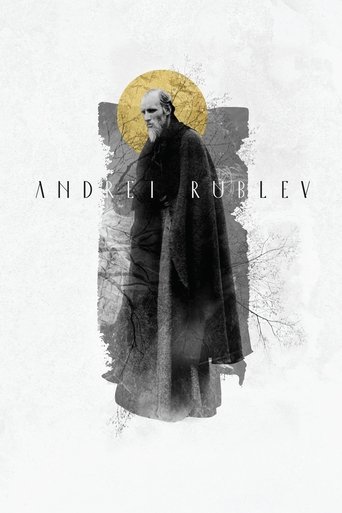
Andrei Rublev (1966)
Tarkovsky's medieval epic also uses violence, faith and landscape to examine the artist and belief, on a far larger canvas.
See its influence
The Last House on the Left (1972)
Wes Craven's horror film, loosely based on Bergman's story, shows how a medieval parable became an influential and controversial genre template.