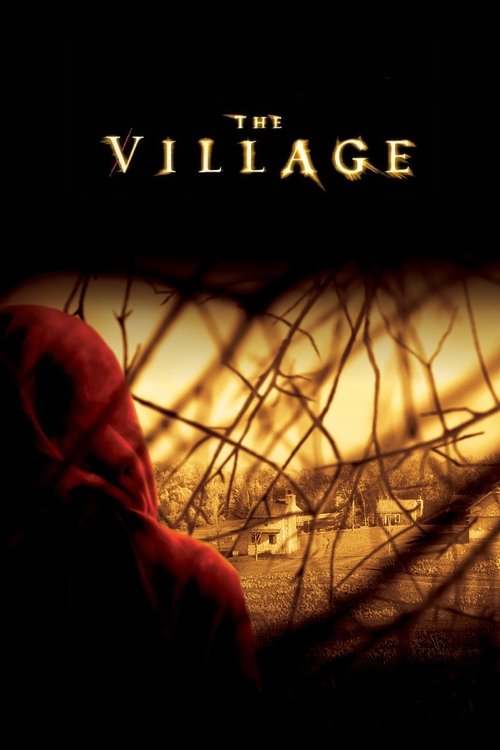
Drama · Mystery · Thriller
The Village
American
2004 · Directed by M. Night Shyamalan · 108 min


Drama · Mystery · Thriller
American
2004 · Directed by M. Night Shyamalan · 108 min




Meaning, unpacked
Central idea
The film explores how grief can turn into a wish to shield the people we love from the world, and what that protection costs. It can be read as a study of fear as the glue that holds a community together, and of innocence preserved at the price of freedom.
What it means
A nineteenth-century village lives in fear of the creatures in the woods. They turn out to be an invention of the elders, and the village sits inside a modern wildlife preserve. Ivy, who is blind, walks through those woods for the man she loves. The film is really about what grief does to love.
The elders founded the village out of loss. Their wish to protect the next generation is real, and so is the control it produces. Protection has a price: innocence is kept, but freedom is spent to keep it. Fear holds everyone together, and the film asks who decides what a community is afraid of. The young are kept ignorant to be safe, yet their curiosity and courage drive the story. And the peace never kept harm out: jealousy brings violence from inside. The elders hid where danger might come from, not that it might come.
Why it mattered
The Village mattered as a mainstream American film that dared to be hushed, formal and patient. It blends period design, chamber drama and suspense, and it came in Shyamalan's early-2000s run of high-profile studio mysteries. Its craft carries the argument: Roger Deakins lit interiors as if only lamps and candles existed and shot the woods in soft grey light, so the bursts of red and yellow mean something.
It also showed how much a film can gain by withholding. The creatures appear only briefly and in partial view, and everything shifts when Edward Walker confesses to Ivy and recasts the elders as flawed, sympathetic protectors. James Newton Howard's violin-led score, played by Hilary Hahn, earned the film its only Oscar nomination, for Best Original Score. It did not win.
Before anyone tells you what to think: what did you make of it?
Log in to rate it and leave commentsIt takes one click with Google or an email link. You come straight back here.
Rate it, keep your notes, and find the next film.
Free, no ads. Your journal, your lists, a Cine Guide that remembers you.
Create your free spaceThe reveal that the village sits inside a modern preserve became shorthand in debates about whether a surprise can be leaned on too heavily. Commentators at the time read the invented monsters as an allegory for leaders who keep people compliant through fear, some linking it to post-9/11 security politics. Scary Movie 4 spoofed it in 2006, and the yellow hooded cloaks and the red robes of Those We Don't Speak Of remain its best-known images. Its sealed community, held together by invented rules and managed fear, helped popularise a strand of later films about isolated societies.
The reception was divided. Critics praised the photography, score and cast, while many attacked the plot's construction. Today its standing has softened and improved. Many see a character-driven drama about grief and control, with Bryce Dallas Howard's precise performance at its heart, though it remains one of Shyamalan's most debated films. Watch it again knowing the secret, and notice how often the elders look afraid, and how rarely cruel.
What happens
Ivy returns with medicine and Lucius survives. Noah is dead, and the elders decide his death can keep the legend alive. The village is still sealed off, still ruled by an invented fear, and still sitting inside a modern wildlife preserve.
The last image
Ivy returns to the village, carrying the secret she learned on her journey and keeping it from the others.
What it says
Protection has a price. The elders keep their children safe by keeping them ignorant, and even Noah's death becomes a tool of that control. Ivy now carries the truth, and the film leaves you wondering what it costs to keep a peaceful lie.
Or follow an idea from this film

Continue the director
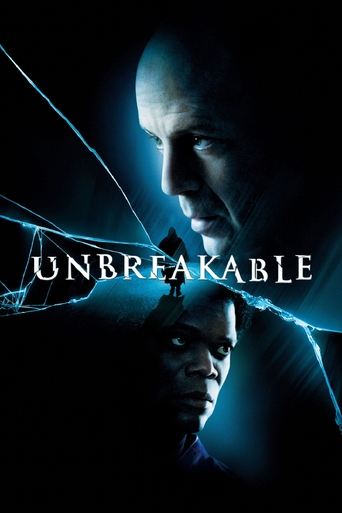
Unbreakable (2000)
Shyamalan's earlier, quieter genre film shows his patient pacing and the way he treats a familiar form with seriousness and restraint.
Follow the idea
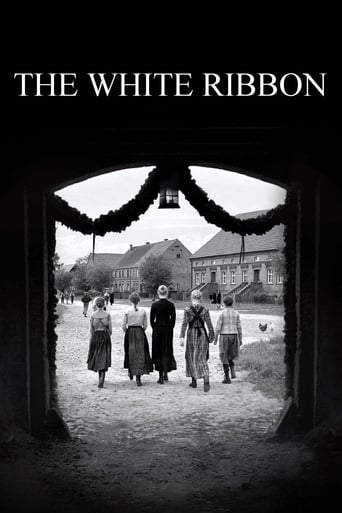
The White Ribbon (2009)
Haneke's black-and-white study of a tightly ordered rural community, where harsh moral codes and unseen menace sit side by side.
Compare another approach
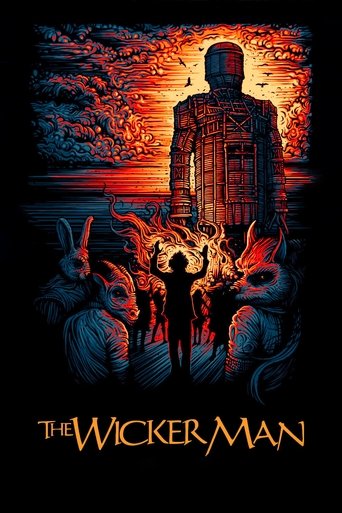
The Wicker Man (1973)
A different treatment of a closed community and its rituals, useful for seeing how each film uses outsiders and belief.

See what influenced it
The Birds (1963)
Hitchcock's film of a community under unexplained threat shows the suspense techniques Shyamalan inherits, including the withholding of explanation.
Jump forward
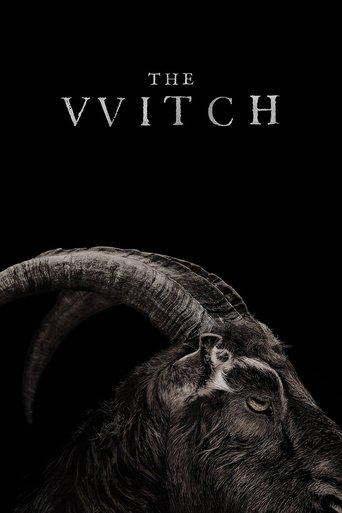
The Witch (2016)
A later period horror drama that uses isolation, archaic language and the dark edge of the woods in a similar spirit.