Drama · History · War
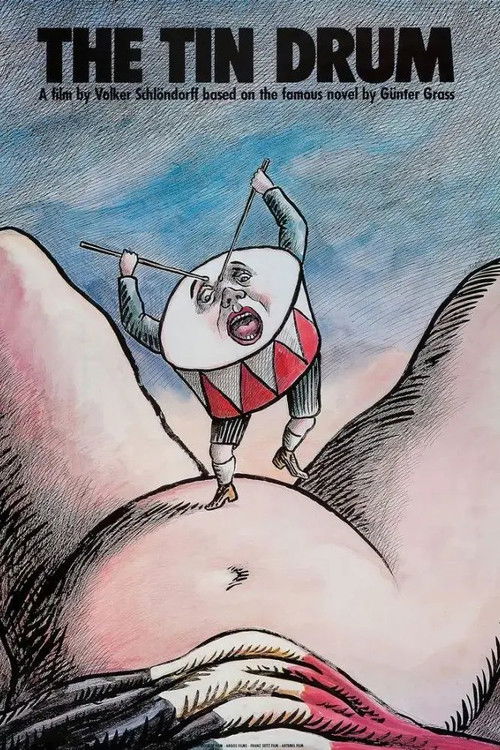
The Tin Drum
German (Die Blechtrommel)
1979 · Directed by Volker Schlöndorff · 162 min


Drama · History · War
German (Die Blechtrommel)
1979 · Directed by Volker Schlöndorff · 162 min








Meaning, unpacked
Central idea
The film can be read as an inquiry into complicity: Oskar refuses adulthood and claims innocence, yet he is surrounded by the compromises, appetites and opportunism that let fascism take root in ordinary life.
What it means
A boy decides at the age of three that he will never grow up, and he beats a tin drum while Danzig slides into Nazi Germany around him. The real question is what Oskar's refusal means. He stays small, stays outside, and screams at the adult world, but the film never settles whether that is rebellion or evasion. Is his withdrawal a way of protecting his innocence, or a way of dodging responsibility?
The film reads as an inquiry into complicity. The Matzerath household does not drift into the Nazi era through fanaticism. It drifts through convenience, conformity and appetite, so fascism arrives as a series of daily choices. Desire runs through the story as comedy, betrayal and manipulation, and private weakness comes first, with public history amplifying it later. Danzig itself, caught between Germans and Poles, echoes Oskar's own uncertain parentage. Oskar stopped growing so he would not have to join the adults. The film asks whether anyone in that story could really stay out of it.
Why it mattered
In 1979 the film arrived with large expectations, because Günter Grass's 1959 novel was widely considered unfilmable, with its dense language and unreliable narration. Volker Schlöndorff and Jean-Claude Carrière kept the episodic form and the first-person voice, letting narration and tall-tale logic hold the unreal events together. Everything depended on David Bennent, then around eleven or twelve, whose hard, fixed stare made a child's body carry an adult mind.
It also showed that West German filmmakers could face the Nazi past through fable and satire rather than solemn reconstruction. The camera often puts you at Oskar's height, so adults tower over you and look ridiculous, and Danzig looks like a storybook. Shooting in Gdańsk, the former Danzig, in the Communist era mattered, since the city's German and Polish past was still politically sensitive. That year it shared the Palme d'Or at Cannes with Apocalypse Now.
Before anyone tells you what to think: what did you make of it?
Log in to rate it and leave commentsIt takes one click with Google or an email link. You come straight back here.
Rate it, keep your notes, and find the next film.
Free, no ads. Your journal, your lists, a Cine Guide that remembers you.
Create your free spaceThe film helped establish the grotesque fable as a way to show historical atrocity through a child's eyes, a mode later seen in films from Europe and beyond. It strengthened the international profile of West German cinema, and for many viewers abroad it became an entry point to German debates about how ordinary people lived through the Nazi era. It is still taught in courses on German history, literature and adaptation, and Oskar, with his drum and glass-shattering scream, became a lasting image of refusal and complicity.
Its reputation is secure but not simple. It won the Academy Award for Best Foreign Language Film, and critics praised its ambition and Bennent's performance, though some found it too episodic. It also became a free-expression flashpoint: in 1997 Oklahoma City police seized copies after a judge ruled a scene obscene, and the copies were returned after civil-liberties groups objected. Today it remains one of the best-known German films about the Nazi era, while its sexual content involving a child character draws more scrutiny and has caused difficulties in some places.
What happens
At his father's burial, Oskar decides to grow again. A stone hits him, he begins to grow, but his body comes out hunched. His family leaves ruined Danzig for the West, and Oskar looks toward an uncertain future.
The last image
Oskar, now hunched, leaves Danzig with his family for the West, his future uncertain.
Two readings
What it says
Oskar stopped growing to avoid joining the adults, yet his father's death is partly his doing. The film suggests no one stays innocent. Growing up here means facing complicity, and it comes late and crooked, not as a clean escape.
Or follow an idea from this film

Explore the era or movement
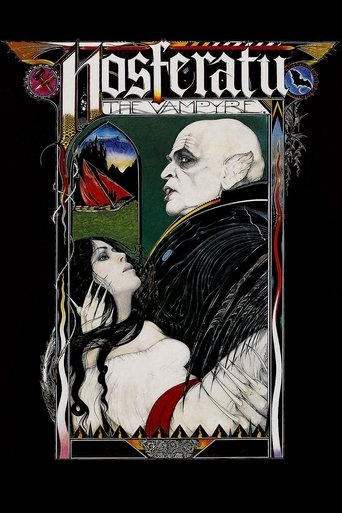
Nosferatu the Vampyre (1979)
Werner Herzog's film from the same year shows another side of New German Cinema: a stylised, literary reworking of German film history.
Follow the idea
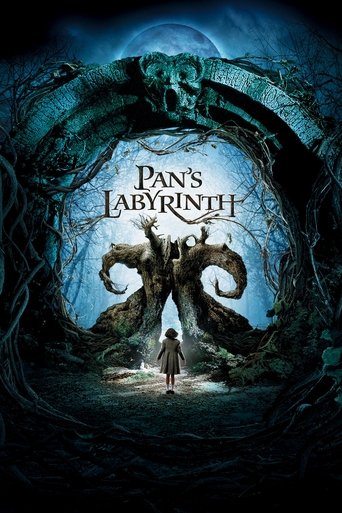
Pan's Labyrinth (2006)
Another story in which a child uses fantasy to confront the violence of fascism, compared with the bitter fable in Oskar's tale.
Compare another approach
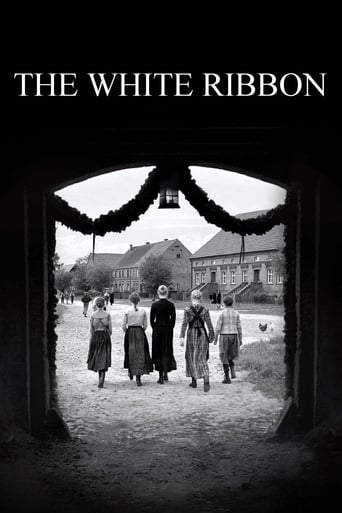
The White Ribbon (2009)
Haneke approaches the roots of German authoritarianism in austere black and white, a useful contrast to Schlöndorff's exuberant grotesque.
See what influenced it
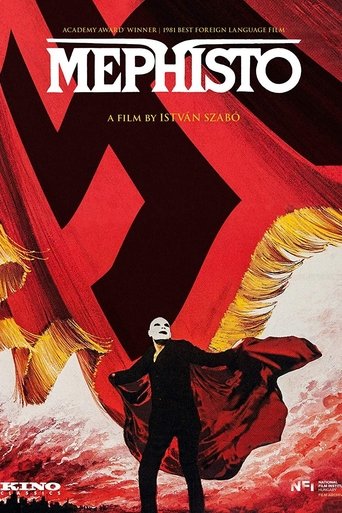
Mephisto (1981)
István Szabó's study of opportunism and complicity under the Nazis, from the same period, shares the film's interest in ordinary compromise.
Jump forward
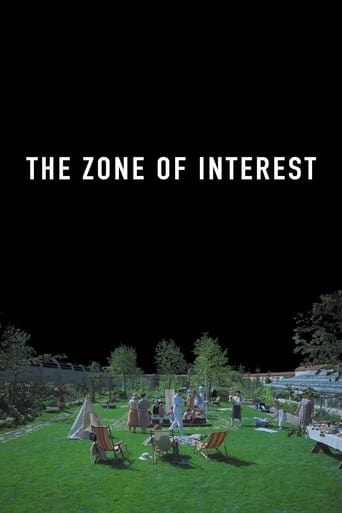
The Zone of Interest (2023)
A modern, restrained way of showing the Nazi era through domestic life, in sharp contrast to the colourful excess of Schlöndorff's film.