Horror · Mystery · Science Fiction
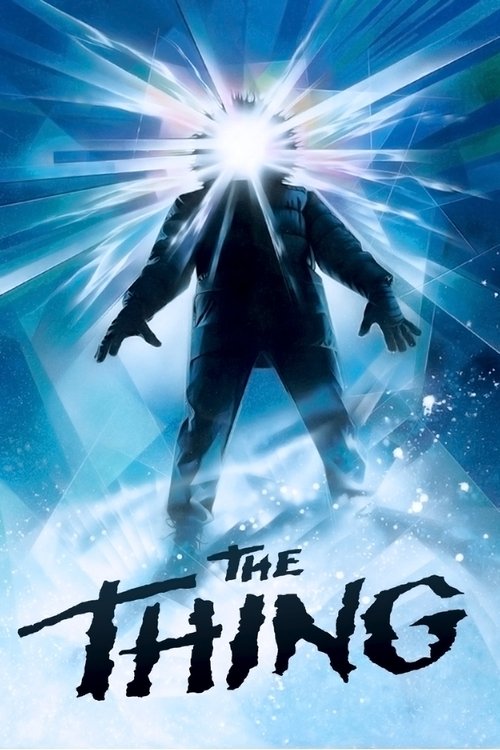
The Thing
American
1982 · Directed by John Carpenter · 109 min


Horror · Mystery · Science Fiction
American
1982 · Directed by John Carpenter · 109 min






Meaning, unpacked
Central idea
The film can be read as an exploration of what happens to a community when identity itself cannot be verified. The monster matters less as a creature than as a force that dissolves trust, leaving people with only fragile, improvised proofs of who they are.
What it means
A research crew in Antarctica is infiltrated by a creature that can imitate any living thing. Nobody can tell who is still human, and by the end two men sit in the snow, each unable to be sure of the other. That image is the heart of John Carpenter's film.
It is less about a monster than about what happens when identity cannot be verified. The creature matters because it dissolves trust, and the men are left with fragile, improvised proofs of who they are. Around that sit other themes: suspicion corroding cooperation among people who need each other to survive, a cold and indifferent landscape with no help and no witnesses, and an all-male crew whose rank, rivalry and bravado fail under strain. Science, technology and leadership are all tested by something that does not follow their rules. The blood test is the purest statement of it: suspicion becomes a procedure, and each man waits his turn.
Why it mattered
When it arrived in June 1982, the film was poorly received. Many critics found it nihilistic and its effects excessive, and it did modest business in America, released alongside hopeful science fiction such as E.T. the Extra-Terrestrial. So its importance was not recognised at first.
But the craft was remarkable. Rob Bottin, still in his early twenties, led the creature effects, building them from latex, foam, gelatin and mechanics. Because the effects were physical, the actors reacted to real objects, which gives the horror weight and unpredictability. Carpenter also used the widescreen frame to place many characters in one shot, so you feel danger in the arrangement of bodies, not only in the cutting. The film is a high point of practical, tactile effects work.
Before anyone tells you what to think: what did you make of it?
Log in to rate it and leave commentsIt takes one click with Google or an email link. You come straight back here.
Rate it, keep your notes, and find the next film.
Free, no ads. Your journal, your lists, a Cine Guide that remembers you.
Create your free spaceIts reputation was rebuilt through home video, cable television and reappraisal. A commercial disappointment became a cult favourite, kept alive by conventions, collectible figures and rewatches that have turned it into a midwinter tradition. Today it is widely considered one of the finest horror and science fiction films of its era, and a high point of Carpenter's career.
Its paranoid, isolated-group premise and physical body horror have shaped many later horror and science fiction films and games, and it is a touchstone for filmmakers who favour practical effects. A prequel followed in 2011. Its influence also shows in Quentin Tarantino's snowbound, suspicion-filled The Hateful Eight, which uses unused Morricone music from this film. And fans are still arguing over the ending, which Carpenter and the cast have kept open.
What happens
The station is burned and the creature seems destroyed. MacReady and Childs, the last survivors, sit freezing in the snow. Each may be human or may be the Thing, and nothing in the film settles it.
The last image
MacReady and Childs sit side by side in the snow beside the burning ruins, wary and waiting, as the screen fades out on them.
Three readings
What it says
Every test the men tried has failed, so the ending leaves them with only each other's word. Carpenter ends on that doubt because the film is about lost trust, and any proof would take its force away.
Or follow an idea from this film

See what influenced it
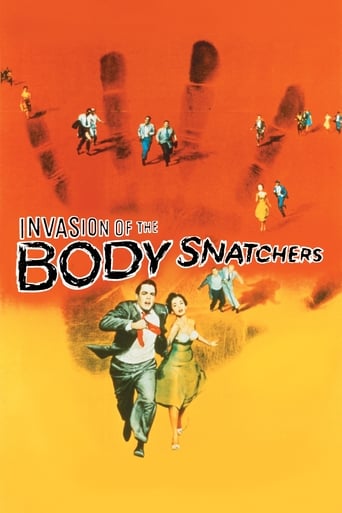
Invasion of the Body Snatchers (1956)
The classic paranoid story of people replaced by copies. It shows the tradition Carpenter inherited and gives a different, 1950s approach to the same fear.
Compare another approach
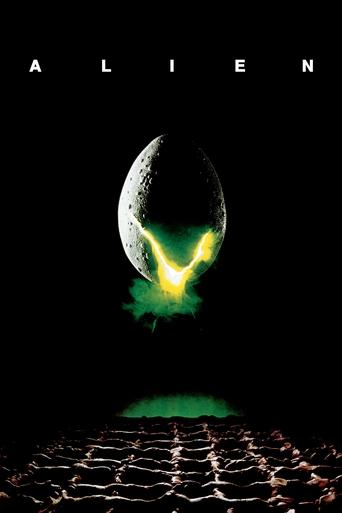
Alien (1979)
Another claustrophobic crew facing a deadly organism, with a very different tone and visual language. It is the natural companion for studying 1970s and 1980s science fiction horror.
Continue the director
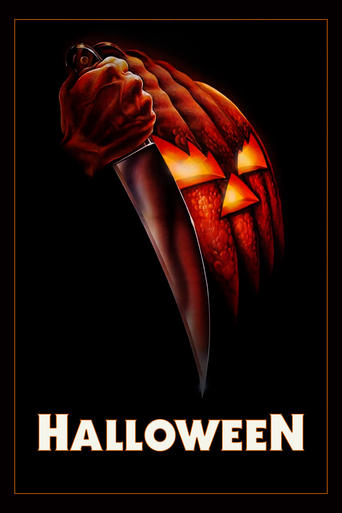
Halloween (1978)
Carpenter's breakthrough shows his minimalist, rhythmic style on a much smaller scale and clarifies what he brought to this larger film.
Follow the idea
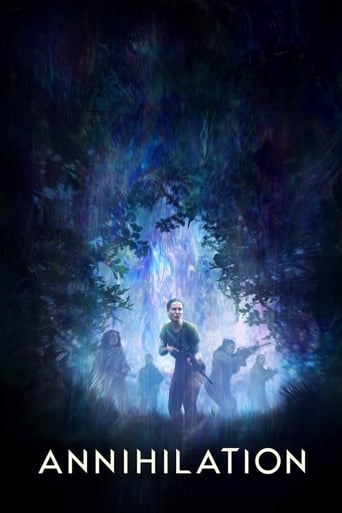
Annihilation (2018)
A modern take on isolation, transformation and unstable identity that makes a useful comparison with Carpenter's approach.