Drama · History · War
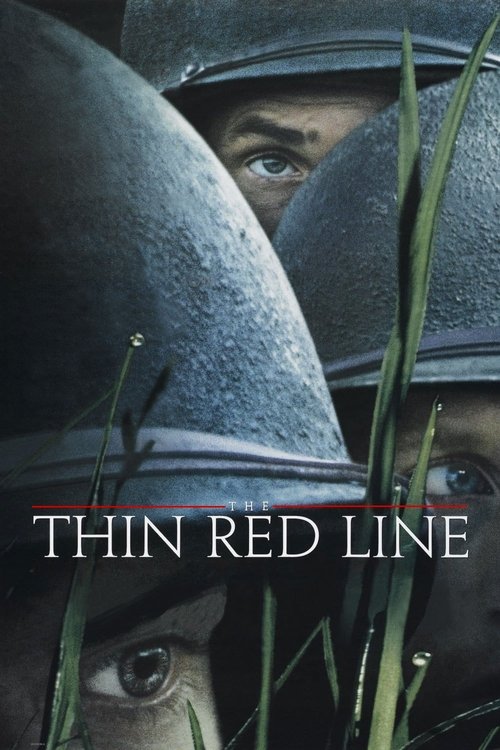
The Thin Red Line
American
1998 · Directed by Terrence Malick · 171 min


Drama · History · War
American
1998 · Directed by Terrence Malick · 171 min












Meaning, unpacked
Central idea
The film asks how a world that seems to contain harmony can also contain war. It can be read as a series of soldiers' private answers to that question, from despair and numbness to faith and tenderness.
What it means
The film opens in the water, before a shot is fired. A crocodile slips below the surface while villagers live in easy calm. Terrence Malick sets his question right there: how can a world that seems so harmonious also contain war? The story is simple. A company lands, fights for a hill, and moves on. But the film is really about what goes on inside the men.
Think of it as a set of private answers. Some soldiers answer with despair, some with numbness, some with faith or tenderness, and nothing settles the matter. Many voices interrupt each other and blur, so each man feels alone even in the middle of a mass assault. The island, beautiful and indifferent, makes you ask whether destruction belongs to nature or only to men. Memories of home, especially of a wife, steady a man against fear and show what the war threatens. The ending has no triumph, and the film leaves you listening, as the men do, for something beneath the noise.
Why it mattered
In 1998, the war film was moving toward realism and tight plot. Malick went the other way. He used many whispered voices instead of one narrator, so thought became part of the action and you could not be sure whose film it was. John Toll's camera used natural light and low angles, and gave grass, canopy and sky the same attention as faces. Hans Zimmer's slow, rising score gave the violence an elegiac cast.
The film also showed how a picture can find its shape in the edit. Malick shot a vast amount, and several editors reworked structure and voice-over, cutting by association from combat to animals or light. It was his first film in twenty years, and it moved the genre toward reflection, ambiguity and poetic form. Even the enemy briefly gets faces and voices, widening the concern from one side's fear to the shared condition of men at war.
Before anyone tells you what to think: what did you make of it?
Log in to rate it and leave commentsIt takes one click with Google or an email link. You come straight back here.
Rate it, keep your notes, and find the next film.
Free, no ads. Your journal, your lists, a Cine Guide that remembers you.
Create your free spaceCritics were divided at first. Many praised its images and ambition, while some found it slow or diffuse, especially beside Saving Private Ryan, released the same year. It was a modest commercial success in the United States and stronger abroad. It won the Golden Bear in Berlin and earned seven Oscar nominations, including Best Picture and Best Director, but no wins.
Its standing has grown steadily. It is now seen as the film that marked Malick's return and a high point of reflective war cinema. Its mix of voice-over, natural light and drifting camera set a model for contemplative war and survival films, and shaped Malick's own later work and many filmmakers' approach to nature imagery. Its fragmentary style now looks less like an oddity and more like a template.
What happens
Witt volunteers to draw enemy fire away from his comrades and is killed. Welsh buries him and wonders what he believed. The surviving men leave the island by ship, still carrying questions about the war that nothing has answered.
The last image
The company sails away from the island in quiet images, as the voices return.
What it says
The ending offers no triumph because survival does not settle meaning. Witt's death and Welsh's doubt leave the film's question open, so you leave listening, as the men do, for something beneath the noise.
Or follow an idea from this film

Continue the director
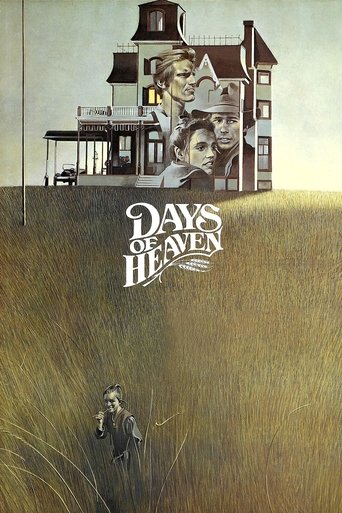
Days of Heaven (1978)
Malick's earlier masterpiece shows the sources of his style: magic-hour light, voice-over and nature as a stage for human drama.

Continue the director
The Tree of Life (2011)
The fullest development of Malick's late style, moving from the family to the cosmos in a nearly wordless, associative structure.
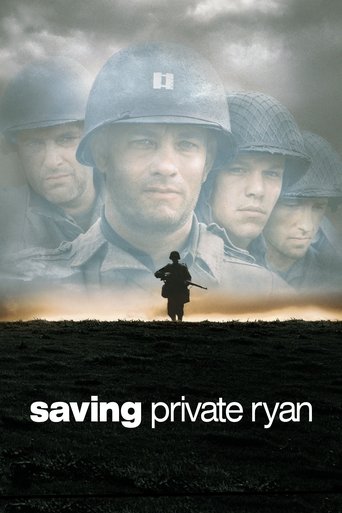
Compare another approach
Saving Private Ryan (1998)
Released the same year, it treats World War II with visceral realism and a clear mission. The contrast shows two opposite ways of making a war film.
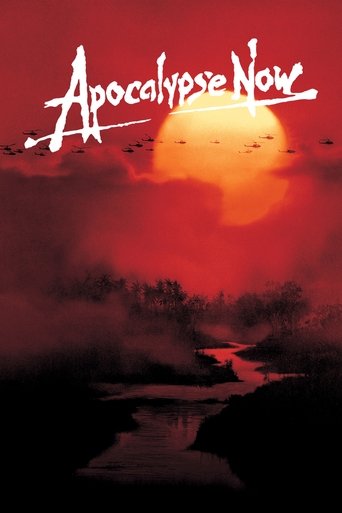
Follow the idea
Apocalypse Now (1979)
Takes the war film into philosophical, hallucinatory territory, with voice-over and a dreamlike jungle.
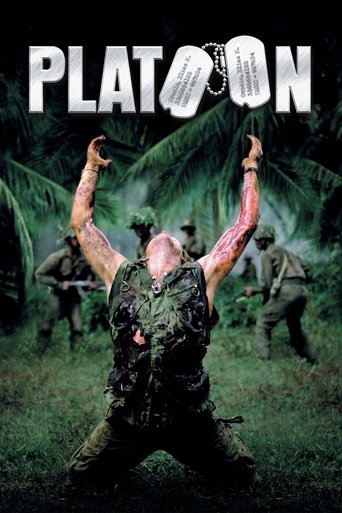
Explore the era or movement
Platoon (1986)
A Vietnam combat film in which voice-over and moral conflict between two sergeants shape the soldier's experience.