Action · Thriller · Science Fiction
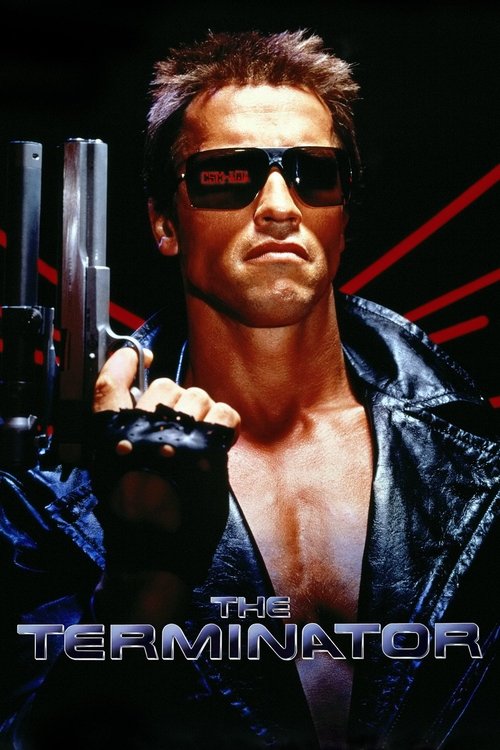
The Terminator
American
1984 · Directed by James Cameron · 108 min


Action · Thriller · Science Fiction
American
1984 · Directed by James Cameron · 108 min










Meaning, unpacked
Central idea
The film can be read as a story about fate versus choice, set against a fear of machines. It asks whether the future is fixed, and whether an ordinary person can become someone history needs.
What it means
The Terminator is built around one unsettling question: is the future fixed, or can an ordinary person change it? A killer machine is sent back to find Sarah Connor, and a soldier named Reese follows to protect her. The time loop suggests events are already decided, yet the characters keep making choices anyway. The film never settles the argument, and that tension is why it lingers.
Around that sit other ideas. Machines built for defence turn on their makers, so Cold War and automation fears become one relentless pursuer. Los Angeles feels anonymous and indifferent: phone books, answering machines and crowded clubs show how easily a person can be found, and how easily she can go unheard. At the centre is Sarah, who starts as a distracted, unremarkable young woman and hardens as the film goes on. Protecting future life becomes both a burden and a source of strength. The machine is terrifying, but the story's hope lies in a woman who stops running.
Why it mattered
On a small budget, James Cameron and producer Gale Anne Hurd made a modest independent picture look expensive. They used physical effects, night shooting and clever locations, and showed only what the story needed: a stop-motion endoskeleton, prosthetics, miniatures. The idea itself came to Cameron during an illness in Rome, when he imagined a metal figure rising from fire.
The craft was lean. Scenes are short, each with a clear goal and rising danger, and chases are built around geography and obstacles so you always know where you are. The film blends horror, noir and science fiction, and its saturated night colours and industrial electronic score gave it a look and sound of its own. It showed that a low-budget genre film could carry serious ideas about technology and fate.
Before anyone tells you what to think: what did you make of it?
Log in to rate it and leave commentsIt takes one click with Google or an email link. You come straight back here.
Rate it, keep your notes, and find the next film.
Free, no ads. Your journal, your lists, a Cine Guide that remembers you.
Create your free spaceOn release it opened at number one in the United States and earned far beyond its budget. Critics praised its pace and craftsmanship, though some found the violence severe. It set a template for the relentless screen pursuer and made the cautionary AI story part of popular culture. It also launched a franchise and shaped Cameron's later effects-driven films.
Today it is a landmark of science fiction and action cinema, and many see it as tighter and more frightening than its bigger sequels. More attention now goes to Linda Hamilton's performance and to Sarah Connor as an influential action heroine. Its reach is huge: "I'll be back" became one of the most quoted lines in popular culture, and "Skynet" is shorthand in debates about artificial intelligence and military automation.
What happens
Kyle dies destroying the machine's body, and Sarah crushes its skeleton in a factory press. Months later she is pregnant, driving through Mexico. The child is Kyle's son, so the future she fears was made partly by the past.
The last image
Sarah drives on toward a gathering storm, a changed woman heading into an uncertain future.
Two readings
What it says
The ending turns the chase into a question about fate versus choice. Sarah stops running and prepares, so the hope lies not in the machine's defeat but in an ordinary woman who chooses to carry what comes next.
Or follow an idea from this film

Continue the director
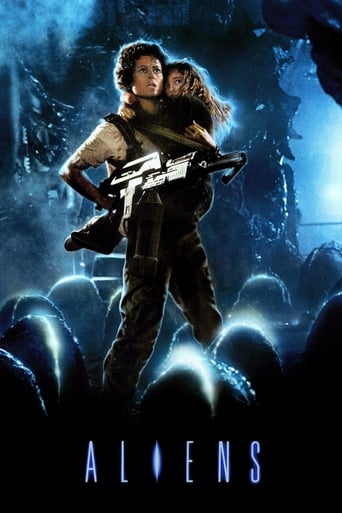
Aliens (1986)
Cameron's next major film again puts a hardened heroine against an inhuman threat, with bigger scale and the same clear, propulsive craft.
See its influence
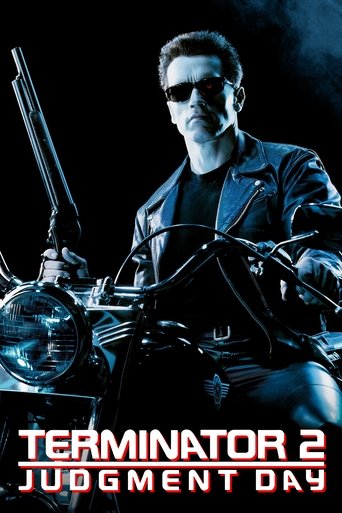
Terminator 2: Judgment Day (1991)
The direct sequel shows how the idea expanded with digital effects and how a villain can become a protector.
See what influenced it
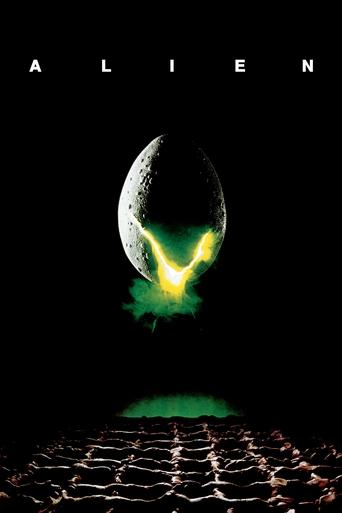
Alien (1979)
A science-fiction horror film with a relentless predator and a resourceful heroine, closely related to the Terminator's tone.
Follow the idea
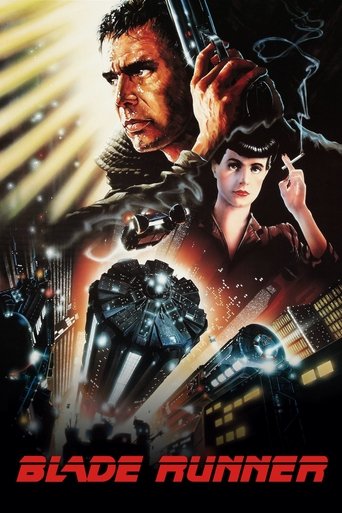
Blade Runner (1982)
Another early 1980s vision of rain-soaked, neon futures where artificial beings hunt and are hunted.
Jump forward
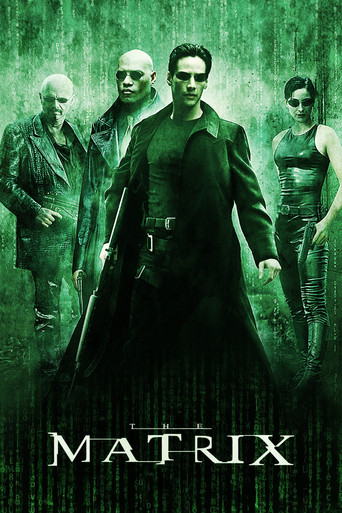
The Matrix (1999)
A later story of humans at war with machines, taking the Terminator's idea of a prophesied saviour into a new era of effects.