Horror · Science Fiction
The Substance
French
2024 · Directed by Coralie Fargeat · 141 min


Horror · Science Fiction
French
2024 · Directed by Coralie Fargeat · 141 min





Meaning, unpacked
Central idea
The film can be read as a study of self-destruction driven by an impossible beauty standard: the greatest cruelty comes not from the industry that discards the heroine but from the way she learns to see and treat herself.
What it means
The Substance follows a television star who is thrown away at fifty. She takes a product that brings forth a younger self, and the two are meant to share one life in strict seven-day balance. The balance breaks. At its heart, the film is about self-destruction driven by an impossible beauty standard. The industry is cruel, but the greater cruelty is in how Elisabeth learns to see and treat herself.
You see it at the restaurant lunch, where Harvey eats repellently while firing her, making the male gaze physical and grotesque. Later, Elisabeth and Sue judge themselves through the eyes of men like him. The mirror scene before the date is sharper still: nobody is in the room, and you watch self-criticism work from the inside. Sue's birth makes the idea literal, self-hatred as division, and the broken rule follows the logic of addiction, where each cheat costs more.
Why it mattered
When it premiered in competition at Cannes in 2024, it won Best Screenplay. That mattered because it showed a gory, openly excessive genre film could compete there, and later in the main Oscar categories. Coralie Fargeat, whose earlier film was Revenge, brought that film's bold visuals and her interest in how women's bodies are looked at to a larger, English-language scale.
The filmmaking makes you feel the argument rather than just follow it. Wide-angle lenses, extreme close-ups and symmetrical, Kubrick-like framing create a sense of surveillance. Exaggerated sound turns unpleasant, and bright pinks, greens and sterile whites make the world look like a showroom. The makeup was largely practical, and it won the Oscar, so the grotesque is performed rather than digitally inserted.
Before anyone tells you what to think: what did you make of it?
Log in to rate it and leave commentsIt takes one click with Google or an email link. You come straight back here.
Rate it, keep your notes, and find the next film.
Free, no ads. Your journal, your lists, a Cine Guide that remembers you.
Create your free spaceThe film strengthened the case for gory, female-directed genre cinema as awards material. It earned five Oscar nominations, including Best Picture, Best Director, Best Actress and Best Original Screenplay. It also became a reference point in debates about ageism and beauty standards, and writers set it beside filters, cosmetic procedures and weight-loss drugs. Its images, like the sparkly aerobics persona and the final Monstro Elisasue, spread as memes and reportedly turned up as Halloween costumes.
Its reputation is that of a bold, flawed, unforgettable provocation. Critics praised Demi Moore and the film's ferocity, while some found the last act excessive or the message too blunt. Audiences were divided and walkouts were reported, yet it became an unusually strong box-office and word-of-mouth hit for body horror. The argument goes on: does the shock deepen the critique, or indulge the images it condemns? Perhaps the film wants you to feel that question, and to notice your own gaze while you watch.
What happens
Sue's body fails, and a second dose creates Elisasue, a monstrous composite sent on stage for the New Year's Eve crowd. They scream, and she is destroyed. Elisabeth crawls to her Hollywood star, dies imagining her glory days, and a cleaner washes her away.
The last image
A cleaner washes the remains off Elisabeth's star on Hollywood Boulevard, leaving the pavement clean.
What it says
The audience cannot love what the beauty standard has made. Elisabeth dies still chasing applause, and the city erases her without a thought. That is the film's point: it was never only Harvey's cruelty, but a hunger for approval that consumed her.
Or follow an idea from this film


See what influenced it
Sunset Boulevard (1950)
The classic story of a fading star trapped by her own image. The Substance turns the same fear into literal physical horror.
Follow the idea
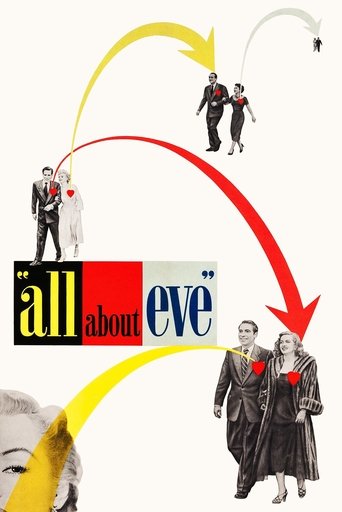
All About Eve (1950)
A sharp study of a woman threatened by a younger replacement in show business, with rivalry and ageing treated through dialogue rather than gore.

Compare another approach
Titane (2021)
Another French, female-directed body-horror provocation that reached Cannes, with a very different take on bodies and transformation.

See what influenced it
The Thing (1982)
A landmark of practical creature effects, showing the tactile, metamorphic horror that The Substance's makeup work continues.
Follow the idea
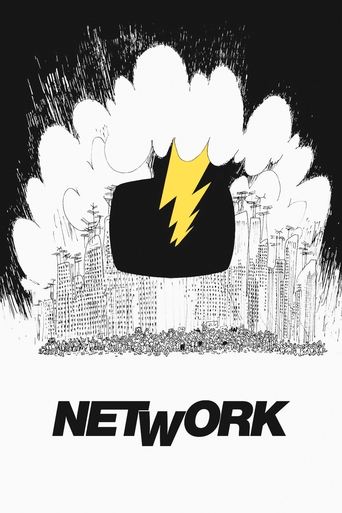
Network (1976)
A satire of television's appetite for spectacle and human exploitation, from the era when broadcast media first became a target.