Horror · Thriller
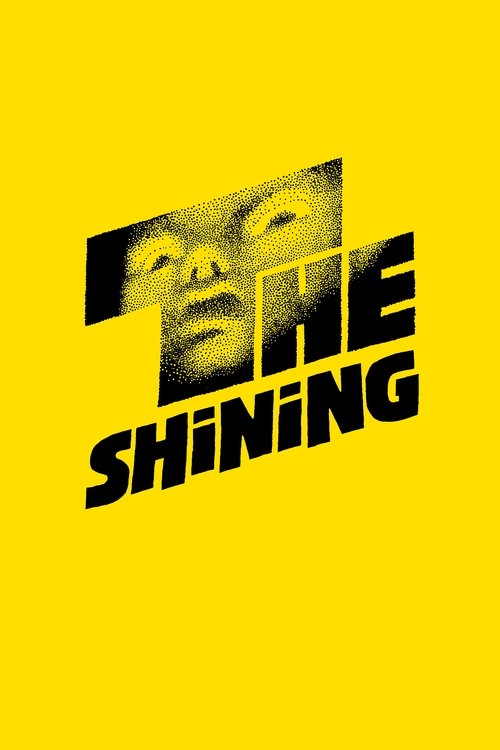
The Shining
American
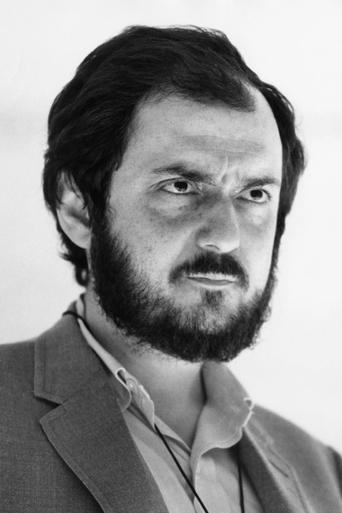
1980 · Directed by Stanley Kubrick · 144 min


Horror · Thriller
American
1980 · Directed by Stanley Kubrick · 144 min




Meaning, unpacked
Central idea
The film can be read as a study of how a place, a family and a man's past can trap each other in a loop. The hotel works as something between a ghost story and a portrait of repeated violence, with Kubrick leaving the explanation open.
What it means
At its heart, The Shining is about a loop. A place, a family and a man's past trap each other, and nobody can step out. The Overlook Hotel sits somewhere between a ghost story and a portrait of repeated violence, and Kubrick never tells you which. That is the point. Photographs, conversations that circle back and doubled figures keep hinting at repetition, and the final photograph reopens time and identity just as the maze lets you go.
Underneath the supernatural frame is a recognisable family drama of resentment, fear and control. Jack's history with alcohol, and his need to prove himself as a provider and a writer, shape how the hotel gets to him. Snow and distance strip away every outside check, so the family is left alone with its tensions. And because Danny sees things, and the hotel's geography keeps shifting, you can never quite separate what is real from what is seen.
Why it mattered
Kubrick took a popular genre and gave it his full formal ambition. He favours symmetry, deep perspective and bold geometric patterns, and he makes the hotel's layout deliberately inconsistent, which unsettles you without ever pointing it out. Silence is used as carefully as noise, alongside electronic work by Wendy Carlos and Rachel Elkind and modern orchestral pieces by Penderecki and Ligeti.
The Steadicam, invented by Garrett Brown, did much of the work. It follows Danny's tricycle at a child's eye level through empty corridors, and the smooth movement feels like deliberate attention, as if the space itself is pursuing you. Suspense builds with nothing threatening in sight. It showed that horror could carry a director's whole style, and that audiences would return to a film for its ambiguity.
Before anyone tells you what to think: what did you make of it?
Log in to rate it and leave commentsIt takes one click with Google or an email link. You come straight back here.
Rate it, keep your notes, and find the next film.
Free, no ads. Your journal, your lists, a Cine Guide that remembers you.
Create your free spaceIts Steadicam tracking, symmetrical framing and slow-burn dread shaped later art-house and mainstream horror. Its images are among the most quoted in popular culture: the axed door, the twin girls and the elevator of blood are endlessly parodied, notably by The Simpsons. A sequel, Doctor Sleep, came in 2019, and Ready Player One revisits the hotel. Fans visit Timberline Lodge in Oregon and the Stanley Hotel in Colorado, which inspired King's novel.
Reviews on release were divided. Some critics called it cold and overlong, others admired its visual force, and it did well at the box office despite winning no major awards. Stephen King disliked it, and his own more faithful miniseries followed in 1997. Over the decades its reputation has grown. It is now ranked among the great horror films and among Kubrick's most analysed works, Shelley Duvall's performance has been reappraised more warmly, and its ambiguity keeps feeding books, documentaries and fan theories.
What happens
Jack freezes to death in the hedge maze after Danny tricks him by retracing his own footprints. Danny and Wendy escape. The film then cuts to a 1921 photograph with Jack in the crowd, suggesting the hotel has claimed him.
The last image
The camera glides toward a framed photograph of a 1921 ball and settles on Jack, smiling in the crowd.
Three readings
What it says
The film is about a loop that trapped a place, a family and a man's past together. Danny breaks it by being clever, not strong. The photograph ends on a question about time and identity, not an answer.
Or follow an idea from this film


Continue the director
Barry Lyndon (1975)
Kubrick's immediate predecessor, a period drama with equally controlled compositions. It shows the same patient, formal style applied to a very different world.
See what influenced it
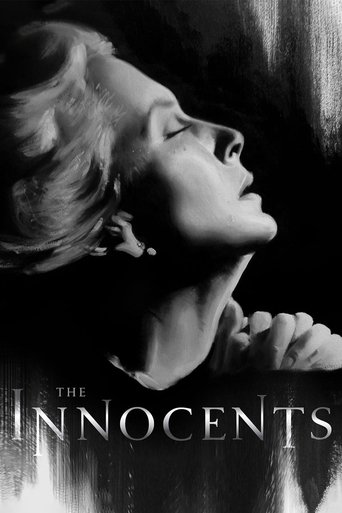
The Innocents (1961)
A refined, ambiguous ghost story that shows the older, suggestive tradition of haunted-house cinema this film both uses and rethinks.
Compare another approach
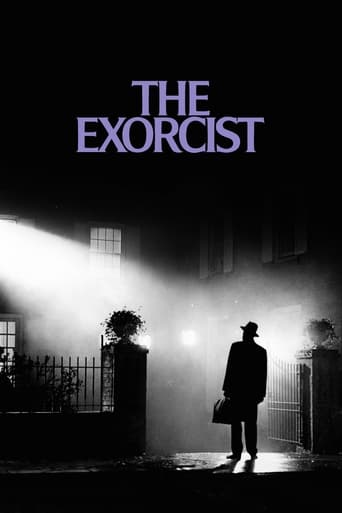
The Exorcist (1973)
Another major studio horror film from the same era, but far more direct and visceral. Seeing both clarifies how differently the genre could be approached.
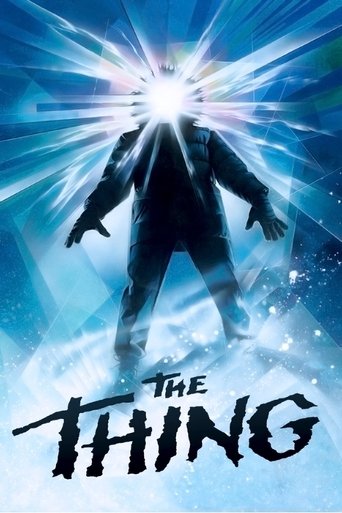
Explore the era or movement
The Thing (1982)
Another isolated, snowbound story of paranoia, made just after this film, with a more physical and effects-driven kind of horror.
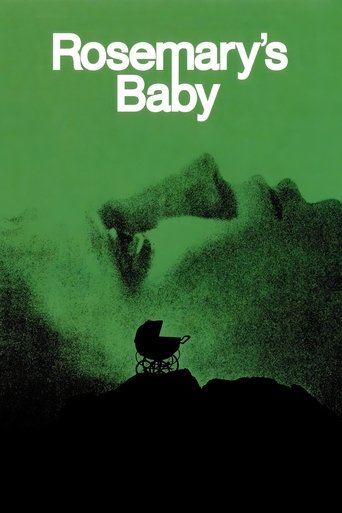
Follow the idea
Rosemary's Baby (1968)
A domestic horror film where menace comes through ordinary spaces and a household's closest relationships, with ambiguity at its core.