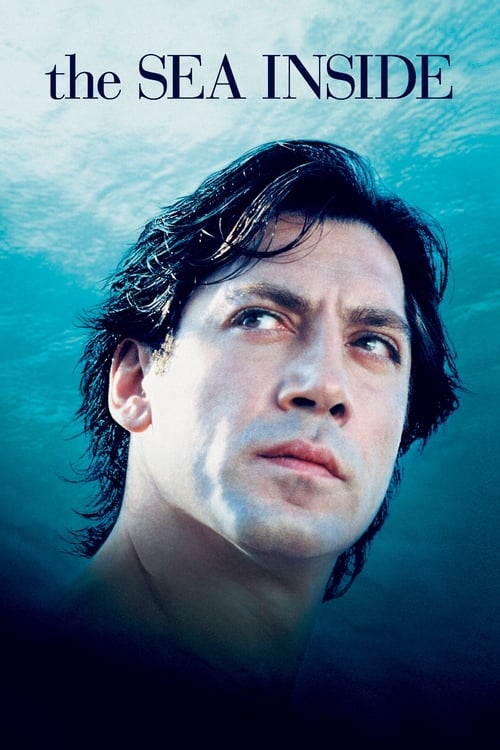
Drama
The Sea Inside
Spanish (Mar adentro)
2004 · Directed by Alejandro Amenábar · 126 min


Drama
Spanish (Mar adentro)
2004 · Directed by Alejandro Amenábar · 126 min









Meaning, unpacked
Central idea
The film can be read as a study of freedom and love in tension: Ramón claims the right to decide the end of his own life, while those who love him treat that wish as something they must either honour or resist.
What it means
Ramón Sampedro lies in a bedroom in Galicia and wants to die, while the people who love him want him to live. The film is built on that standoff, and it never pretends the standoff is simple. At its centre is freedom and love pulling in opposite directions. Ramón does not ask for pity. He asks that his own judgment about his life be treated as final and legitimate.
But the film asks a harder question too: does devotion mean keeping someone alive, or letting them go? His family and friends answer it differently, and none of them is made a villain. The law and the church offer abstract positions, and those look different when they meet one real person. When Julia cannot follow through on a shared promise, love and autonomy visibly come apart. That is the emotional centre of the film.
Why it mattered
Illness films often push you toward tears. Amenábar does the opposite. He stages most scenes plainly in the bedroom, gives the actors room, and avoids manipulative close-ups. The argument scenes are broken by brief fantasies that open the walls, so the seriousness never goes static. The final act is shown with restraint and no melodrama, which keeps the film from becoming propaganda while still letting Ramón's wish stand.
It also showed what a performance can do within near-total limits. Javier Bardem, then known for physically imposing roles, plays Ramón lying down, under heavy prosthetic aging, able to move only his head. He works with voice, timing and humour. The film won the Silver Lion at Venice, a Volpi Cup for Bardem, and the Academy Award for Best Foreign Language Film.
Before anyone tells you what to think: what did you make of it?
Log in to rate it and leave commentsIt takes one click with Google or an email link. You come straight back here.
Rate it, keep your notes, and find the next film.
Free, no ads. Your journal, your lists, a Cine Guide that remembers you.
Create your free spaceThe film brought the real Ramón Sampedro to an international audience, along with his book Cartas desde el infierno. It helped set the template for later serious dramas about the right to die, and it raised Bardem's profile, leading to more demanding leading roles in English-language and European cinema. It is used in bioethics and medical-ethics classrooms, and it is cited alongside Sampedro's real case in debates that later led Spain to legalise euthanasia in 2021.
It also drew fire. Some religious commentators said it sympathised too much with Ramón's choice. Some disability-rights advocates said it presented a life with quadriplegia as not worth living. Today it remains a standard reference for how cinema handles assisted dying. Its power is credited to Bardem and to its balance of sentiment and argument, though some viewers feel it leans toward one side.
What happens
Ramón, with friends each doing one small part so no one can be blamed, drinks poison on camera and explains his wish. Rosa, who came to change his mind, helps him in the end. Julia is later seen, her memory failing.
The last image
The film closes on the sea Ramón has always imagined.
What it says
The ending lets Ramón's wish stand while keeping love and loss in view. It is shown calmly, without melodrama, so you feel what each person gives up. Julia's fading memory shows that life goes on, unresolved, after him.
Or follow an idea from this film


Compare another approach
Million Dollar Baby (2004)
Released the same year, it also centres on a paralysed person's wish to die, but through an American, sports-drama lens that invites comparison.

Explore the era or movement
Talk to Her (2002)
A Spanish drama from the same period that deals with comas, caregiving and intimacy, giving a different emotional tone to similar territory.

Jump forward
Amour (2012)
Haneke's austere view of an elderly couple facing illness is a harder, less consoling companion to this film.
Follow the idea
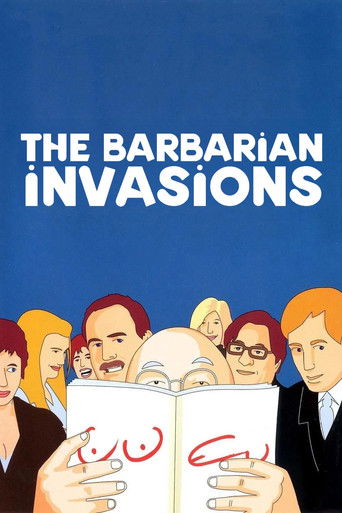
The Barbarian Invasions (2003)
A dying man gathers friends and family around him, with a comic and bittersweet take on the end of life and on assisted dying.